Stripping and Stuffing in Maritime Transport: A Comprehensive Overview of Cargo Loading and Unloading Operations
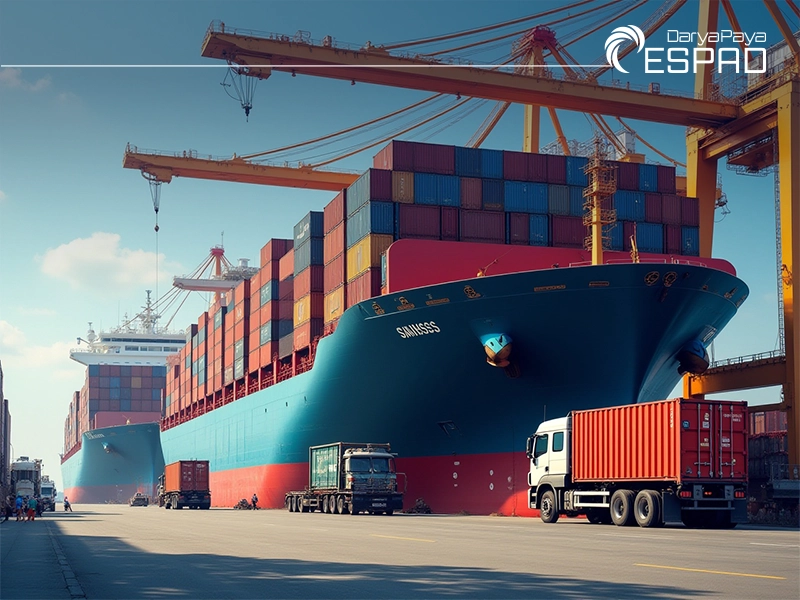
Maritime transport constitutes one of the most fundamental methods of global cargo movement, with substantial volumes of shipments handled on a daily basis. In this context, the manner in which cargo is loaded and discharged is of critical importance. Two key concepts arise in this domain: Stuffing, which refers to the loading of goods into a container, and Stripping, which denotes the unloading of goods from the container.
These two operations in containerized transport are carried out under two primary modalities: FCL (Full Container Load – a container allocated to a single shipper) and LCL (Less than Container Load – consolidated or shared cargo).
What Is Stuffing?
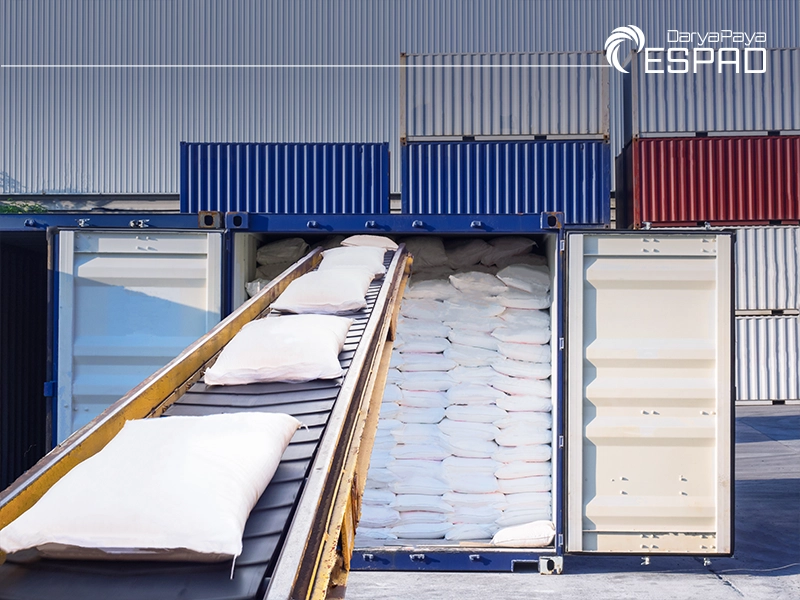
Stuffing refers to the loading of cargo into a container for the purpose of maritime transport. This operation is typically carried out at origin by the exporter or the freight forwarding company and requires strict adherence to considerations such as proper stowage, cargo securing, weight distribution, and documentary compliance.
Depending on the nature of the goods, various equipment and handling methods—such as pallets, lashing straps, and securing mechanisms—are utilized.
Stages of the Stuffing Process
- Container Preparation: Prior to loading, the container must undergo a thorough inspection. Its structural integrity—including the body and flooring—must be verified, and it must be ensured that the container is clean and completely dry.
- Cargo Stowage Planning: Logistics specialists design an optimal stowage configuration based on the nature and weight of the goods in order to prevent cargo shifting during transit.
- Cargo Loading: The goods are placed inside the container in a predetermined sequence and with meticulous care. The use of securing equipment, such as lashing straps and other restraint mechanisms, is strongly recommended.
- Final Inspection and Securing: Following the completion of loading, a final inspection must be conducted to ensure that the cargo is properly secured and stable. Subsequently, the container doors are closed and sealed.
- Documentation: Capturing photographic records of the loading process and issuing the VGM (Verified Gross Mass) in accordance with the SOLAS Convention.
Applications of Stuffing in Maritime Transport
- Optimal Utilization of Container Space
- Protection of Cargo Throughout Transit
- Preparation for Export
- Prevention of Contamination or Theft
- Expediting the Clearance Process at Destination
What Is Stripping?
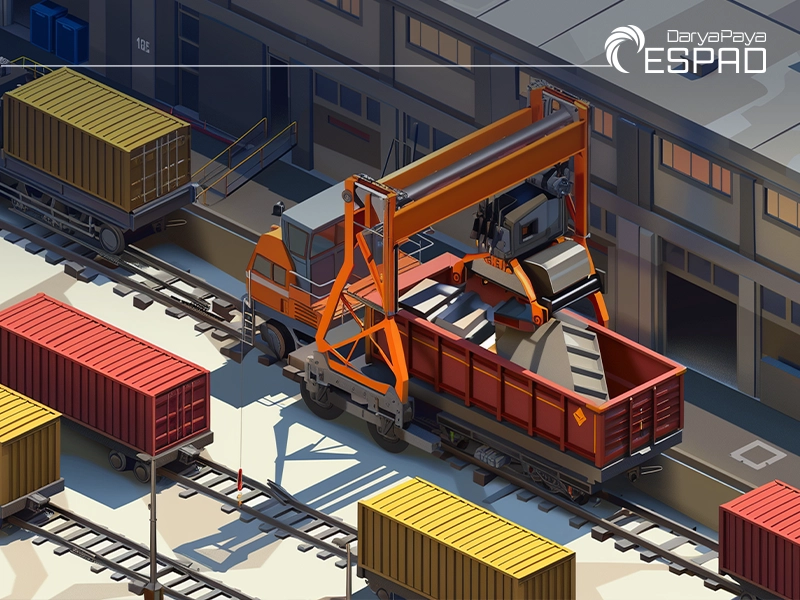
Stripping refers to the process of unloading cargo from a container at the destination. This operation may be carried out at the port of discharge or within a bonded warehouse facility. It is typically performed in LCL shipments or in cases where the consignee lacks adequate unloading infrastructure, in which case the procedure is handled by a public warehouse operator.
Stages of the Cargo Stripping Process
- Preparation of the Unloading Area: Prior to unloading, the designated stripping area must be appropriate and secure. The necessary equipment, such as forklifts and cranes, should be readily available.
- Opening the Container and Inspecting Cargo Condition: After the container is opened, the goods are examined for any damage or alterations in condition.
- Systematic Unloading of Cargo: The goods are carefully and methodically removed from the container. Strict adherence to safety protocols at this stage is of paramount importance.
- Recording and Handover of Cargo: Following discharge, the goods are duly recorded and prepared for delivery or warehousing.
- Reporting: Preparing a comprehensive report of the unloading process and reconciling it with the original stuffing documentation is essential in order to identify any discrepancies and substantiate potential damage claims.
Applications of Stripping in Maritime Transport
- Delivery of Cargo to the Final Consignee
- Customs Control and Inspection
- Distribution of Cargo in Consolidated (LCL) Shipments
- Assessment of Cargo Condition
- Preparation for Warehousing or Domestic Distribution
The Importance of Stripping and Stuffing in Maritime Transport
The Significance of Stripping and Stuffing in Maritime Transport
- Container Space Optimization: One of the primary reasons for emphasizing proper stuffing is the maximization of container space utilization. Improper loading may result in wasted space, increased transportation costs, and a reduction in the volume of goods that can be shipped. Professional stuffing practices contribute significantly to cost efficiency in maritime transport.
- Preservation of Cargo Integrity and Security: During the stuffing process, goods must be stowed in a manner that safeguards them against movement, vibration, and moisture throughout the maritime voyage. Improper stripping, likewise, may result in cargo damage.
- Reduction of Loading and Discharge Time: The precise execution of stripping and stuffing operations contributes to minimizing port handling time, which in turn reduces demurrage and detention costs.
Comparison of Stripping and Stuffing
Delivery Note، Stripping Report
| Feature | Stripping | Stuffing |
| Definition | Unloading cargo from inside the container | Loading cargo into the container |
| Time of Execution | At the destination or point of discharge | At the origin or point of loading |
| Primary Objective | Safe and proper discharge of cargo from the container | Optimization of container space and protection of cargo |
| Requirements | Appropriate unloading equipment and trained personnel | Meticulous stowage planning and safety equipment |
| Significance | Preservation of cargo integrity and preparation for the subsequent stage of transport | Prevention of cargo damage and reduction of transportation costs |
| Challenges | Cargo damage during unloading, operational delays | Suboptimal space utilization, cargo damage during loading |
| Risk of Damage | In the event of improper unloading or inadequate equipment | In the event of incorrect stowage or insufficient sealing |
| Key Documents |
Delivery Note، Stripping Report | Packing List، Stuffing Report، VGM |
Difference Between Cargo Stripping and Stuffing
The distinction between cargo stripping and stuffing in maritime transport lies in factors such as timing, location, responsibility, and the underlying objective of each process. Both stages constitute fundamental components of containerized shipping; however, one pertains to the loading of cargo, while the other relates to its discharge.
Assume an Iranian company exports food products to the United Arab Emirates:
- In Iran (origin): The goods are stuffed into a 40-foot container at the company’s warehouse, using pallets and securing straps, after which the container doors are sealed.
- At Jebel Ali Port (destination): Upon the vessel’s arrival, the container is opened and the cargo is stripped in preparation for customs clearance and domestic distribution.
Important Considerations in Cargo Stuffing and Stripping
- Stuffing: Proper Loading and Secure Sealing
- Stripping: Thorough Inspection During Unloading
In both stages, liability for any damage or discrepancies is contingent upon the applicable Incoterms and the terms of the carriage contract. Comprehensive documentation is essential to substantiate the responsibility of the respective parties.
Proper Loading Practices in Stuffing
A critical aspect of stuffing lies in the proper stowage of cargo within the container and the application of a standard-compliant seal. If the load is not adequately secured, it may sustain damage during transit or result in customs penalties. Furthermore, improper weight distribution can compromise transport safety.
Key Considerations:
- Balanced Weight Distribution
- Use of Pallets, Lashing Straps, or Protective Foam
- Recording the Seal Number and Reconciling It with the Shipping Documentation
Meticulous Stripping Inspection
In stripping operations, the primary focus lies on the safe discharge of cargo and the thorough assessment of its condition. In the event of damage, immediate documentation is essential; otherwise, the right to file a claim against the insurer or the carrier may be forfeited.
Key Considerations:
- Breaking the Seal in the Presence of Customs Authorities
- Verification Against Shipping Documents
- Recording of Damages (If Any)
Why Does Selecting a Specialized Company for Stuffing and Stripping Ensure Your Profitability?
Entrusting these operations to specialized teams can minimize additional costs, rework, and port-related penalties, while simultaneously enhancing overall logistics efficiency.
Stripping and stuffing operations in maritime transport constitute critical and fundamental stages within the cargo logistics chain, exerting a direct impact on quality, cost efficiency, and delivery timelines. The proper execution of these processes requires specialized expertise, meticulous planning, and seamless coordination among operational teams.
By adhering to the technical and safety considerations inherent in stuffing and stripping operations, container space can be optimized, cargo integrity preserved, and ancillary costs—such as delay penalties—substantially reduced. Accordingly, any company seeking to enhance customer satisfaction and improve operational performance must approach these stages with due diligence and strategic importance.
In this regard, collaborating with the specialized team at Espad Darya Paya can provide you with full assurance regarding the proper and professional execution of stripping and stuffing operations.
Espad Darya Paya, supported by an experienced operational team well-versed in international maritime transport standards, provides the following services:
- Specialized Stuffing with Optimized and Secure Stowage Configuration
- Efficient and Precise Stripping Operations at Ports
- Mitigation of Damage Risk and Delay Penalties
- Full Coordination with Port and Customs Procedures
- Specialized Consultation for the Optimization of Maritime Transport
If you are seeking to minimize ancillary costs, accelerate delivery timelines, and safeguard the integrity of your cargo, you may leverage the services of Espad to manage your logistics operations in a professional and streamlined manner.