Understanding the Empty Container Collection, Loading, and Gate-In Process
A Practical Guide for Exporters, Importers, and Logistics Professionals
In containerized shipping, many issues that manifest later as transit delays, additional costs, documentation discrepancies, cargo damage, or missed vessel connections stem from the initial stages of the supply chain. These critical steps include collecting the empty container from the depot, transporting it to the loading site, securing and stowing the cargo, and finally, moving the laden container into the port area or terminal—a process formally known as “Gate-In” in maritime logistics.
For exporters, a thorough understanding of the empty container collection, loading, and Gate-In process is paramount. Any operational breakdown in this chain can lead to missing the vessel’s “Cut-Off” time, incurring detention and demurrage charges, truck idling costs, disputes with foreign buyers, discrepancies in the Bill of Lading, or even the rejection of the container at the port gate. Similarly, importers, trade compliance officers, and customs brokers must be well-versed in these procedures, as many destination-related disputes—such as seal discrepancies, cargo damage, weight variances, and customs clearance delays—often originate at the point of origin.
The Significance of the Process from Empty Container Collection to Gate-In
On the surface, the process of collecting an empty container and loading cargo may appear straightforward: a truck visits the depot, picks up the container, travels to the exporter’s facility, the cargo is loaded, and the container is returned to the port. In reality, however, this process involves a complex series of documentary, operational, customs, logistical, and time-sensitive coordination tasks that require meticulous management.
For the exporter, this stage marks the physical commencement of the international transit. Prior to this, activities such as sales contracts, proforma invoices, Incoterms, and order processing are primarily administrative. From the moment the empty container is received, the cargo enters the operational shipping phase. If the container is defective, the cargo weight is miscalculated, the loading is improper, or the container arrives late at the port, the entire export schedule is jeopardized.
For the importer, awareness of this process is equally vital, as many issues encountered at the destination are rooted in the origin stage. For instance, if the shipper registers an incorrect seal number, the importer faces ambiguity during clearance. If the cargo is improperly stowed, the risk of damage upon arrival increases. Therefore, importers should ensure during purchase negotiations that their suppliers or freight forwarders strictly oversee the loading and Gate-In processes.
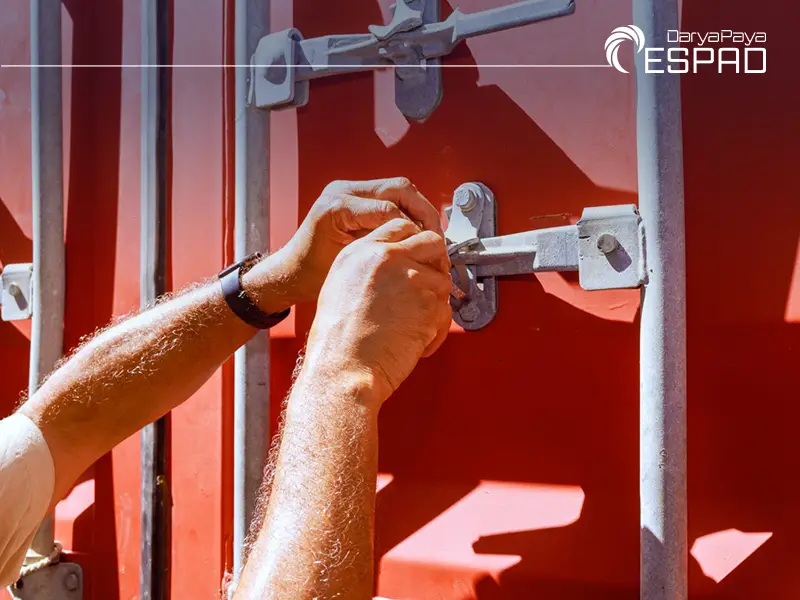
What is an Empty Container and Why is its Collection a Critical Stage?
An empty container is the unit provided by a shipping line, container owner, or freight forwarder for the loading of goods. These containers are usually collected from port container depots, off-dock depots, or specific locations designated by the shipping line. While a container might look like a standard metal box, in international trade, it serves as the foundational unit of intermodal transport, and its condition directly impacts the safety of the cargo.
In the export process, the container is typically released to the exporter or their agent following a “Booking Release.” Depending on the cargo, requirements might range from 20ft, 40ft, 40ft HC, refrigerated (reefer), open-top, flat-rack, or specialized containers. The container type must be determined correctly before booking, as changing it shortly before the loading date is difficult, time-consuming, and costly.
The sensitivity of collecting an empty container stems from the fact that the exporter bears responsibility for its proper use once accepted. If a container is accepted without inspection and is later found to have a damaged floor, a leaking roof, or faulty door gaskets, proving the pre-existing nature of these defects is challenging. Therefore, inspecting the container before it leaves the depot is a critical preventive measure in export operations.
Stage 1: Booking and Container Release Authorization
The process typically begins by securing a booking with a shipping line, its agent, or a freight forwarder. During this phase, core details—including origin and destination ports, cargo type, approximate weight, container type, quantity, expected loading date, and shipping terms—are declared. Upon booking confirmation, a booking number is issued. This reference is used for container collection, weight declaration (VGM), terminal entry, and the issuance of transport documents.
Exporters must ensure that the vessel’s schedule is synchronized with the cargo’s readiness and customs formalities. If the container is collected prematurely, it may sit idle at the facility; if collected too late, there may be insufficient time for loading and Gate-In, both of which incur avoidable costs.
At this stage, the “Cut-Off” time is crucial. The Cut-Off is the deadline by which a container must have successfully gated into the terminal to be accepted for loading onto the designated vessel. Missing this deadline often means the cargo will be rolled to the next scheduled sailing, which, particularly when the foreign buyer requires the goods by a specific date, can have significant commercial consequences.
Stage 2: Visiting the Depot and Collecting the Empty Container
Once the release authorization is issued, the truck arrives at the designated depot. The driver or transport agent must carry all necessary documents, including the booking number, release order, vehicle specifications, and driver details.
At the depot, the container is assigned to the truck. At this point, the exporter or their agent must conduct a thorough physical and technical inspection. A cursory glance is insufficient. The interior and exterior must be checked: doors must open and close properly, the floor must be free of fractures or moisture, the roof must be free of punctures or leaks, and the interior must be free of odors, chemical contamination, residues from previous cargoes, or excessive humidity.
The following table highlights key inspection criteria for empty containers:
| Container Section | Inspection Focus | Operational Importance |
|---|---|---|
| Roof | Punctures, dents, heavy rust | Prevents water ingress |
| Floor | Fractures, rot, contamination | Ensures structural integrity and safe stowage |
| Doors | Proper closure, gasket condition | Prevents water, dust, and tampering |
| Walls | Cracks, impacts, holes, bulges | Prevents packaging damage |
| Interior | Odors, humidity, chemical residues | Ensures suitability for cargo type |
| Seal Area | Lock integrity | Ensures security and documentary validity |
For shipments of food, pharmaceuticals, hygiene products, or sensitive items, cleanliness and suitability are paramount. Terms such as “Food Grade” or “Clean Container” may be stipulated in shipping correspondence. Exporters must be aware that a clean container is not necessarily suitable for all sensitive goods, and the history of the previous cargo is equally important.
Stage 3: Transporting the Empty Container to the Loading Site
After collection, the container is transported to the loading location—be it a factory, warehouse, cold storage, or special economic zone. This stage requires tight coordination between the depot, the driver, production units, warehouses, customs, and freight forwarders.
A common operational challenge is the lack of synchronization between truck arrival and cargo readiness. If the container reaches the facility before the goods are packaged or export permits are cleared, the truck and container remain idle, leading to demurrage and detention charges. Conversely, if the goods are ready but the truck is delayed, the loading window may be missed.
To mitigate this, loading schedules should be finalized at least one day in advance. The commercial department must coordinate with production, QC, customs, the internal transport company, and the freight forwarder. If the cargo requires inspections, sampling, certificates of origin, health certificates, or phytosanitary documents, these must be finalized before the container arrives.
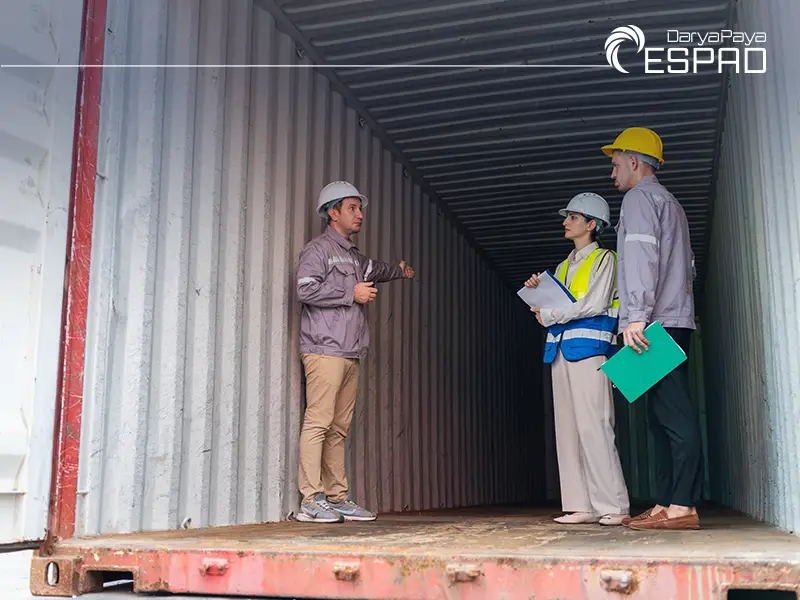
Stage 4: Preparing the Cargo for Loading
Before cargo is loaded into the container, it must be verified for packaging, labeling, weight, quantity, stowage patterns, and documentation. In export, packaging is not merely aesthetic; it is a vital component of transit safety, seller credibility, and compliance with destination regulations. Cargo loaded with inadequate packaging may arrive damaged, even when transported by a reputable shipping line.
Packaging must be tailored to the cargo type. For cartons, the strength and pallet quality are critical. For bagged goods, the bag type and stacking method are essential to prevent tearing. For machinery, blocking and bracing are mandatory to prevent shifting. For products sensitive to moisture—such as dried fruits, food items, or agricultural produce—the use of desiccants, proper ventilation, and hygiene standards is mandatory.
At this stage, the commercial department must ensure that cargo specifications align with trade documents. The number of packages, net weight, gross weight, cargo description, purchase order number, buyer name, and destination must be consistent across the invoice, packing list, declaration, and transport instructions. Most documentary discrepancies at the destination originate here.
Stage 5: Loading the Cargo into the Container
Loading is perhaps the most critical operational stage. Cargo must be stowed to maximize container space utilization while ensuring stability during transit. Throughout the journey, the container will be handled by trucks, cranes, and vessels; it will be subjected to vibrations, tilting, braking, and sea swells. Consequently, internal stowage must be resistant to these forces.
The cardinal rule of loading is even weight distribution. Weight should not be concentrated in one section of the container, as this can damage the floor, destabilize road transport, or cause operational issues at the port. For heavy cargo, suitable pallets, dunnage, chains, and strapping are essential. For voluminous but light cargo, blocking and bracing are necessary to prevent shifting.
Examples of loading considerations:
| Cargo Type | Risk Control Method | Key Consideration |
|---|---|---|
| Cartons | Neat stacking, palletized | Avoid excessive pressure on bottom layers |
| Bagged Goods | Row stacking, tear prevention | Avoid direct contact with damp floors |
| Machinery | Strapping, chains, wedges | Document bracing with photos before sealing |
| Dry Food | Clean, dry, odor-free container | Use desiccants for long transits |
| Heavy Goods | Distributed weight, Payload limits | Check road and port weight restrictions |
| Hazardous Goods | IMDG compliance, labeling | Secure shipping line approval before loading |
Many damage claims reveal that while the container was sound from the outside, the internal stowing was deficient. An exporter must not assume that closing the container door ends their responsibility; the quality of the loading is a professional duty of the seller.
Stage 6: Weight Control, VGM, and Legal Limitations
Post-loading, the container weight must be accurately verified. In maritime shipping, the declaration of the Verified Gross Mass (VGM) is mandatory. VGM includes the weight of the cargo, packaging, pallets, securing materials, and the container’s tare weight. Without a declared VGM, the shipping line will not authorize the container to be loaded onto the vessel.
For exporters, weight management is critical for three reasons: first, the container must not exceed its maximum payload; second, the container must adhere to internal road transport limitations; third, the weight declared in documents must match the actual weight. Discrepancies can lead to fines, truck impoundment, gate rejection, or problems at the destination.
In practice, weighing the container on a certified weighbridge after loading is recommended. The commercial department or customs broker should cross-verify this weight with the booking details, packing list, customs declaration, and shipping instructions.
Stage 7: Container Sealing and Seal Number Registration
Once loading and final inspections are complete, the container door is closed and sealed. The seal is a vital security control. The seal number must be accurately recorded in all shipping documents, including the Bill of Lading, packing list, and customs paperwork. Any discrepancy in the seal number can cause significant delays in clearance for the importer.
It is best practice to take photographs of the container’s interior and final stowage before affixing the seal. This serves as operational evidence in the event of damage, shortage, or disputes. The seal number must be verified by the loading supervisor, the driver, and the commercial representative. An error in a single digit of the seal number can halt customs clearance at the destination.
For specific commodities—such as hazardous goods, food, or high-value items—the type of seal and the authority responsible for affixing it may be strictly regulated by customs or the shipping line.
Stage 8: Customs Formalities Before Gate-In
Exported goods must be coordinated with relevant customs procedures. Depending on the cargo and export regime, goods may be declared at the factory, a private warehouse, internal customs, a special economic zone, or the port. The customs broker plays a key role here, ensuring that export documents, permits, customs registration (Kottage), valuation, sealing, and exit permits are synchronized with the vessel schedule.
For customs officials and brokers, precision in the linkage between the declaration, container details, seal number, weight, package count, and export permits is vital. If a container arrives at the port gate but its information is incomplete in the relevant systems, it will likely be rejected. Conversely, if a container enters the port before formalities are complete, it may incur storage or port-stay charges.
In professional export operations, customs and logistics should not be managed in silos. The commercial department must track the vessel’s Cut-Off, the broker must track the Gate-In time, the driver must carry the necessary documentation, and the freight forwarder must communicate shipping data to the terminal on time.
What is Gate-In and What Happens at the Port?
“Gate-In” signifies the official entry of the container into the terminal’s operational area. Upon arrival at the port gate, information regarding the container, booking number, seal number, weight, vehicle and driver details, customs permits, and acceptance status are verified within the terminal system.
If the information is accurate, the container is cleared for entry and discharged within the terminal area. From this point, the container enters the port’s operational cycle and is scheduled for loading onto the vessel. Any further tracking is typically handled via the shipping line, terminal, and freight forwarder systems.
However, if discrepancies exist, the container may be held at the gate. Common causes include issues with weight, container/seal numbers, missing VGM, incomplete customs formalities, missed Cut-Off times, booking errors, or system information mismatches. Being held at the gate not only incurs costs but also creates the risk of missing the intended vessel.
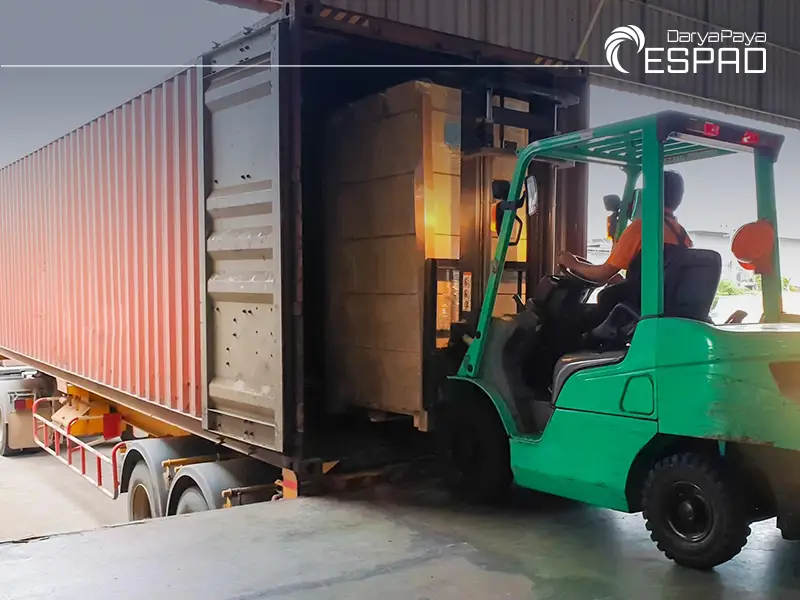
Required Documentation for Gate-In
While requirements vary by port, cargo type, and shipping line, the following documents are typically essential:
| Document/Information | Purpose at Gate-In | Responsible Party |
|---|---|---|
| Booking Number | Verifies container against shipping reservation | Freight Forwarder/Line |
| Container Number | Identifies the transport unit | Driver, Exporter, Broker |
| Seal Number | Ensures security and documentary consistency | Exporter or Customs |
| VGM | Authorization for vessel loading | Exporter/Agent |
| Export Permit | Confirms customs compliance | Customs Broker |
| Driver/Truck Details | Registers entry to the port | Inland Transport Co. |
| Terminal Entry Permit | Operational acceptance of the container | Terminal/Line/Agent |
To prevent delays, this information should be cross-verified by the commercial or brokerage department before the truck departs for the port. Often, port operational issues are actually caused by incomplete or late transmission of information.
Differing Perspectives: Exporter vs. Importer
The exporter views this process through the lens of cargo preparation, handover to the carrier, and successful exit from the country. Their priority is a timely Gate-In, successful loading, and the issuance of a clean Bill of Lading. The importer, however, sees the result of these operations at the destination. If the seal is tampered with, goods are damaged, weights are inconsistent, or the container arrives late, the importer bears the consequences.
Importers must require their suppliers to document the loading process. Requesting photos of the empty container, cargo stowage, the seal, and weight verification can mitigate many downstream disputes. This guide is therefore not only for exporters but also for importers seeking better control over their foreign suppliers.
Common Pitfalls in Container Delivery, Loading, and Gate-In
In routine shipping operations, certain errors recur frequently: accepting containers without inspection, recording incorrect container or seal numbers, delays in cargo preparation, exceeding weight limits, failure to declare VGM on time, ignoring Cut-Off times, poor stowing, and incomplete customs documentation.
The critical insight is that most of these errors are preventable. Export companies should implement a clear internal process, assigning specific responsibilities to designated units. Professional firms utilize a checklist for loading operations, ensuring no container departs for the port without a final verification.
A practical checklist includes:
- Inspecting the empty container before depot departure.
- Matching container type with cargo and booking requirements.
- Ensuring cargo, packaging, and documents are ready before the truck arrives.
- Documenting the container’s status with photos before and after loading.
- Verifying final weight and declaring VGM.
- Accurately recording the seal number in all documents.
- Monitoring the Cut-Off time and scheduling transport appropriately.
- Coordinating final checks between the broker, driver, forwarder, and commercial unit.
The Role of Broker, Forwarder, and Commercial Unit
In successful exports, no single player can manage the entire process alone. The commercial department holds data on the contract, buyer, destination, documents, and scheduling. The freight forwarder manages the vessel schedule, booking, container flow, and communication with the line. The broker handles customs formalities, permits, and declarations. The inland transport company is responsible for the physical movement.
Problems arise when these units operate in silos—for instance, if the forwarder declares a Cut-Off but production is delayed, or the broker has not cleared the export while the truck arrives at the port gate. Precise, documented communication among these stakeholders is the fundamental condition for risk reduction.
Hidden Costs of Poor Process Management
Failure to properly manage the process from empty container collection to Gate-In generates various costs. Some are direct and visible, such as truck idling fees, overweight penalties, document amendment fees, or the cost of rolling cargo to the next voyage. Others are indirect: buyer dissatisfaction, loss of seller credibility, payment delays, disputes with banks regarding documentary credits, or a loss of trust from the shipping line.
In international trade, a simple delay can create a domino effect. If a container misses a vessel, the Bill of Lading date changes. If the BL date changes, it may conflict with the terms of a Letter of Credit (L/C) or sales contract. If a discrepancy arises, the buyer or the bank may delay payment. Therefore, managing the Gate-In timing is not just a logistics issue; it is directly linked to the financial flow of the transaction.
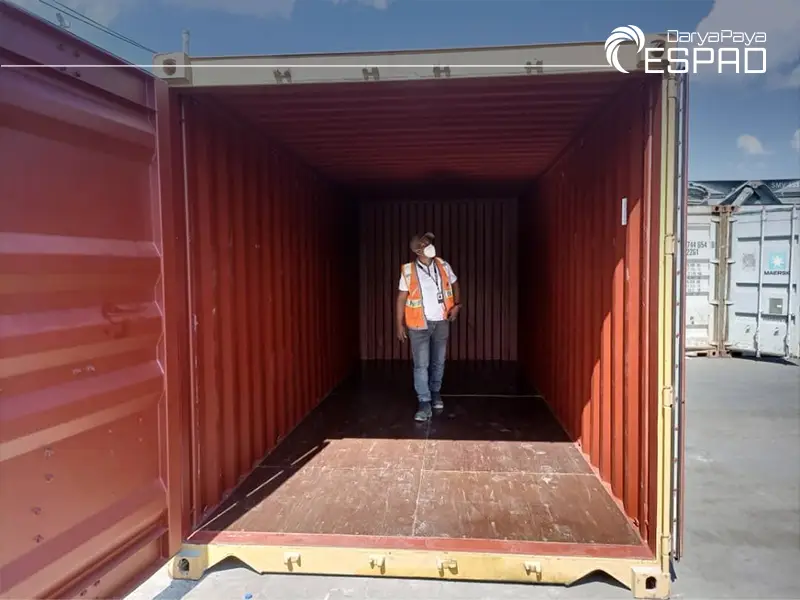
Practical Advice for Exporters and Importers
Exporters should plan the container process days before loading, not on the day of. Ensure the cargo is ready, packaging is complete, permits are obtainable, the booking is valid, and the truck is scheduled. If a container is collected too early, additional costs accrue; if collected too late, the Cut-Off will be missed.
Importers must demand that suppliers provide precise loading data. Container numbers, seal numbers, loading photographs, final weights, and the Gate-In date allow importers to prepare for clearance at the destination. For brokers, understanding this chain helps in identifying the root causes of discrepancies—whether they occurred during loading, declaration, Gate-In, or in transit.
A Successful Gate-In is the Result of Meticulous Planning
The process of empty container collection, loading, and Gate-In is a cornerstone of containerized shipping in export and import. It begins with the booking and continues until the laden container enters the port terminal. Correct container selection, pre-inspection, proper stowage, weight control, VGM declaration, sealing, customs completion, and strict adherence to Cut-Off times are all decisive factors.
For exporters, professional management of this stage means cost reduction, delay prevention, cargo integrity, and enhanced credibility with foreign buyers. For importers, it signifies better control and reduced risk at the destination. For brokers and commercial units, this understanding ensures that documents, operations, and scheduling are managed with precision.
Ultimately, successful shipping relies on more than just selecting a shipping line or a competitive rate. The difference lies in the details—delivering a sound container, stowing cargo correctly, declaring true weights, recording accurate seals, and entering the terminal before the deadline. These details transform a standard operation into a professional one. In international trade, professionalism begins exactly here.
Meticulous management of the complex process of container delivery, principled loading, and Gate-In coordination requires reliance on a capable and professional business partner. Espad Darya Shipping, as a leading and reputable container transport company, is the most reliable partner for your business. With comprehensive mastery of all technical and logistical details—from standard container inspection to strict adherence to Cut-Off schedules and customs formalities management—we minimize operational risks. Choosing Espad Darya means guaranteeing the security, speed, and precision of your shipments, allowing you to focus with complete confidence on the growth and development of your international trade.