What Is Marine Fuel?
A Comprehensive Examination of the Various Types of Marine Fuels and Their Characteristics
Ships are regarded as the backbone of global trade, transporting a substantial portion of goods and raw materials from one country to another on a daily basis. A critical factor in their propulsion and operational efficiency, however, is the type of fuel they consume. Marine fuels differ significantly from automotive fuels and possess distinct characteristics that enable large-scale marine engines to operate effectively.
In this article, we aim to address the question, “What is marine fuel?”, introduce the various types of marine fuels, and explain why the adoption of cleaner marine fuels is of considerable importance.
What Is Marine Fuel?
Marine fuel refers to the substances used to generate the energy required for the propulsion of ship engines. These fuels are typically derived from crude oil and differ substantially from automotive fuels. Given that marine engines are significantly larger and more powerful, the fuel they utilize must possess specialized properties and higher energy density to ensure efficient and sustained operation.
Ships typically operate on diesel engines that require specialized types of fuel. These fuels must be capable of efficient combustion under high temperature and pressure conditions in order to generate the power necessary for propulsion. Moreover, given that vessels may remain at sea for extended periods—sometimes for months—the fuel must also possess adequate long-term storage stability.
Types of Marine Fuel
- Heavy Fuel Oil (HFO)
- Marine Diesel Oil (MDO)
- Liquefied Natural Gas (LNG)
- Biofuels (Biodiesel)
- Innovative and Future-Oriented Marine Fuels
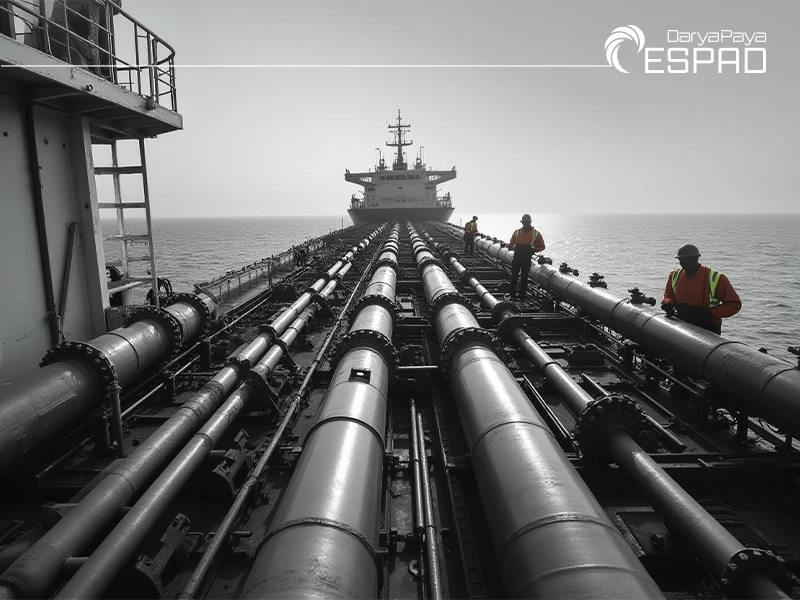
Heavy Fuel Oil (HFO)
Heavy fuel oil is the most commonly used and cost-effective fuel for large vessels. This fuel is dense, highly viscous, and dark in appearance, and it is typically obtained as a residual product following the crude oil refining process.
Advantages:
- Low cost and widespread availability
- Suitable for large-scale marine engines
Disadvantages:
- High sulfur content and significant levels of impurities
- High emissions of pollutants such as sulfur dioxide (SO₂) and particulate matter.
- Severe environmental and atmospheric pollution
Owing to its cost-effectiveness, this fuel continues to be widely used in many large vessels; however, emerging international regulations are progressively restricting its consumption.
Marine Diesel Oil (MDO)
Marine diesel oil is produced from more highly refined petroleum and, compared to heavy fuel oil, generates lower emissions. It is lighter and cleaner, making it suitable for smaller vessels or ships that require higher speeds.
Advantages:
- Lower emissions compared to HFO
- Suitable for smaller marine engines
- Improved ignitability and more efficient combustion characteristics
Disadvantages:
- Higher cost compared to heavy fuel oil
- Higher fuel consumption compared to HFO in certain applications
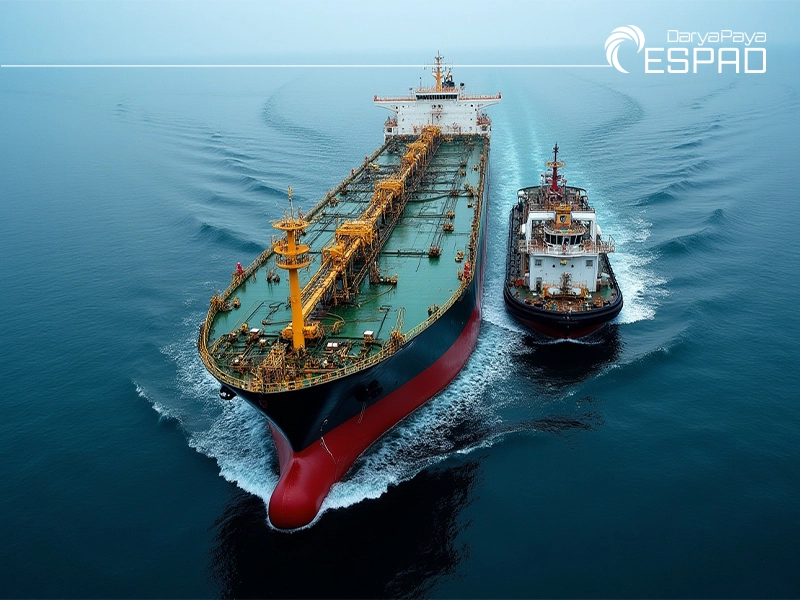
Liquefied Natural Gas (LNG)
LNG is considered one of the cleaner marine fuels, in which natural gas is liquefied at low temperatures to reduce its volume for storage and transportation. The use of LNG in shipping is increasing, as it emits lower levels of carbon dioxide and other pollutants compared to conventional marine fuels.
Advantages:
- Very low emissions
- Reduction in carbon dioxide and particulate matter emissions
- Compliance with New Environmental Standards
Disadvantages:
- Requirement for Specialized and Cost-Intensive Storage Equipment
- Limited Infrastructure for Supply at Ports
- High Initial Capital Expenditure for the Installation of LNG Engines
Innovative and Clean Marine Fuels
With scientific advancements and growing environmental concerns, new fuels have entered the market that are significantly cleaner and more environmentally friendly. Some of these fuels include:
- Biodiesel: Produced from renewable resources such as plants and vegetable oils, contributing to the reduction of greenhouse gas emissions.
- Hydrogen: A fuel that, upon combustion, produces only water and generates no pollutant emissions; however, its application in maritime transport remains limited at present.
- Ammonia: A carbon-free fuel currently under extensive research for large-scale application in maritime transport.
- Electric propulsion systems and fuel cells: Emerging technologies that are gradually expected to replace fossil fuels in maritime applications.
The Best Marine Fuel
The optimal marine fuel is one that not only provides sufficient energy and ensures efficient engine performance but also exerts the least possible environmental impact. At present, liquefied natural gas (LNG) is recognized as one of the most viable options due to its lower pollutant emissions and reduced greenhouse gas output. In addition, biofuels and low-sulfur fuels represent suitable alternatives that contribute to environmental protection. Ultimately, the selection of the most appropriate fuel depends on the specific operational requirements of each vessel and the availability of supporting infrastructure.
Why Is the Use of Cleaner Marine Fuels Important?
- Reduction of Air Pollution
When vessels burn conventional fuels such as heavy fuel oil, they emit substantial quantities of pollutants, including sulfur dioxide and particulate matter. These emissions contribute to respiratory health issues in humans and animals and degrade air quality in coastal regions. The adoption of cleaner fuels supports the preservation of healthier air quality.
- Preservation of the Marine Environment
When highly polluting fuels are used in vessels, contaminants may enter marine waters and cause harm to fish and other marine organisms. Cleaner marine fuels contribute to the preservation of ocean ecosystems and support the maintenance of healthier marine environments.
- Compliance with International Regulations
The International Maritime Organization (IMO) has enacted regulations aimed at reducing the sulfur content in marine fuels. These rules mandate that vessels utilize fuels with lower emission levels. Compliance with such regulations is compulsory, and failure to adhere to them may result in substantial penalties.
- Reduction of Long-Term Costs
Although cleaner fuels may initially entail higher costs, over time they contribute to reduced engine maintenance expenses, lower regulatory penalties, and diminished environmental liabilities. Furthermore, the efficient utilization of clean fuels can enhance operational economy and support long-term cost optimization.
Challenges Associated with the Use of Cleaner Marine Fuels
- High Costs: Cleaner fuels are generally more expensive than conventional fuels and require specialized equipment for handling and utilization.
- Limited Infrastructure: Many ports still lack the necessary facilities to supply cleaner fuels such as LNG.
- Technological Requirements: Vessels must undergo technical modifications to accommodate the use of cleaner fuels, a transition that entails considerable costs.
The Future of Marine Fuel
With growing concerns over air pollution and climate change, an increasing number of shipping companies and governments are seeking cleaner solutions. Emerging technologies such as hybrid propulsion systems, fuel cells, and the utilization of alternative fuels like hydrogen and biodiesel are advancing rapidly. It is anticipated that in the near future, a greater proportion of vessels will transition to cleaner fuels, thereby significantly reducing their environmental footprint.
The Role of Clean Fuels in Environmental Protection
By relying on heavy fuels, ships emit substantial quantities of pollutants and toxic gases that adversely affect both the environment and human health. Cleaner fuels, through the reduced emission of greenhouse gases and particulate matter, contribute to maintaining air quality and mitigating marine pollution. The adoption of such fuels not only ensures compliance with international regulations but also supports the preservation of marine biodiversity and atmospheric health, thereby fostering a more sustainable future for the planet.
Conclusion
Marine fuel is one of the most critical factors influencing vessel performance and has a significant environmental impact. There are various types of marine fuels, ranging from heavy and cost-efficient options to cleaner and more advanced alternatives. The use of cleaner marine fuels is essential due to their role in reducing air pollution, protecting the marine ecosystem, and ensuring compliance with international regulations. Although these fuels still present certain challenges, the future of the maritime industry is steadily moving toward their broader adoption.