Importing Auto Parts to Iran and Its Key Considerations
The importation of auto parts into Iran constitutes one of the most vital and complex segments of the country’s automotive and spare parts market. With the expansion of the automotive industry and the growing number of vehicles in circulation, demand for original, auxiliary, and consumable components has increased substantially. Consequently, importing auto parts into Iran has become a strategic matter requiring comprehensive knowledge of regulations, compliance requirements, and prevailing market conditions.
In this article, we examine the auto parts import process comprehensively and step by step. By reviewing this guide, you will become familiar with different categories of parts, customs regulations, tariff structures, critical considerations for importers, and the challenges you may encounter throughout this process.
How Is the Importation of Auto Parts into Iran Conducted?
1.Obtaining a Commercial Card
The first step in importing auto parts into Iran is securing a Commercial Card. This card is issued by the Iran Chamber of Commerce, Industries, Mines and Agriculture and is mandatory for conducting any formal import activity.
2.Order Registration in the Comprehensive Trade System
After obtaining the Commercial Card, the importer must register the order through Iran’s Comprehensive Trade System. This platform, established by the Ministry of Industry, Mine and Trade, records all relevant details of the goods, including value, origin, and classification.
3.Obtaining the Required Permits
Certain categories of auto parts require specific import licenses. These permits may be issued by the Ministry of Industry, Mine and Trade, the National Standards Organization of Iran, or the Environmental Protection Organization. Securing these approvals ensures that the imported components comply with quality and environmental standards.
4.Transportation and Customs Clearance
After obtaining the necessary permits and completing order registration, the goods are imported into the country and must undergo customs clearance. The clearance process involves the submission of required documentation, payment of customs duties, taxes, and other applicable charges. Collaborating with a professional customs broker can significantly expedite this procedure.
- Categories of Importable Auto Parts
- Categories of Importable Auto Parts
- Consumable Parts
- Body Parts
- Body Parts
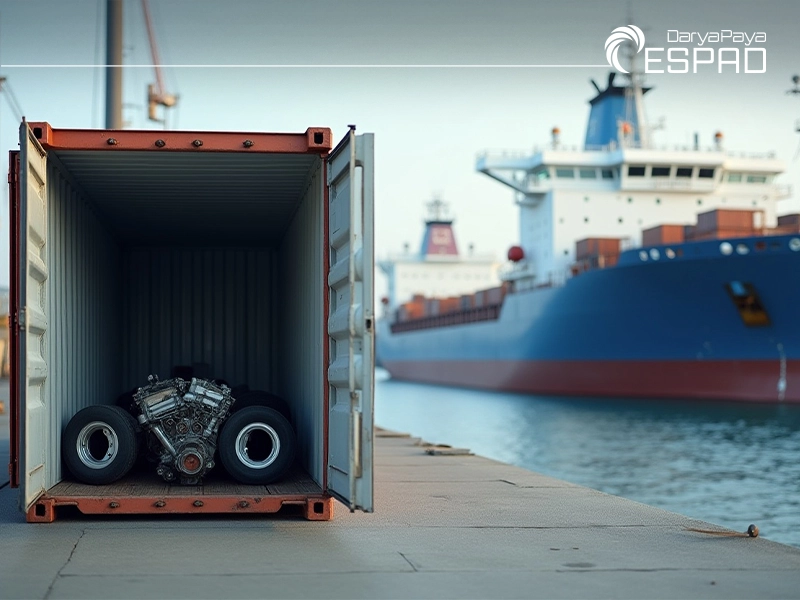
Importation of Automotive Consumable Parts
Consumable components constitute a substantial portion of imports. These parts are utilized throughout the vehicle’s operational lifespan and require periodic replacement. Examples include filters (air, oil, and fuel), brake pads, spark plugs, timing belts, and alternator belts.
Importation of Core and Technical Automotive Components
Core components such as the engine, gearbox, suspension system, and braking system fall within the category of technical parts. Their quality has a direct impact on vehicle performance and they are generally more expensive than consumable parts. These components must comply with stringent standards to ensure vehicle safety and operational efficiency.
Importation of Vehicle Body Parts
Body parts include doors, fenders, bumpers, front and rear lights, windshields, rear windows, and side mirrors. These components are typically replaced due to accidents or physical damage.
Automotive Electronic Components
With technological advancements in modern vehicles, electronic components such as the ECU (Electronic Control Unit), sensors, relays, and fuses have assumed a more critical role. These parts must be sourced carefully and imported from reputable manufacturers to prevent performance disruptions.
Imported Auto Parts in Iran
| Category | Imported Components |
| Engine Components | Pistons, connecting rods, crankshafts, cylinder head gaskets, valves |
| Consumable Parts | Air filters, oil filters, spark plugs, timing belts, engine oil, lubricants |
| Suspension and Steering System | Shock absorbers, coil springs, suspension bushings, ball joints, steering gearboxes |
| Braking System | Brake pads, brake discs, brake calipers |
| Body Parts | Vehicle doors, front and rear bumpers, front and rear lights, windshields, side mirrors |
| Electronic Components | Engine Control Unit (ECU), oxygen sensors, relays, vehicle batteries |
Free Consultation for Maritime Import of Auto Parts
- China: Owing to its competitive pricing and high production capacity, China is regarded as the largest supplier of auto parts to the Iranian market.
- Turkey: This country offers reliable quality in the supply of genuine and OEM components, and its geographic proximity provides a logistical advantage.
- Germany: High-quality and original parts from Germany are particularly sought after for European vehicles.
- United Arab Emirates: Serving as a major transit and distribution hub, the UAE plays a pivotal role in the importation of auto parts into Iran.
- South Korea and Japan: These countries are recognized suppliers of high-quality components for Asian vehicles such as Hyundai, Kia, and Toyota.

Import Tariffs on Auto Parts to Iran
Import tariffs on auto parts vary depending on the type of component, its declared value, and weight. Generally, these tariffs range between 5% and 25%. In addition, importers are required to pay 9% Value Added Tax (VAT) along with other applicable duties and charges.
Key Considerations Regarding Tariffs:
- Consumable parts typically fall under lower tariff rates.
- Consumable parts typically fall under lower tariff rates.
- Tariff rates are subject to change in accordance with governmental policies; therefore, it is advisable to verify the latest applicable rates prior to importation.
Regulations and Legal Requirements for Importing Auto Parts into Iran
- Product Standard Compliance: One of the most critical prerequisites for importing auto parts is compliance with applicable standards. Components must possess certification from the National Standards Organization of Iran or recognized international standards.
- Product Authenticity: The importation of counterfeit or non-genuine parts is strictly prohibited and may result in penalties or confiscation of goods. Importers must provide valid documentation such as an official invoice, certificate of origin, and product identification documents.
- Import Restrictions: Due to sanctions or domestic trade policies, certain auto parts may be restricted or prohibited for import. Therefore, it is essential to review current regulatory limitations before placing an order.
Conditions for Importing Auto Parts into Iran:
- Obtaining an order registration permit from the Ministry of Industry, Mine and Trade;
- Obtaining an order registration permit from the Ministry of Industry, Mine and Trade;
- Submission of complete documentation, including pro forma invoice, bill of lading, customs declaration, and certificate of origin;
- Payment of applicable customs duties in accordance with the type of part and engine capacity (typically ranging between 12% and 55%);
- Securing foreign currency allocation and approval from the Central Bank;
- Securing foreign currency allocation and approval from the Central Bank;
- Comprehensive familiarity with the domestic market and customer demand;
- Compliance with environmental regulations and prevention of importing polluting components.
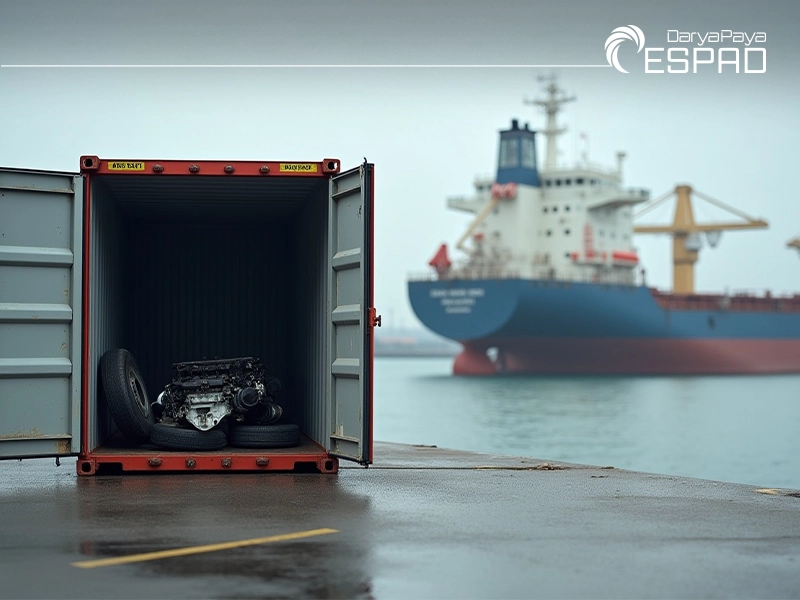
Key Considerations for Auto Parts Importers
Market Research: Prior to initiating import operations, it is essential to assess the target market, consumer demand, and competitive landscape.
Selection of Reliable Suppliers: Partnering with trustworthy suppliers ensures product quality and reduces operational risk.
Familiarity with Customs Regulations: A precise understanding of customs clearance procedures and required documentation helps prevent delays and compliance issues.
Maintaining Relationships with Official Representatives: Brand registration or obtaining official dealership authorization supports the legality and credibility of the import process.
Environmental Compliance: When importing environmentally sensitive components, strict adherence to relevant environmental regulations is imperative.
Advantages of Importing Auto Parts into Iran
- Supply of high-quality and genuine components
- Expansion of product diversity within the domestic market
- Contribution to the improvement of after-sales service quality
- Promotion of healthy market competition and potential price reduction
- Meeting the growing demand of the market and consumers
Challenges in Importing Auto Parts
- Exchange rate volatility, which may significantly affect the final cost of goods
- Sanctions and banking restrictions that complicate international financial transactions
- High international transportation costs
- Risk of counterfeit and substandard parts entering the market.
- Administrative complexities and prolonged timelines in obtaining required permits.
- New governmental restrictions and sudden changes in import regulations.
Auto Parts Import Strategy Leveraging Espad’s Experience and Supply Network
The importation of auto parts into Iran holds strategic significance and can substantially influence vehicle quality and customer satisfaction. By adhering to regulatory requirements, selecting reputable suppliers such as Espad, and maintaining comprehensive familiarity with customs procedures and applicable standards, importers can pave the way for sustainable success.Furthermore, given the prevailing sanctions and regulatory constraints, it is strongly advisable to seek guidance from legal and commercial advisors to mitigate potential risks. Ultimately, the integration of auto parts imports alongside domestic production can foster a stronger and more competitive market in Iran, benefiting both consumers and the broader automotive industry.