Iran’s Maritime Imports in 2024: Trends, Top Products, and Key Trade Partners
Maritime trade plays a central role in Iran’s economy, supplying everything from essential food products to industrial machinery. In 2024, Iran’s sea imports continued to grow despite global market shifts, logistics challenges, and international restrictions.
This overview highlights what Iran imported the most in 2024, which countries supplied these goods, and what factors shaped the country’s maritime import landscape.
Why Maritime Imports Matter for Iran
Because shipping is cost‑effective and suitable for large volumes, Iran relies heavily on maritime routes to meet domestic demand. Sea imports support:
- Food security
- Manufacturing and industrial production
- Technology acquisition
- Consumer market needs
Although international limitations have created challenges, Iran has diversified its trading partners and optimized logistics routes, resulting in more stable and varied supply chains.
Iran’s Maritime Import Volume in 2024
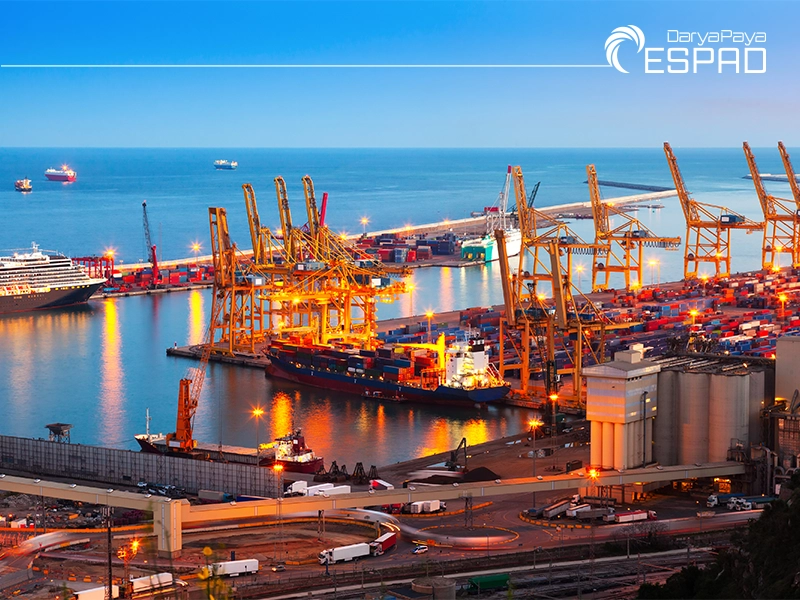
In 2024, Iran imported roughly 30 million tons of goods via sea routes — a 5% increase from the previous year.
This growth reflects:
- Increased industrial activity
- Rising domestic consumption
- Modernized port operations
- Faster loading and unloading processes
For businesses involved in trade, this upward trend signals a more active and expanding market.
Top Maritime Imports in 2024 (Humanized Overview)
Here are the most imported product categories Iran received by sea:
1. Wheat and Legumes
Driven by lower domestic production and high demand for staple foods.
2. Edible and Vegetable Oils
A major requirement for households and food manufacturers.
3. Petrochemical & Chemical Materials
Core feedstock for plastics, packaging, and chemical industries.
4. Steel and Metal Products
Used across construction, automotive, and machinery production.
5. Cars and Spare Parts
To meet rising consumer demand and support the aftermarket sector.
6. Industrial Machinery & Equipment
Especially vital for oil, gas, and manufacturing projects.
7. Corn & Animal Feed
Supporting livestock, poultry, and agriculture.
8. Electronic Consumer Goods
Smartphones, laptops, and digital devices remain in high demand.
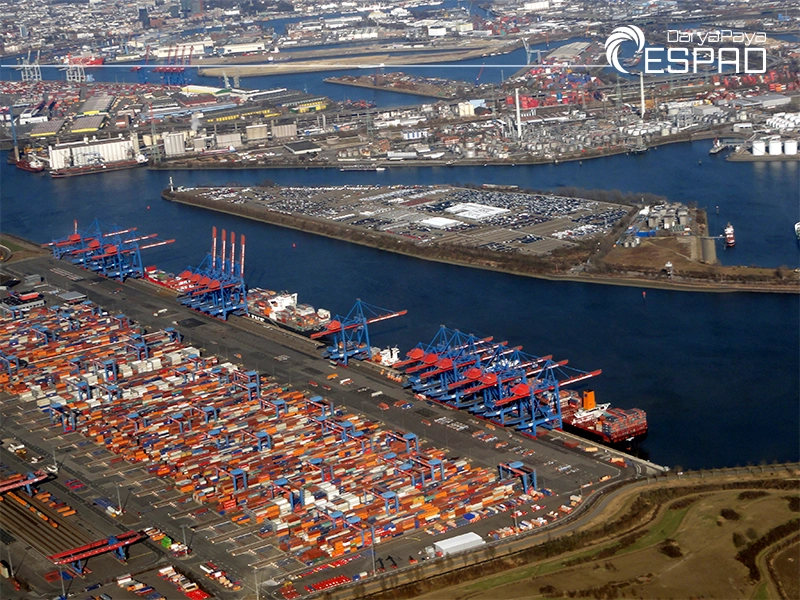
Import Categories at a Glance
- Essential commodities
- Industrial raw materials
- Consumer and manufactured goods
These three groups make up the majority of Iran’s maritime trade volume.
Which Countries Supplied Iran the Most in 2024?
1. China — Iran’s largest and most diversified trade partner
Competitive pricing + wide product variety = consistent import flow.
2. United Arab Emirates (UAE)
A major re‑export hub supplying electronics, machinery, and consumer goods.
3. Turkey
Strong in industrial materials, machinery, and food products.
4. South Korea & India
Key suppliers of advanced machinery and industrial inputs.
5. European Countries
Mostly high‑tech, specialized, or premium industrial equipment.
For SEO: These countries collectively form Iran’s primary maritime import sources in 2024.
What Influenced Iran’s Sea Imports in 2024?
Economic Conditions
- Currency fluctuations affecting import costs
- Inflation influencing consumer and industrial demand
Port Development
- Increased capacity at major ports
- Automation and modern machinery improving efficiency
Global Market Dynamics
- Price changes in global commodities
- International relations and trade agreements
Government & Industrial Policies
- Incentives for importers
- Expansion of industrial production requiring more raw materials
Import Volume Breakdown (Selected Categories)
| Commodity | Volume (Tons) | Share of Total Imports |
|---|---|---|
| Wheat | 5,000,000 | 16.6% |
| Petrochemical materials | 4,500,000 | 15% |
| Steel products | 3,800,000 | 12.6% |
| Vehicles & spare parts | 2,500,000 | 8.3% |
These figures highlight where Iran’s largest maritime expenditures occurred in 2024.
Key Trend: Continued Growth in Maritime Imports
As Iran boosts industrial investment and upgrades port infrastructure, import capacity continues to improve. Modernized logistics systems have increased the speed and reliability of cargo handling, supporting a more efficient trade network.
Conclusion
Iran’s maritime imports saw solid growth in 2024, driven by rising domestic demand and an expanding industrial sector. Essential goods, raw materials, and machinery dominate the import basket, with China, the UAE, and Turkey remaining key partners.
For companies involved in shipping, logistics, or international trade with Iran, understanding these trends can help identify opportunities and plan strategic partnerships.
Espad’s detailed reports and industry insights provide a reliable guide for businesses looking to navigate Iran’s maritime trade landscape.