General Cargo or Special Cargo? A Comparative Review in Maritime Transport
Shipping companies utilize different types of equipment and facilities to transport various categories of goods, as each cargo type has distinct transportation requirements. Commodities are generally classified into General Cargo, Special Cargo, and Dangerous Goods (DG). Accordingly, specific measures must be implemented for each category to ensure safe delivery to the final destination.
Understanding cargo classification plays a crucial role in selecting the most appropriate mode of transport and handling method. For this reason, in this article from the Espad Blog, we examine the differences between Cargo and General Cargo. After reading this guide, you will have a clearer perspective on international freight transportation.
What is General Cargo?
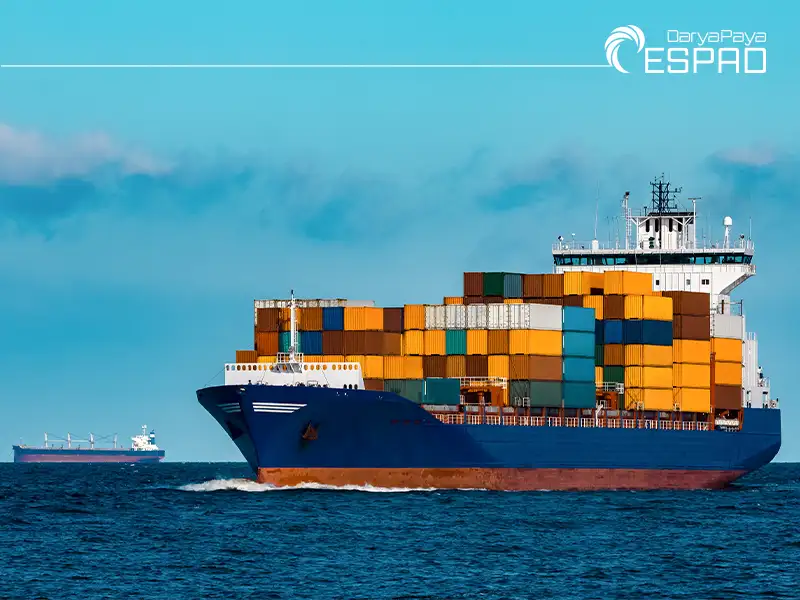
General Cargo refers to standard goods transported individually in unified shipping units such as palletized cartons, crates, cases, packages, drums, and other conventional cargo-handling units.
Types of General Cargo
General cargo encompasses a broad spectrum of commodities as outlined below:
Dry Cargo
Dry cargo includes the following non-perishable items:
- Clothing
- Bags
- Shoes
- Electronic devices
- Furniture
- Machinery and equipment
- Construction materials
Bricks, cement, tiles, and other construction materials constitute a significant portion of general cargo. Due to variations in weight and dimensions, carriers must apply additional care to prevent cargo damage during handling and stowage.
Machinery represents another category of general cargo that often involves complex logistics, particularly when oversized equipment requires specialized loading gear such as cranes and heavy-lift equipment.
Electronic goods such as smartphones, laptops, and tablets are classified as high-value cargo and are sensitive to moisture and temperature fluctuations. Therefore, appropriate protective measures and, where necessary, controlled storage conditions must be applied.
Household Goods
Household goods, as the name suggests, include the following general cargo items:
- Furniture
- Home appliances
- Kitchenware
- Household utensils
Manufactured Goods
Manufactured cargo includes a wide range of goods produced in factories within the exporting country and shipped to end consumers. These are also referred to as manufactured general cargo:
- Various tools
- Sporting goods
- Electronic equipment
Agricultural Products
Agricultural products classified as general cargo include only non-perishable agricultural commodities, as perishable items require specialized maritime handling.
Examples include:
- Grains such as rice, wheat, and corn
- Processed foods such as canned goods
- Flour products
- Sugar
- Certain long-shelf-life fruits and vegetables
Food Products
Food items are typically considered perishable cargo and are often categorized under general cargo. For long-haul shipments, they may require temperature-controlled environments, especially during extended sea voyages.
Beverages
Beverages are categorized as general cargo and include:
- Canned beverages
- Processed drinks such as fruit juices
- Bottled mineral water
- Soft drinks
Depending on the product type, refrigeration may be required to maintain product integrity. Additionally, beverages packaged in glass bottles require specialized protective packaging to prevent breakage during handling and transit.
What is Special Cargo?
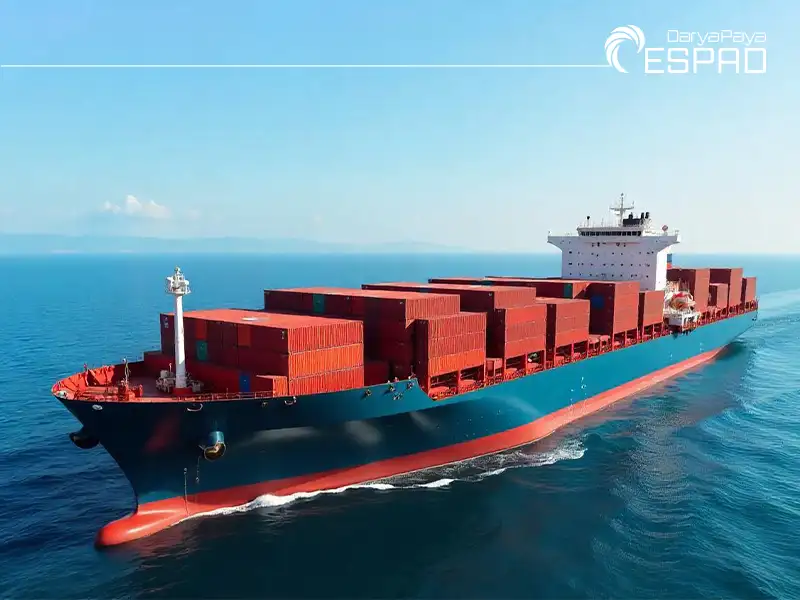
Special Cargo refers to goods that require specific handling procedures, specialized packaging, or customized transportation methods due to their inherent characteristics, dimensions, or regulatory requirements.
Such cargo must be loaded, stowed, and transported in compliance with additional regulations imposed by governmental authorities and international maritime conventions.
Examples of special cargo include food products, plant materials, timber products, pharmaceuticals, and firearms. Further categories are outlined below.
Dangerous Goods
Dangerous goods are substances that pose significant risks to health, safety, property, or the environment:
- Explosives
- Compressed gases
- Flammable solids and liquids
- Oxidizing substances and organic peroxides
- Toxic and infectious substances
- Radioactive materials
- Corrosive substances
These shipments must comply with the IMDG Code (International Maritime Dangerous Goods Code).
Fragile Cargo
Fragile cargo includes goods that are highly susceptible to damage from vibration, impact, or improper handling during loading and transportation.
Overweight Cargo
Overweight cargo consists of excessively heavy units that are classified as non-standard shipments and cannot be placed on conventional pallets.
Human Remains
Human remains are categorized as special cargo and require specific documentation, handling procedures, and regulatory compliance.
Live Animals
Live animals are classified as special cargo and must be transported in accordance with strict welfare and regulatory standards.
Perishable Cargo
Perishable cargo includes:
- Fresh vegetables
- Dairy products
- Meat
- Fish
- Flower bulbs
- Pharmaceuticals
- Vaccines
- Fruits
Such cargo often requires Reefer Containers and strict temperature monitoring throughout the voyage.
High-Value and Vulnerable Cargo
High-value cargo includes:
- Gold, platinum, and other precious metals
- Cash
- Precious stones
- Jewelry
Wet or Liquid Cargo
Wet cargo includes goods that contain moisture or may leak during transportation:
- Seafood
- Shellfish
- Fresh vegetables
- Marine food products
In essence, wet cargo refers to shipments with leakage potential that require special containment measures.
It should be noted that, unlike general cargo, special cargo cannot always be transported in standard containers. Reasons include:
- Excessive weight
- Overlength dimensions
- Excessive height
Cargo exceeding standard container dimensions is commonly referred to as OOG (Out of Gauge) cargo.
For this reason, shipping companies distinguish clearly between general cargo and special cargo.
What is the Difference Between Cargo and General Cargo?
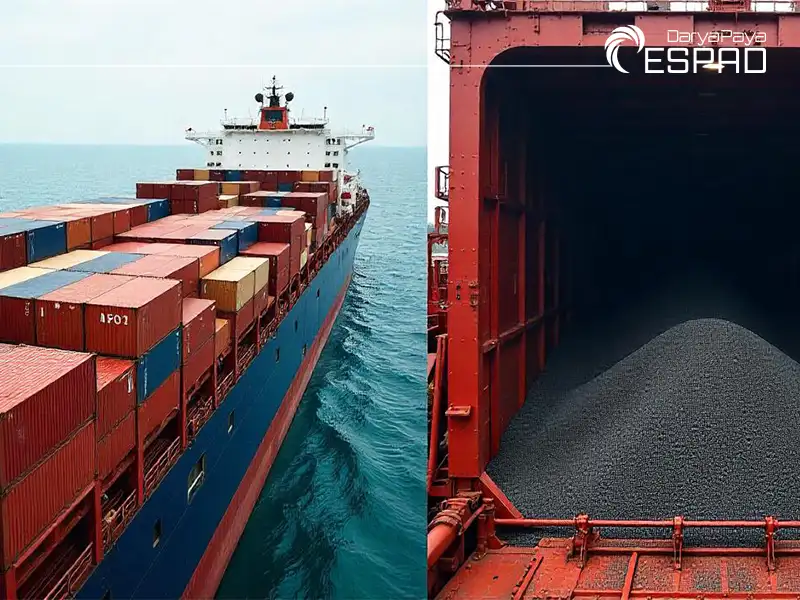
Now that you are familiar with General Cargo and Special Cargo in maritime transport, we can examine their differences.
Fundamental Differences
General cargo consists of standardized goods that do not require specialized equipment or handling procedures.
In contrast, special cargo includes perishable goods or shipments with extraordinary dimensions or excessive weight that require dedicated equipment and specialized handling.
Packaging and Transportation Requirements
General cargo follows standard packaging and handling procedures.
Special cargo requires customized packaging and dedicated transport methods. For dangerous goods, packaging and handling must strictly comply with cargo-specific regulatory protocols to minimize risk.
Storage and Transportation Conditions
General cargo typically involves conventional storage and transport conditions.
Special cargo requires specialized storage facilities and transportation methods. Dangerous goods, in particular, must be stored and transported under strictly controlled conditions.
Risk Management Strategies
For general cargo, adherence to standard risk management practices is generally sufficient.
Special cargo requires enhanced and more precise risk mitigation strategies and may present operational challenges.
Dangerous goods require comprehensive risk management procedures to prevent safety and environmental incidents.
Storage and Transportation Costs
The most significant difference between general cargo and special cargo lies in transportation and handling costs.
Comparison:
- General Cargo: Lower handling and transportation costs
- Special Cargo: Higher costs due to specialized requirements
- Dangerous Goods: Significantly higher costs due to strict regulatory compliance and safety measures
Comparative Table: Cargo vs. General Cargo
| Feature | General Cargo | Special Cargo | Dangerous Goods |
|---|---|---|---|
| Fundamental Characteristics | Standardized goods | Goods with special characteristics such as excessive weight or non-standard dimensions | High-risk goods requiring strict compliance |
| Packaging & Handling | Standard packaging | Specialized packaging | Cargo-specific regulated packaging |
| Storage & Transport Conditions | Flexible | Specialized | Highly regulated |
| Risk Management | Damage prevention | Quality preservation | Safety and hazard mitigation |
| Storage & Transport Costs | Lower | Higher due to specialized needs | Highest due to regulatory compliance |
Difference Between Special Cargo and General Cargo in Maritime Transport
Understanding cargo classification facilitates proper planning for loading, stowage, and transportation.
In this article, various cargo types in maritime transport were introduced, and the differences between General Cargo and Special Cargo were examined. You now understand which category each commodity belongs to and what measures are required for its storage, handling, and transportation.
As mentioned, transporting special cargo and dangerous goods requires dedicated equipment and professional expertise. Therefore, it is advisable to use the services of Espad Shipping Company, the first private shipping line in Iran, equipped with comprehensive facilities and specialized equipment for handling all types of cargo.