Comprehensive Overview of African ports and Emerging Commercial Opportunities
African seaports constitute critical nodes within the global maritime transportation network and play a pivotal role in facilitating international trade flows. Owing to their strategic geographical positioning—particularly at the intersection of major trade corridors connecting Europe, Asia, and the Americas—these ports occupy a highly significant position within the global economy.
African countries, endowed with abundant natural resources—especially oil, gas, and mineral commodities—have evolved into major exporters of bulk cargo and raw materials. Moreover, ongoing economic reforms and infrastructure development initiatives across African port systems have generated substantial commercial opportunities for international traders and foreign investors.
This article examines the strategic importance of Africa’s commercial ports and their operational role in enabling international trade. It also analyzes the emerging commercial opportunities arising from port infrastructure development and the expansion of trade relations with various economies, particularly China and other Asian markets. Considering the vast logistical and economic potential across the continent, African seaports are expected to evolve into prominent global trade and logistics hubs in the coming years.
Strategic Importance of African Ports
African ports hold considerable importance in global trade, functioning as primary gateways for exports and imports across the continent. Particularly in West, East, and Southern Africa, strategically positioned port facilities provide direct connectivity to international markets and play a vital operational role in the movement of commodities such as crude oil, natural gas, mineral resources, agricultural products, and industrial cargo.
These ports not only contribute to strengthening the national economies of African states but also operate as integral nodes within international logistics and maritime transportation networks. As a result, they facilitate economic growth, promote trade efficiency, and attract foreign direct investment. Consequently, African seaports play a fundamental role in enabling global trade flows and improving the economic outlook of the continent.
Major Seaports in Africa
As noted earlier, African seaports function as essential hubs for international commerce and serve as critical gateways connecting the continent to global markets. The following ports represent some of the most significant maritime gateways in Africa due to their strategic geographic and economic positioning:
Port Said (Egypt):
One of Africa’s most strategically significant ports, located at the entrance of the Suez Canal. Due to its exceptional geographic positioning, this port constitutes one of the most important maritime transit corridors linking European and Asian trade routes.
Port of Durban (South Africa):
The largest port in Africa in terms of cargo throughput. Durban plays a vital operational role in the import and export of mineral resources, automobiles, and food products. As a regional commercial hub, it maintains extensive logistical connections with inland markets and other African regions.
Port of Lagos (Nigeria):
One of the largest and busiest ports in West Africa, closely associated with the export of oil, gas, and various bulk commodities. Nigeria’s extensive petroleum reserves have transformed this port into a critical node in global energy trade.
Port of Mombasa (Kenya):
One of the principal ports in East Africa, serving as a key gateway for trade with Indian Ocean economies and East Asian markets. The port is widely utilized for the import and export of consumer goods and raw materials.
Port of Tangier (Morocco):
Located at the Strait of Gibraltar, this port functions as one of North Africa’s most significant commercial gateways. Its proximity to European markets and its strategic access to global maritime routes create substantial trade opportunities.
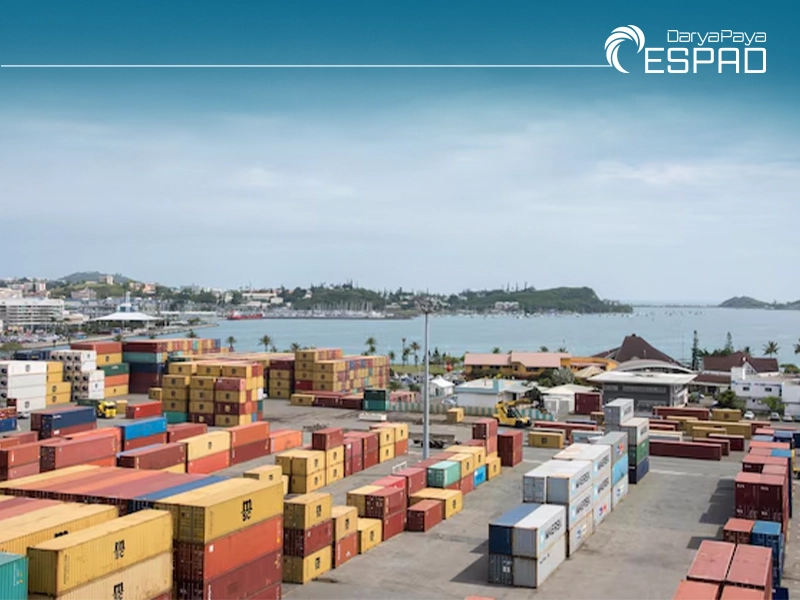
Commercial Opportunities in African Ports
Commercial opportunities associated with African seaports continue to expand due to the continent’s strategic location and considerable economic potential. Through ongoing infrastructure modernization and the strengthening of international trade partnerships, these ports are generating new opportunities for investors and global trading partners. Key opportunities include the following:
1. Expansion of International Trade and Infrastructure Development
Through port expansion initiatives and improvements in maritime and logistics infrastructure, African countries are increasingly able to attract foreign investment and strengthen their participation in international trade. Large-scale development projects—such as the expansion of existing ports like Lagos and Durban or the construction of new port terminals—have created significant commercial opportunities, particularly in the export of minerals, petroleum products, natural gas, and industrial commodities.
2. Investment in Non‑Oil Economic Sectors
Many African economies are actively pursuing strategies to reduce dependence on oil and gas exports by expanding non‑oil sectors such as agriculture, mining, technology, and manufacturing. These structural economic shifts are enabling ports to diversify cargo flows and create new export channels for a broader range of commodities.
3. Trade Expansion with China and Asian Markets
African countries—particularly those located in East and Southern Africa—benefit from expanding trade relations with China and other Asian economies. African ports play a crucial operational role in facilitating these commercial exchanges, as Asia represents one of Africa’s largest trading partners.
4. Intra‑African Trade Development
African ports are increasingly evolving into hubs for intra‑continental trade. Initiatives such as the African Continental Free Trade Area (AfCFTA)—a landmark agreement aimed at facilitating trade within the African continent—are expected to significantly expand commercial activity across African ports. This initiative strengthens regional cargo flows and reduces trade barriers between African economies.
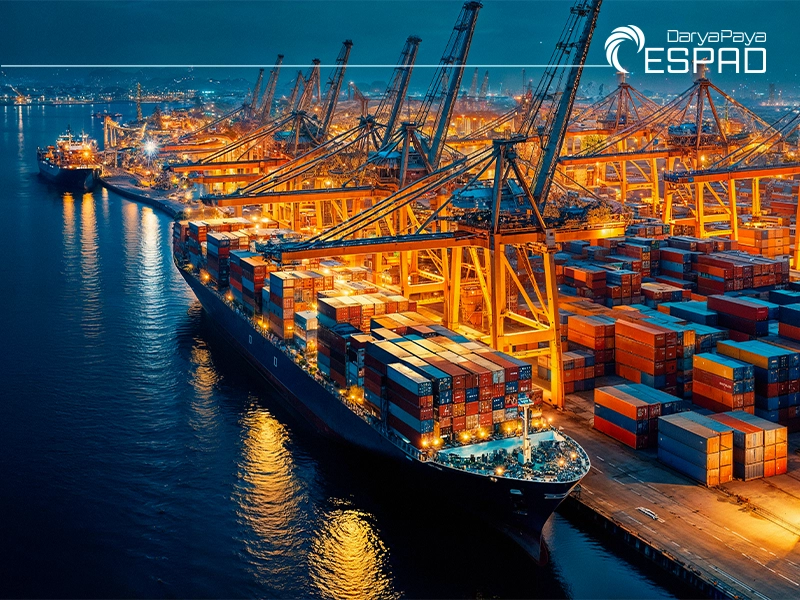
Challenges and the Future of Africa’s Maritime Trade
Despite their considerable potential, African ports continue to face several operational challenges that may affect their efficiency and competitiveness. These challenges include infrastructure limitations, security concerns, port congestion in certain terminals, and shortages of skilled labor within maritime logistics operations.
Nevertheless, African governments and international stakeholders are actively investing in port modernization programs, transportation infrastructure upgrades, and enhanced security measures. These initiatives aim to mitigate existing operational constraints while expanding the commercial capacity of African port systems.
Cargo Transportation to African Ports with Espad
With their strategic geographical positioning and substantial commercial potential, African ports provide significant opportunities for the expansion of global trade and the attraction of foreign investment. These ports play a crucial role particularly in the export of natural resources, petroleum products, natural gas, and mineral commodities.
Through continuous infrastructure improvements and the expansion of international trade partnerships, African ports are opening new horizons for traders and investors worldwide. Espad International Transport Company, leveraging its extensive operational experience and established logistics network across African ports, can serve as a reliable commercial partner in facilitating cargo transportation and enabling businesses to capitalize on these emerging opportunities.