Bitumen Imports from Iran to China and Their Commercial Requirements
Bitumen imports from Iran to China have created a valuable commercial opportunity within the international energy and construction materials market. Given Iran’s substantial petroleum resources, competitive bitumen quality produced in refineries across the country, and its strategic geographic position, suppliers from Iran have become important participants in meeting China’s growing infrastructure demand. In this article, we examine the importance of the Chinese market, transportation routes, operational challenges, and the role of logistics companies in facilitating bitumen imports from Iran to China.
The Importance of Bitumen from Iran in the Chinese Market
China is one of the world’s largest consumers of bitumen due to its continuous investment in infrastructure development, highway construction, airport expansion, and large-scale urbanization projects. As domestic demand continues to grow, imports remain a crucial component of China’s supply chain.
Bitumen supplied from Iran has gained significant attention in international markets due to its competitive pricing, suitable technical specifications, and availability in multiple grades required by construction companies and industrial buyers. In addition, importing bitumen from Iran to China can offer commercial advantages such as supply diversification, stable availability, and competitive landed costs compared with other regional suppliers.
Bitumen Transportation Routes from Iran to China
Several transportation methods are available for bitumen imports from Iran to China. The selection of the optimal route depends on shipment volume, delivery schedules, contract terms, and logistics costs.
Maritime Transportation of Bitumen from Iran to China
Maritime transportation remains the most common and cost‑efficient method for shipping bitumen from Iran to China. Cargoes are typically loaded at southern ports in Iran such as Bandar Abbas, Shahid Rajaee Port, and Imam Khomeini Port before being transported to major Chinese ports including Shanghai, Guangzhou, and Qingdao.
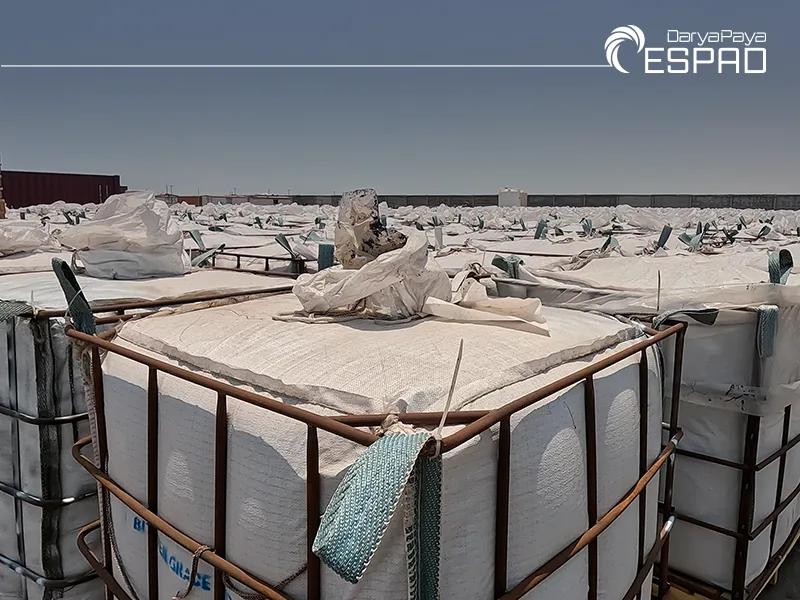
This route is suitable for bulk cargo, steel drums, jumbo bags, and other packaged bitumen formats. Depending on shipping schedules and weather conditions, the average transit time ranges from approximately 25 to 35 days.
Multimodal Transportation of Bitumen from Iran to China
For cargoes requiring alternative delivery solutions or flexible transit options, multimodal transportation through Central Asia or Russia may be considered. Although these methods generally involve higher operational costs than direct maritime shipping, they can provide strategic advantages under specific market conditions.
Iran – Turkmenistan – Kazakhstan – China Route
This rail‑based corridor, recognized as part of the East Caspian transport network, provides a relatively efficient connection between Iran and western China. The estimated transit time through this route is approximately 20 to 28 days.
Iran – Russia – China Route
This transportation corridor combines rail and multimodal logistics operations through Russian transit networks before reaching eastern Chinese markets. The estimated transit time for shipments through this route ranges from approximately 30 to 45 days.
Challenges of Bitumen Imports from Iran to China
Despite the strong trade potential between Iran and China, several operational and commercial challenges may affect the import process.
Compliance with Chinese Quality Standards
China applies strict technical and quality regulations for imported petroleum products, including bitumen. Importers must ensure that bitumen supplied from Iran fully complies with approved laboratory specifications, viscosity requirements, and environmental standards. Any inconsistency in quality documentation or testing results may result in cargo rejection or financial penalties.
Customs Procedures and Commercial Documentation
Bitumen imports into China require accurate preparation of commercial and customs documentation, including certificates of origin, quality analysis certificates, shipping documents, labeling compliance, and environmental approvals.
Freight Costs and Currency Fluctuations
Changes in international freight rates and currency exchange fluctuations can significantly impact the final landed cost of bitumen imports from Iran to China. During periods of high shipping demand or container shortages, transportation expenses may increase substantially.
Packaging and Cargo Handling Requirements
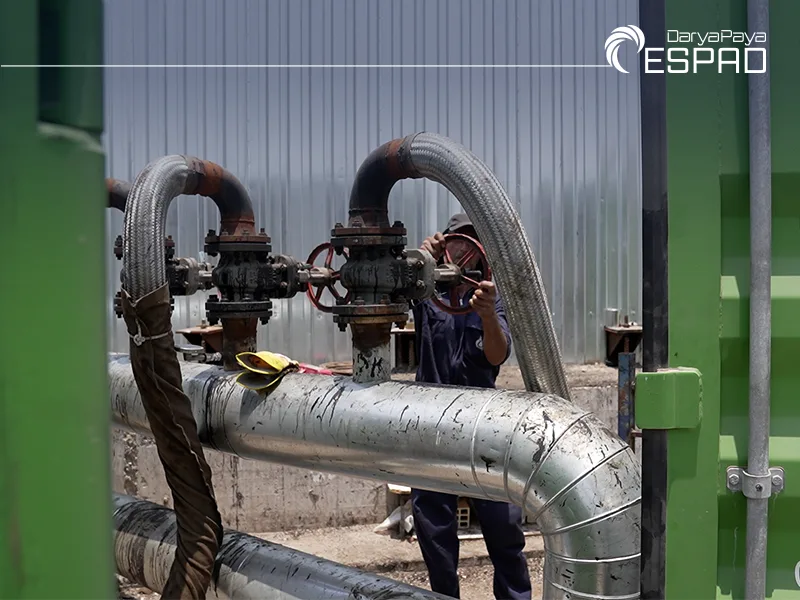
Bitumen imported from Iran to China is commonly transported in steel drums, jumbo bags, flexitanks, or bulk form. Each packaging method involves different operational costs, unloading procedures, and storage requirements. Drummed bitumen remains one of the most widely used solutions due to its practicality and compatibility with port handling operations.
The Role of Logistics Companies in Bitumen Imports from Iran to China
Efficient logistics management is one of the most critical factors in the successful transportation of bitumen from Iran to China. Professional logistics companies support importers and traders by managing transportation coordination, customs operations, shipment monitoring, and supply chain optimization.
The primary services provided by logistics companies in bitumen imports from Iran to China include:
- Selection of the most efficient transportation route
- Coordination with shipping lines and freight carriers
- Provision of suitable packaging and cargo handling solutions
- Management of customs clearance procedures
- Cargo tracking and operational reporting
- Risk management and logistics consultancy
Considering the complexity of international petroleum logistics and the operational requirements of the Chinese market, cooperation with an experienced logistics provider is essential. Espad Darya Paya, with extensive expertise in international transportation and petroleum cargo logistics, is fully prepared to manage bitumen shipments from Iran to China through secure, efficient, and internationally compliant logistics solutions.