Exporting Bitumen from Iran: Guide, Procedures, and Key Challenges
The transportation of export-grade bitumen from Iran presents multiple operational challenges due to the product’s inherent characteristics, including temperature sensitivity and the requirement for specialized equipment. From packaging selection to mode of transport and customs compliance, each stage demands a high level of technical precision and industry expertise.
In this article, we examine the principal methods of transporting bitumen from Iran and the primary challenges faced by exporters, enabling you to make fully informed commercial decisions. Follow along to understand the critical operational considerations within this sensitive logistics chain for exporting bitumen from Iran.
Types of Export Bitumen
Export bitumen from Iran is classified according to its technical specifications and functional applications. Each grade serves distinct industrial purposes. The principal categories include:
Penetration Grade Bitumen:
The most widely traded export grade, extensively used in asphalt production and road construction. Common grades such as 60/70 and 80/100 are classified based on penetration value.
Blown Bitumen (Oxidized Bitumen):
Produced by air-blowing bitumen at elevated temperatures. This grade is primarily utilized in waterproofing systems, roofing membranes, insulation, and protective coatings.
Cutback Bitumen:
Bitumen blended with petroleum solvents to reduce viscosity. It has more limited application and is generally used in cold-climate regions.
Bitumen Emulsion:
A mixture of bitumen, water, and emulsifying agents. It is environmentally compatible and commonly applied in light roadworks and rapid maintenance operations.
Export Bitumen Packaging Methods
Selecting appropriate packaging is critical for maintaining product integrity, ensuring transport safety, minimizing ancillary costs, and complying with destination standards for bitumen exported from Iran. Common packaging methods include:
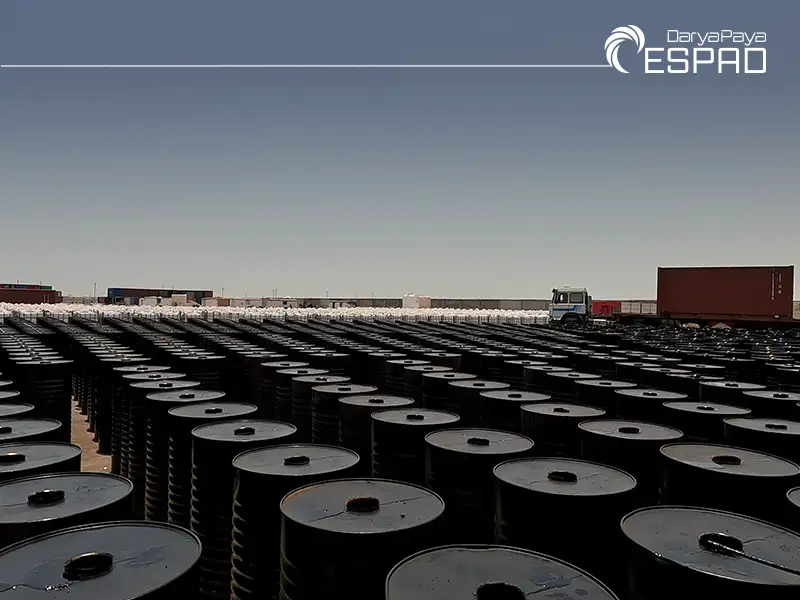
Steel Drum Packaging:
The most conventional method for solid bitumen. Drums typically range from 150 to 220 liters and are suitable for both land and sea transport.
Bulk Bitumen:
Used for large volumes requiring expedited movement, typically transported via thermal tankers or dedicated bitumen carrier vessels.
Jumbo Bag / Bag-in-Box:
A modern packaging solution for solid bitumen, particularly suitable for destinations lacking bulk discharge infrastructure.
Key Export Destinations for Iranian Bitumen
As a leading regional producer, Iran holds a significant share of the global bitumen export market. Access to crude oil resources, multiple refineries, and a strategic geographic position have positioned Iran as a major global supplier.
Below are the primary export destinations for Iranian bitumen:
India
India is one of the largest global importers of bitumen. Due to geographical proximity, competitive pricing, and acceptable quality standards, Iran remains a key supplier. Most shipments depart from southern ports such as Bandar Abbas and Shahid Rajaee Port.
United Arab Emirates
Although not a producer, the UAE operates as a commercial and transit hub. A significant portion of Iranian bitumen is imported into Dubai and Sharjah and subsequently re-exported.
Iraq
Iraq represents one of the principal overland export markets. Infrastructure reconstruction has increased bitumen demand. Exports from Iran are conducted via thermal tankers or drum-loaded trucks through western border crossings such as Mehran and Shalamcheh.
Afghanistan
Due to extensive infrastructure development needs, Afghanistan is a consistent export destination. Shipments typically transit eastern border crossings such as Dogharoun and Milak.
Turkey
Although Turkey produces bitumen domestically, it imports from Iran during periods of major infrastructure development or favorable pricing conditions. Shipments are typically transported by rail or road via Bazargan or Razi border crossings.
African Countries (Notably Kenya, Tanzania, Somalia)
Emerging African markets present growth opportunities. Iranian exporters utilize maritime transport to supply these destinations. While volumes remain moderate, expansion potential is considerable.
Pakistan
As a neighboring country, Pakistan consistently imports Iranian bitumen. Overland transport routes via Rimdan or Mirjaveh supply cities such as Karachi and Quetta.
Transportation Methods for Exporting Bitumen from Iran
Transporting bitumen from production facilities in Iran to international markets requires specialized logistics solutions. Due to its physical properties—solid or semi-solid at ambient temperature and requiring heat for discharge—standardized and technically equipped transport systems are essential.
The chosen transport method depends on packaging type, distance, export destination, and available infrastructure.
Overland Transportation of Iranian Export Bitumen
Road transport is widely used for neighboring markets such as Iraq, Afghanistan, Pakistan, and Turkey.
- Bulk shipments utilize thermal tankers equipped with heating systems to maintain fluidity.
- Drum or jumbo bag shipments are transported via conventional trucks, where packaging integrity is critical to prevent leakage or cargo damage.
Rail Transportation of Iranian Export Bitumen
Where rail connectivity exists, rail transport offers a cost-effective and secure solution for bulk or drum shipments of bitumen from Iran. Thermal tank wagons are used for bulk bitumen, maintaining temperature control.
This method is suitable for long distances and large volumes but may face limitations due to wagon availability and international rail coordination constraints.
Maritime Transportation of Iranian Export Bitumen
For distant markets such as India, China, Africa, and Southeast Asia, maritime transport is the preferred method for bitumen exported from Iran.
- Bulk bitumen is transported via dedicated bitumen carrier vessels equipped with thermal tanks.
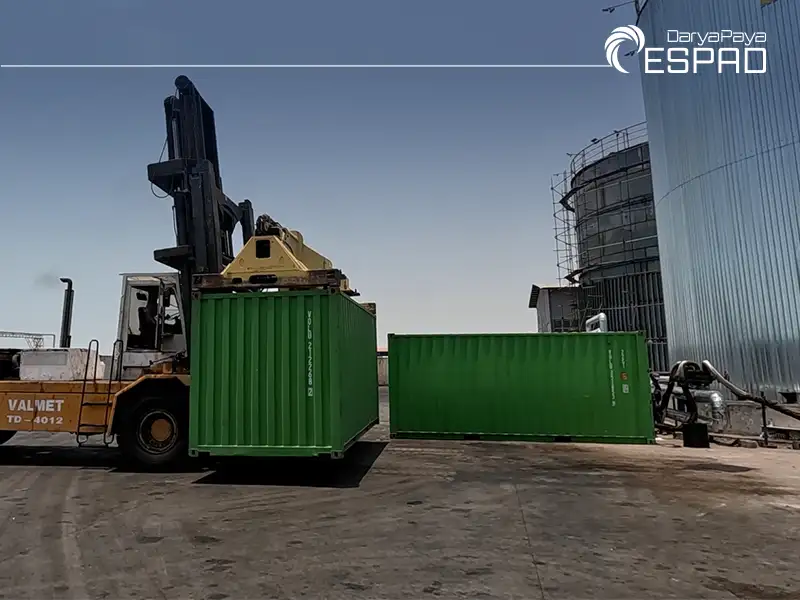
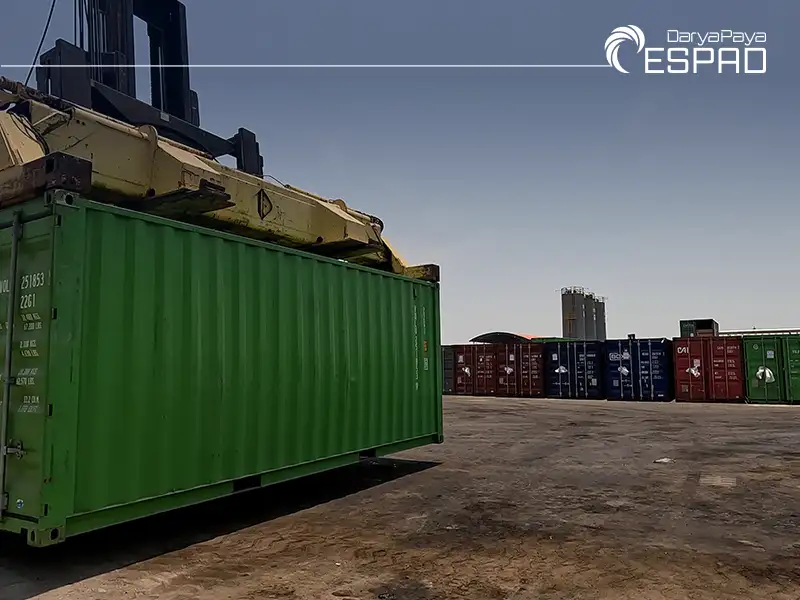
- Drummed or jumbo bag cargo may be loaded into standard or insulated containers.
Given its high volume capacity and cost efficiency over long distances, maritime transport is extensively utilized.
Multimodal Transportation of Iranian Export Bitumen
In certain routes, a combination of road, rail, and sea transport is employed. For example, cargo may be transported by truck or rail to a port, then shipped by sea to the final destination.
While offering route flexibility and potential cost optimization, multimodal transport requires precise coordination across multiple carriers.
Major Challenges in Exporting Bitumen from Iran
Export bitumen logistics involve technical, operational, and regulatory complexities that can increase costs and delay shipments.
Temperature Sensitivity and Specialized Handling
Bitumen solidifies at ambient temperature and requires heating for pumping and discharge. Inadequate infrastructure at origin or destination may result in cooling, discharge delays, or cargo degradation.
Shortage of Standardized Equipment
Limited availability of thermal rail wagons, heated tankers, and specialized containers can lead to scheduling bottlenecks, increased rental costs, and shipment delays.
Customs and Export Restrictions
Frequent regulatory changes, export directives, and licensing requirements may complicate operations. Some importing countries impose specific standards or high tariffs, creating legal and financial challenges for Iranian exporters.
Packaging Deficiencies and Leakage
In drum or jumbo bag shipments, substandard packaging may cause leakage, environmental contamination, and buyer dissatisfaction. Inadequate packaging also increases discharge and cleanup costs.
Infrastructure Constraints at Destination
Certain destinations—particularly Afghanistan, Iraq, or some African countries—lack bulk discharge facilities, requiring alternative packaging or additional logistics expenditures.
Currency Fluctuations and International Freight Costs
Given the high weight and specialized transport requirements, bitumen freight costs are sensitive to fuel pricing and foreign exchange fluctuations. Sudden currency changes can materially impact transaction profitability.
The Role of Specialized Logistics Companies in Bitumen Export
Due to the technical and operational complexity of bitumen logistics, collaboration with specialized transport companies is essential for effective export management from Iran.
These companies possess dedicated equipment and industry expertise to ensure product integrity during transit. Their familiarity with customs regulations and technical compliance requirements enables efficient clearance and minimizes delays.
In multimodal operations, specialized logistics providers can design optimized routes, coordinate multiple carriers, and establish an integrated logistics chain—reducing costs and operational risk.
Additional advantages include consultancy services, cargo insurance coordination, shipment tracking, and structured reporting, which enhance buyer confidence and strengthen the exporter’s global market position.
If you require export bitumen transportation from Iran aligned with professional standards, specialized equipment, and comprehensive operational support, Espad Shipping is your trusted partner. With extensive experience in transporting various grades of export bitumen to multiple destinations, we ensure a streamlined, secure, and efficient export process. Contact us today to benefit from our specialized logistics services.