A Comprehensive Analysis of the Role of Liner Shipping in Global Trade and Supply Chains
Vessels, much like airlines, operate on fixed, pre-scheduled departure times and routes; however, it is also possible to charter private vessels and tailor schedules to specific requirements. In liner shipping services, we operate within a framework of systematic regularity. This article provides a detailed explanation of what liner shipping entails and defines its strategic role within the global supply chain.
What is Liner Shipping?
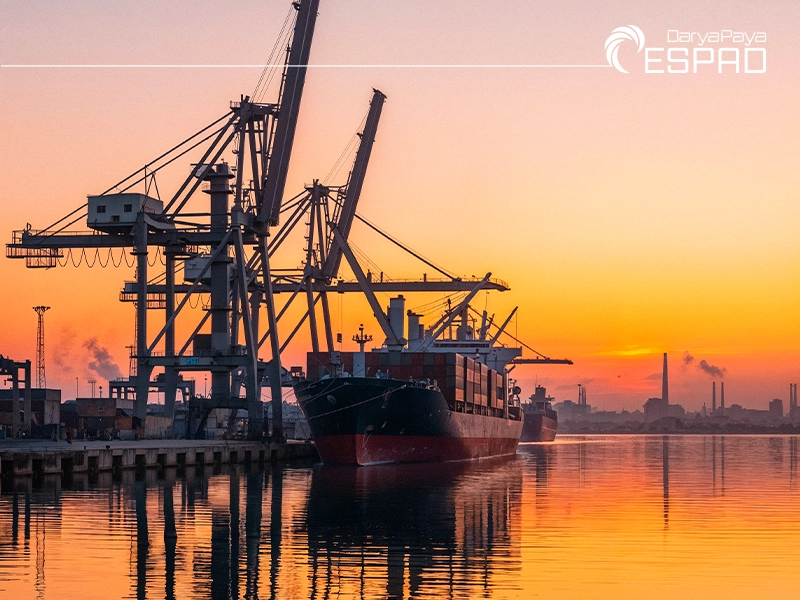
Liner shipping refers to a category of maritime services characterized by high-frequency, scheduled operations. Under this service model, vessels ply specific, fixed routes between designated ports according to a predetermined timetable.
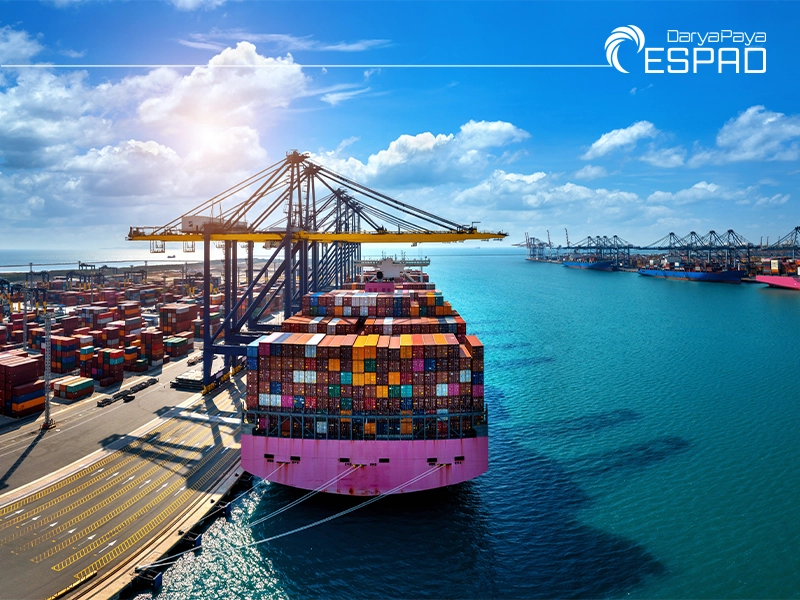
Liner service vessels are predominantly container ships, transporting goods as containerized cargo. This mode of transport is particularly advantageous for small and medium-sized exporters and importers who require precise scheduling and predictable lead times.
Distinguishing Liner from Tramp Shipping
The counterpart to liner shipping is tramp shipping. In tramp services, vessels do not adhere to fixed timetables or predetermined routes. Instead, they are chartered on a spot or voyage basis, with timing, routing, and destination determined through bilateral agreements with the client. This service is primarily utilized for the transport of high-volume bulk commodities, such as grains, coal, and petroleum.
Vessel Types Utilized in Liner Shipping
The liner transport system employs various vessel classes, each engineered for specific cargo profiles. The three most significant categories include:
-
Container Ships:
As noted, liner shipping is synonymous with containerization. These vessels possess the capacity to carry thousands of TEUs (Twenty-foot Equivalent Units) per voyage. Depending on their dimensions, they are categorized into classes such as Panamax, Handysize, and Handymax. The vessel’s size dictates its route viability and port accessibility.
Furthermore, containers vary by type to accommodate specific cargo; for instance, reefer containers for perishables or open-top containers for oversized industrial equipment. This versatility ensures that a vast array of products can be transported via liner services without significant commodity restrictions.
-
Ro-Ro (Roll-on/Roll-off) Vessels:
Ro-Ro vessels are specifically designed for the carriage of wheeled cargo, including automobiles, trucks, and heavy machinery. Instead of vertical loading via cranes, these vehicles are driven on and off the vessel via integrated ramps.
-
Multi-Purpose Vessels (MPVs):
MPVs are deployed when a diverse cargo mix is present. They are capable of simultaneously carrying containers, break-bulk cargo, and project (out-of-gauge) cargo. These vessels are typically utilized on routes with high cargo diversity or in regions with limited port infrastructure.
Advantages of Liner Shipping
While tramp shipping offers flexibility in scheduling, why do cargo owners and logistics providers prefer liner services? The advantages are multifaceted:
-
Cost and Time Efficiency:
Liners operate systematically, often utilizing large-scale vessels to achieve economies of scale. Since vessel space is shared among multiple shippers rather than being exclusively chartered by one entity, significant per-unit cost savings and time efficiencies are realized.
-
Enhanced Supply Chain Planning:
Predictable departure and arrival windows allow shippers to optimize downstream supply chain activities, such as warehousing and inland distribution. This predictability mitigates the risk of unexpected delays, ensures inventory replenishment aligns with demand, and prevents interruptions in production or sales cycles.
-
Increased Cargo Security:
Containerization provides a sealed environment, protecting cargo from environmental factors (wind, rain), mechanical impact, and pilferage. Furthermore, liners follow established, secure maritime corridors, making this a reliable method for transporting sensitive or high-value commodities.
The Role of Liner Shipping in the Global Supply Chain
Statistics indicate that over 90% of global trade is conducted via maritime transport, with liner shipping accounting for a substantial portion of these movements.
This system enables nations to export and import goods through a continuous and predictable process. The regularity of vessel movements allows traders and corporations to implement sophisticated inventory management strategies, such as Just-in-Time (JIT), thereby reducing overhead costs.
Liner shipping has fortified the connectivity between global markets. It has facilitated the development of an expansive network of fixed maritime routes, providing access to nearly every region worldwide. This consistent connectivity is a cornerstone of international trade expansion, ensuring reliable access to raw materials and the timely delivery of finished goods.
Moreover, the containerization inherent in liner shipping has accelerated cargo handling speeds and reduced port stay durations. Large-capacity vessels have further enabled the movement of goods at scale with declining marginal costs. In summary, liner shipping is a critical catalyst for the integration and fluidization of the global supply chain—moving goods from origin (factory) to destination (consumer) with high levels of order, speed, and security.
Espad Darya: Your Reliable Partner in Liner Shipping
As established, liner shipping services—defined by scheduled operations, fixed routes, and precise timing—play a pivotal role in the global supply chain. They empower businesses to transport cargo with confidence and predictability.
Espad Darya Paya, as the nation’s largest private shipping line, leverages this model of systematic transport to provide professional liner shipping services that meet international standards. If you require a secure, integrated, and efficient logistical process, you can rely on the extensive experience and robust infrastructure of this organization to streamline your international trade routes.