Returning Empty Container to Depot
A Practical Guide for Iranian Exporters and Importers
In international trade, many “hidden” costs and operational disputes do not start with the freight rate—they start with seemingly minor details such as where and when an empty container must be returned. One of the most critical checkpoints is the return of an empty container to the depot. At first glance, it may look like a routine operational step. In practice, however, it can directly affect detention costs, the risk of demurrage-related disputes, your working relationship with the shipping line and freight forwarder, the speed of cargo release, and even your production and sales planning.
Many Iranian exporters and importers—especially in the early stages of containerized trade—face practical questions such as:
- What exactly is a “depot”? Is it customs, or a different facility?
- Is the depot owned by the shipping line, the container operator, or the terminal?
- What happens if we return the empty container late?
- Can we return it to any depot, or only a designated one?
- How does the empty-return process differ between import and export shipments?
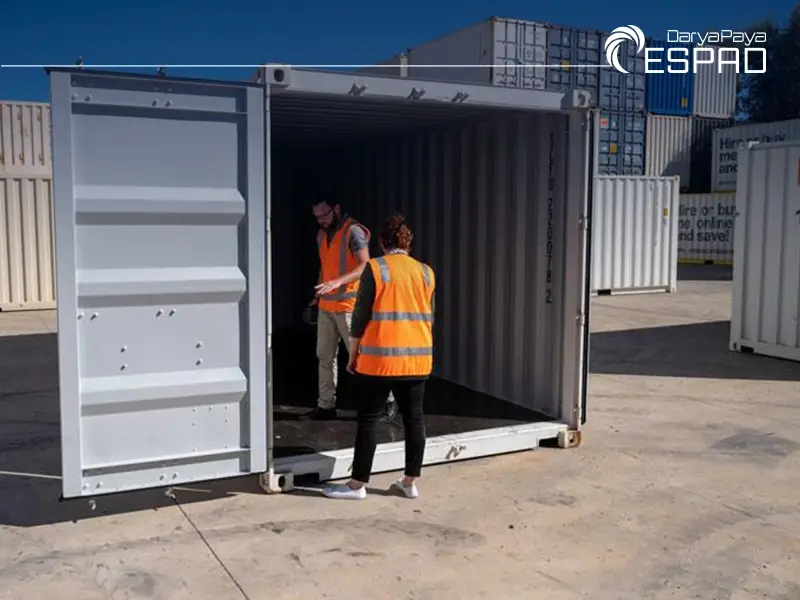
What Is a Depot? A Clear Definition for Iranian Operators
In container logistics, a depot generally refers to a facility that stores, receives, and releases containers. In the Iranian market, when people refer to a “container depot,” they usually mean one of the following:
- a storage yard for empty containers owned by shipping lines or container leasing companies;
- the official location for returning an empty container after import unloading;
- in some structures, the point where an empty container is picked up for export stuffing.
A critical point is this:
A depot is not the same as customs.
Many depots are located in industrial areas, near ports, or in logistics zones, and they differ operationally and legally from customs. Customs is where legal import/export formalities are completed. A depot is an operational facility focused on managing the container asset (empty or, in some cases, full)—its custody, condition, and return.
A simple way to remember the difference is:
- Customs manages the goods.
- The depot manages the container.
They may be close geographically, but they are not the same functionally.
Main Types of Depots in Iran’s Container Market
To understand “returning an empty container to the depot,” it helps to recognize the most common depot structures used in Iran:
Shipping Line / Container Owner Depot
This is the official facility where containers belonging to the shipping line (or the container owner/lessor) are stored and managed. Containers provided to you for export stuffing and containers that become empty after import delivery must be returned—based on the line’s or forwarder’s instructions—to one of these designated depots.
This is central to detention management (the cost related to keeping the container beyond the permitted time outside the terminal). Until the empty container is returned to the designated depot and recorded in the line’s system, the “clock” may keep running.
Terminal-Linked Depot (Within or Adjacent to the Port)
In some ports, depot operations exist inside the terminal area or in dedicated yards closely connected to terminal operations. These facilities may also perform technical services such as basic inspection, cleaning, and minor repairs.
For the Iranian exporter or importer, the practical consequence is straightforward: the depot type determines where you must go, what entry permissions are required, and which reference codes or receipts must be presented.
Private / Contractor-Operated Depots
In some cases, depot operations are managed by private contractors or logistics service providers under agreements with shipping lines. You may be directed to a depot with a third-party name, yet it is still officially accepted by the shipping line and recognized in the carrier’s system as a valid return location.
Depot vs. Customs vs. Container Terminal: Avoiding a Common Iranian Misunderstanding
A frequent misconception in the Iranian market is treating the depot as identical to customs or the container terminal. They are different.
How a Depot Differs from Customs
- Customs: the legal authority handling import/export formalities—declarations, valuation, tariff review, and collection of duties and taxes. The focus is the goods.
- Depot: an operational facility managing the container under the rules of the container owner (shipping line/leasing company). Returning an empty container does not equal completing customs formalities; it is typically a post-unloading operational step.
How a Depot Differs from the Container Terminal
- Container terminal: where containers are loaded to or discharged from vessels and where key port-handling operations occur.
- Depot: may be inside or outside the terminal, but its main purpose is the custody and management of empty containers, including their return, condition, and inventory control.
Understanding these distinctions helps you plan each step correctly—especially time planning and cost control.
Empty Container Return in Imports: What Happens After Unloading?
In an import shipment, after the vessel arrives, the container is discharged, customs formalities are completed, and the cargo is unloaded from the container. At that point, the empty container remains under the consignee’s or domestic carrier’s control and must be returned within a specified period (as defined by the shipping line’s rules and the terms of release).
Key operational points include:
- The shipping line or forwarder typically specifies the return depot in the Delivery Order (D/O) or release notice.
- The permitted free time (Free Detention) is limited; once it expires, daily detention may apply.
- Returning the empty container to the designated depot is what officially closes the usage period and becomes the basis for any cost calculation.
If the consignee returns the container late or to a non-designated depot, typical consequences include disputes over charges, failure to record the return correctly in the line’s system, and, in some cases, damage claims or additional administrative handling.
Empty Container Return in Exports: What Must Be Considered Before Loading?
In exports, the workflow is different, but the empty-container concept remains critical. The exporter usually receives an empty container from the shipping line or forwarder to stuff the cargo at the factory or warehouse. After stuffing, the loaded container is delivered to the container terminal (or, in some structures, routed via a designated depot).
In exports, “returning an empty container to the depot” typically arises in two common scenarios:
- The exporter picked up an empty container but did not use it (for any reason) and must return it.
- Certain specialized, multi-leg, or operationally constrained movements where the container’s positioning and returns involve specific depot instructions (depending on the contract and routing).
In the first scenario, it is important to note: if you pick up an empty container and do not return it promptly—even if the shipment does not proceed—you may still incur detention, because the container remains in your custody.

Why Empty Return Timing Drives Demurrage and Detention Exposure
Two common charges in container shipping are frequently confused:
- Demurrage: charges for keeping a loaded container at the terminal/port beyond the free time.
- Detention: charges for keeping a container outside the terminal (in the consignee’s/exporter’s custody) beyond the permitted free time.
Returning the empty container to the depot is, operationally, the point at which detention stops—provided the return is recorded in the system of the container owner. If free detention has expired and the container is still in your custody, daily costs continue to accrue. Once the empty container is returned to the designated depot and confirmed, the clock stops.
For this reason, empty return is not merely an execution detail; it is a financial decision. In high-volume import files, a one- or two-day delay across multiple units can create a significant total cost.
The Practical Empty-Return Process: From Coordination to Final Confirmation
While procedures vary by port and shipping line, the operational steps are typically:
- Receive the depot details from the shipping line or forwarder (name, address, depot code, working hours, acceptance conditions).
- Coordinate domestic transport to move the empty container to the depot within the allowed timeframe.
- Enter the depot and present container details (container number, type/size, apparent condition, related B/L reference).
- Complete the gate-in/return transaction in the depot system and obtain an official empty-return receipt.
- Where required, send a copy of the receipt (or return reference) to the forwarder or shipping line to ensure central-system closure.
If the container shows visible damage at return or if there is a mismatch in the container number or documents, a damage report or formal record may be issued. In professional practice, these records matter and can prevent later disputes.
Comparison Table: Empty Container Return in Imports vs. Exports
| Criterion | Imports | Exports |
|---|---|---|
| Return timing | After cargo is unloaded and released | Mainly when the empty container is not used and must be returned (or in special structures) |
| Primary purpose | End the consignee’s usage period | End the exporter’s custody/usage period |
| Detention exposure | Direct and common | Less frequent, but important if delays occur |
| Depot role | Official empty return location designated by the line | Official empty return location after pickup at origin |
| Time sensitivity | High due to daily cost risk | Often lower, but can become critical in specific cases |
Common Mistakes Iranian Traders Make When Returning Empty Containers
Several recurring issues in the Iranian market can lead to unnecessary costs and disputes:
-
Assuming responsibility ends once cargo is unloaded
Many importers believe that once the goods are taken out, the container is no longer their issue. In many contracts, responsibility and detention exposure continue until the empty container is returned to the designated depot and recorded properly.
-
Returning to “any nearby depot”
Some operators return empty containers to the closest depot, ignoring the fact that the shipping line has designated a specific return location. Returning to an unrelated depot can delay system registration and trigger disputes over charges.
-
Failing to retain the empty-return receipt
Without an official receipt, proving the return date/time and condition can be difficult if a disagreement arises. In professional documentation control, the empty-return receipt is treated as a key record alongside the B/L and other shipment documents.
How Empty Returns Affect Your Relationship with the Shipping Line and Forwarder
Shipping lines and forwarders treat containers as operational assets. On-time, correct empty returns are viewed as evidence of strong operational discipline. Repeated delays, returns to non-approved depots, or poor cooperation on container condition reporting can negatively affect how a customer is assessed over time.
In constrained service markets—often relevant to Iran—operational reliability can influence future outcomes such as allocation priority, flexibility, and commercial terms.
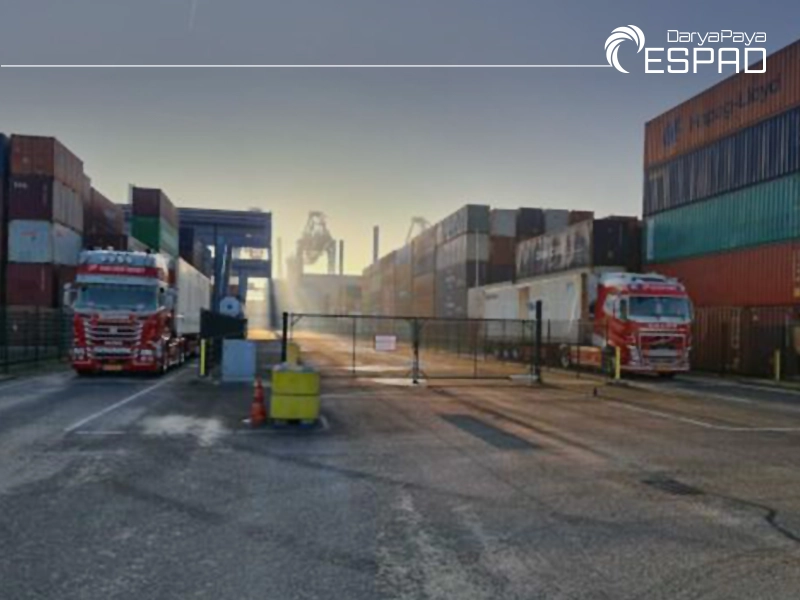
Practical Challenges in Iran: What Typically Causes Delays
Returning empty containers in Iran may involve challenges related to infrastructure and operational management, including:
- Depot distance from the unloading location, consignee warehouse, or industrial area, which increases domestic transport time and cost. Some companies attempt to reduce trucking costs by delaying return or consolidating multiple empties—but that can increase detention exposure.
- Limited depot working hours, which may not align with domestic trucking schedules, customs timelines, or terminal operations, pushing returns into the next day(s).
- Non-centralized information, where depot instructions are communicated informally or inconsistently. In these cases, early confirmation with the forwarder or line agent is essential.
Documentation and Data: What You Must Have at Empty Return
Accurate information matters. Discrepancies in container identification or references can become administrative and financial problems. At minimum, you should have:
- the correct container number (ISO 6346 format);
- the shipping line / container owner identity;
- the related Bill of Lading number (or shipment reference);
- where applicable, the booking reference or domestic transport reference;
- the observed container condition and any visible damage at return.
Most depots register these details in their system and issue a receipt. Retaining this receipt is highly valuable in any later cost review or dispute.
Benefits vs. Risks: Managing Empty Returns Properly
| Aspect | Proper Empty-Return Management | Poor Empty-Return Management |
|---|---|---|
| Detention costs | Controlled and predictable | Significant and unexpected escalation |
| Relationship with carrier | Stronger and more cooperative | Strained; higher likelihood of strict enforcement |
| Dispute risk | Low, supported by clear records | High, especially without receipts |
| Logistics planning | Structured and coordinated | Delays and operational confusion |
| Company professionalism | Reliable and disciplined | High-risk and disorganized perception |
Practical Recommendations for Iranian Exporters and Importers
To ensure empty-container returns do not become a risk point, the following practices are recommended:
-
Clarify detention terms upfront
During rate negotiation or before confirming the shipment, ask precise questions about:
- Free Detention (free days)
- approved depots and return rules
- how delay charges are calculated
Clear terms prevent misunderstandings later.
-
Treat empty return as a core milestone—not a minor task
Operationally, it deserves the same attention as receiving the B/L or completing customs steps. Advance planning for domestic trucking, depot coordination, and unloading/loading schedules based on free time can prevent avoidable costs.
-
Always obtain and retain an official empty-return receipt
This receipt is your primary evidence of return time and status. Store it systematically alongside the shipment file.
-
Document visible damage at the time of return
If there is visible damage, report it immediately and ensure it is recorded formally at the depot. Ignoring damage documentation can result in liability being assigned later.
Ultimately, a professional approach to returning an empty container reflects a broader reality:
The container is part of your logistics value chain. Even if you do not own it, how you use and return it directly signals your operational maturity to carriers and forwarders.
In capacity-constrained markets, that operational credibility can translate into real commercial advantages over time.
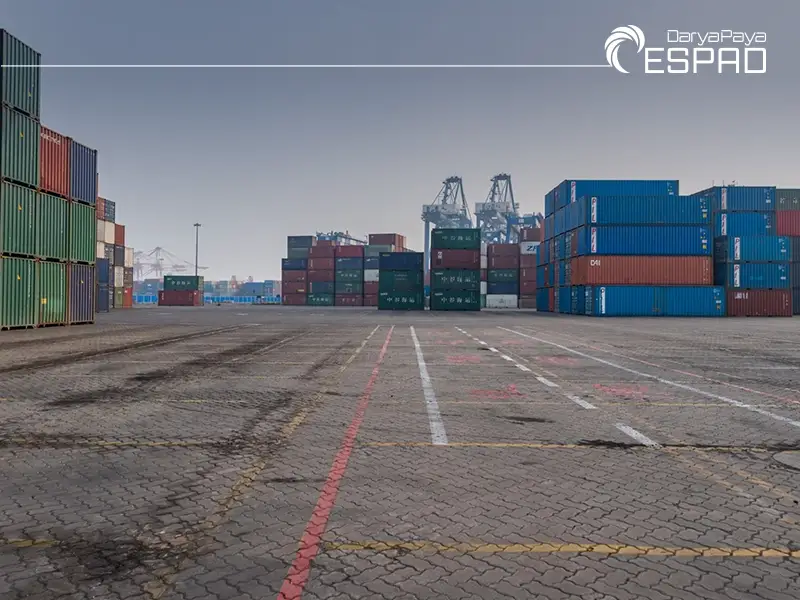
Conclusion
Returning an empty container to the depot may look like a routine step, but it is an integral part of cost control, risk management, and long-term carrier relationships. Understanding what a depot is, how it differs from customs and the container terminal, why the designated depot matters, and how empty return closes the detention period is essential for any Iranian exporter or importer working with containerized cargo.
For companies new to the concept of a depot, mastering these fundamentals enables more effective negotiation with logistics partners, better planning of permissible container usage periods, and tighter financial forecasting. In Iran’s operating environment—where unexpected costs and limited margins can quickly erode profitability—attention to such “small” details is often what separates disciplined operators from costly inefficiencies.
In the end, empty return is not merely an operational action. It is a smart logistics control point. Executed with proper timing, documentation, and coordination, it reduces costs and strengthens your professional standing with shipping lines, forwarders, and business partners.