What Does “Said to Contain (STC)” Mean on a Bill of Lading—and How Does It Affect a Carrier’s Liability?
A Practical, Legal Guide for International Importers and Exporters
In the high-stakes world of international trade and ocean shipping, the wording printed on transport documents can carry near-legal force. Importers and exporters often encounter bills of lading that look perfectly “clean” on their face, only to discover—when a loss occurs—that a few seemingly minor words become decisive.
One of the most common, important, and frequently misunderstood phrases on ocean bills of lading is “Said to Contain,” typically abbreviated as STC.
Many importers fully grasp the significance of STC only after the container arrives at the destination port, the seal appears intact, yet once the doors are opened the cargo inside does not match what was purchased—whether in quantity, weight, or condition. The natural first response is to pursue the ocean carrier for compensation. The carrier, however, may point to three small words on the bill of lading—Said to Contain—and deny responsibility.
Key Concepts: Bill of Lading, Carrier, and Container Seal
To understand STC correctly, it helps to review the foundational concepts that explain why this phrase exists in international shipping in the first place.
1) What is a Bill of Lading (B/L)?
A Bill of Lading is the core document of maritime trade. It typically serves three primary functions:
- Receipt: evidence that the carrier received the goods (or the container).
- Document of title: it may represent control/ownership rights in the goods.
- Evidence of the contract of carriage: proof of the shipping contract between the shipper and the carrier.
If you purchase goods abroad, the bill of lading is the document showing that the shipment has been placed in the carrier’s custody and is en route.
2) Who is the Carrier?
The carrier is the shipping line (or other transport operator) responsible for moving the cargo from the port of loading to the port of discharge. The carrier owes duties of care—but those duties have defined limits, shaped by international conventions and by the terms stated on the bill of lading.
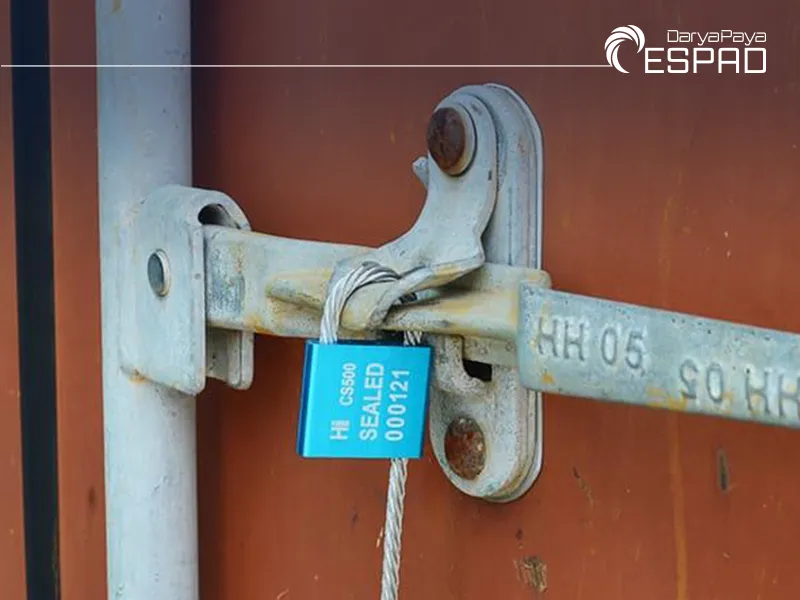
3) What is a Container Seal?
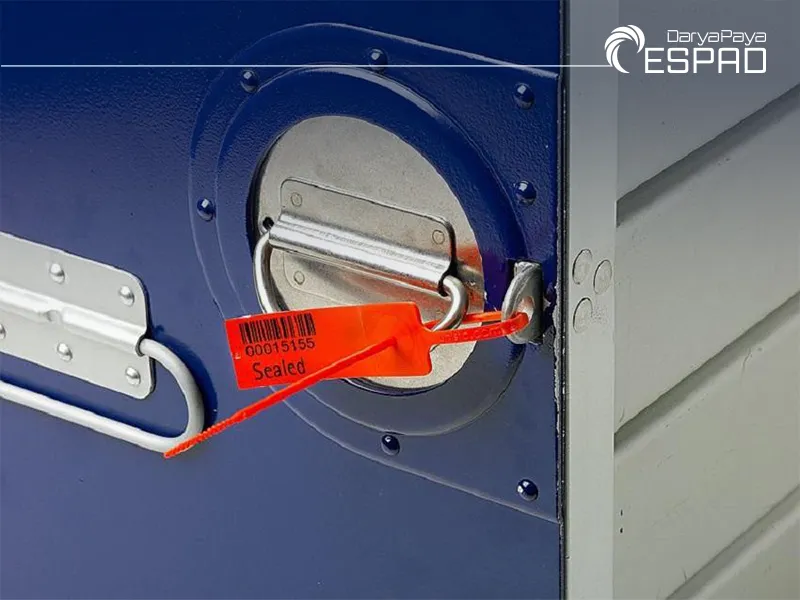
A container seal is a numbered security device placed on a container door after loading. The seal number is recorded in shipping documents, including the bill of lading. The operational purpose is straightforward: to show whether the container was opened during transit.
What “Said to Contain” (STC) Actually Means
“Said to Contain” literally means: “stated/declared to contain …”.
When a carrier prints STC in the Description of Goods section, it is making a critical legal statement to all stakeholders—banks, insurers, authorities, and the consignee:
“I received a sealed container from the shipper. The shipper represented that this container holds (for example) 1,000 cartons of electronic parts. I did not open the container and did not verify the count, weight, or condition of the contents. My obligation is to deliver the container as received, not to guarantee the shipper’s declaration about what is inside.”
You will often see related clauses with similar legal effect, such as:
- “Shipper’s Load, Stow and Count” (SLAC) — indicating the shipper loaded, arranged, and counted the cargo, and the carrier did not participate in that process.
Why STC Exists: The Operational Logic in Container Shipping
Importers often ask: Why doesn’t the carrier verify the cargo? Why does the law allow the carrier to limit liability with a simple phrase?
The answer lies in how container logistics actually work—especially under FCL (Full Container Load) shipments. In an FCL move:
- The shipper collects an empty container.
- The shipper loads and stows the goods at its facility.
- The shipper seals the container.
- The sealed container is delivered to the terminal for loading onto the vessel.
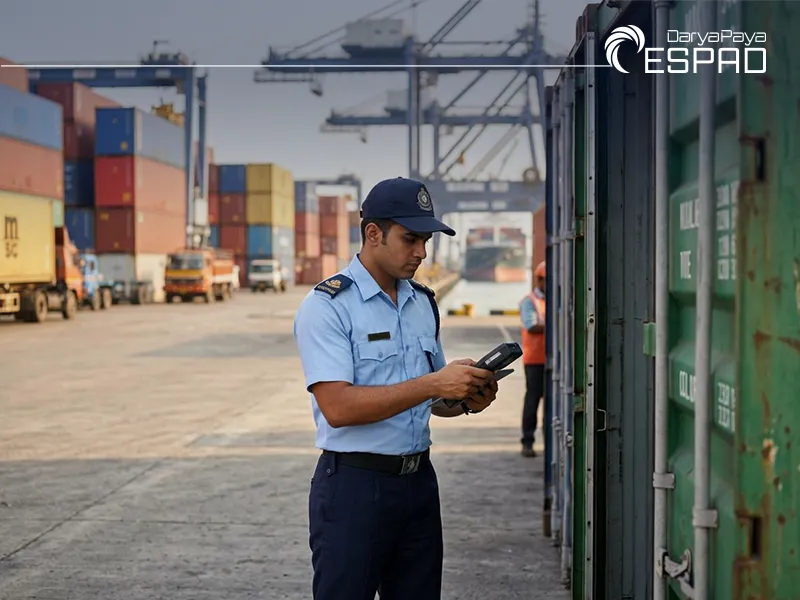
In most FCL flows, the carrier and vessel crew are not present when the container is packed. If carriers were required to open, unload, count, inspect, and reload millions of containers moving through ports, the global supply chain would grind to a halt. International maritime practice therefore allows carriers to limit responsibility for unverifiable internal contents by using clauses like STC.
The Legal Effect of STC on Carrier Liability
International carriage by sea is commonly governed by frameworks such as the Hague Rules, Hague–Visby Rules, and the Hamburg Rules (depending on jurisdiction and contractual terms). Across these regimes, carriers generally owe a duty of reasonable care—but STC affects how liability is allocated in common scenarios.
Scenario 1: The Seal Is Intact at Destination
If, upon arrival:
- the container exterior shows no forced entry or major damage, and
- the seal is intact and matches the seal number stated on the bill of lading,
but the consignee later discovers shortage, substitution, or internal discrepancies, then the carrier is typically not liable for those internal-content issues.
In disputes, STC operates as a strong legal defense: the carrier can argue it delivered the same sealed unit it received. The problem is then attributed to shipper error, misrepresentation, negligence, or fraud at origin.
Scenario 2: The Seal Is Broken, Replaced, or Does Not Match
If the container is delivered with:
- a broken seal,
- a replaced seal (seal number differs from the bill of lading), or
- evidence of tampering/forced entry,
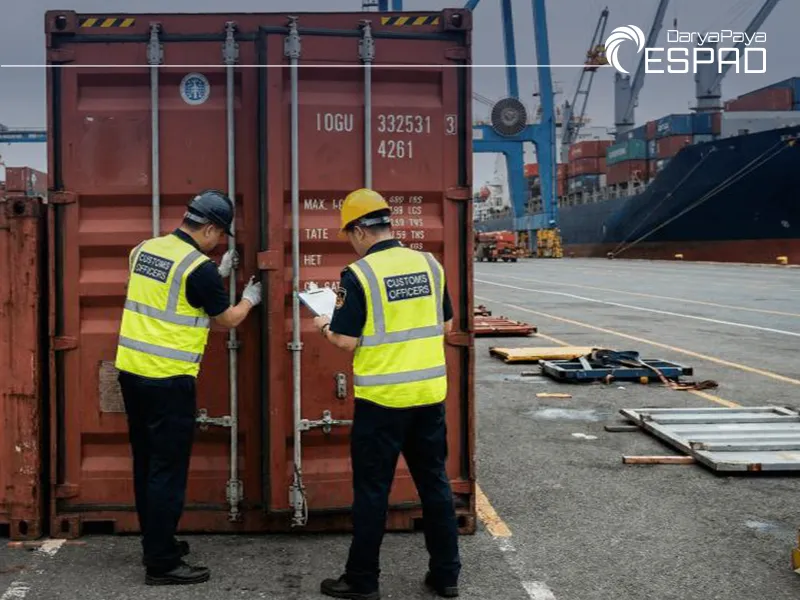
then STC is far less protective. A compromised seal is a strong indicator that the carrier failed to safeguard the shipment (or failed to document lawful interventions), and the carrier may be required to respond for loss or damage—unless it can prove a valid defense (e.g., force majeure events, documented lawful inspections at an intermediate port, etc.) supported by official records.
STC in FCL vs. LCL: Practical Comparison
| Item | FCL (Full Container Load) | LCL (Less-than-Container Load) |
|---|---|---|
| Operational reality | One shipper loads and seals the container. | Consolidator/freight forwarder combines multiple shippers’ cargo. |
| Use of STC | Very common and often standard on ocean B/Ls. | Often less central, because cargo is typically handled and counted at consolidation facilities. |
| Who counts and loads | Shipper (origin seller/exporter). | Consolidator/forwarder (CFS) often verifies pieces and marks. |
| Carrier exposure for shortage | If seal is intact, carrier usually denies liability due to STC. | Liability may shift to the party issuing the LCL document (often the forwarder) for piece-count issues. |
| What customs focuses on | Seal number match and integrity. | Package counts/marks vs. packing list and manifests. |
Common Risks and How to Manage Them (Importer-Focused)
1) Supplier Fraud (Worthless Substitution)
A worst-case scenario is paying a supplier and receiving a sealed container filled with worthless material instead of the contracted goods. The bill of lading may be “clean” and still include STC. If the seal is intact at arrival, the carrier will generally deny liability.
Best mitigation (operationally):
Use Pre-Shipment Inspection (PSI) by an independent inspection firm. The inspector attends loading, verifies quantity/condition, and documents sealing. This reduces reliance on the bill of lading’s wording and creates evidentiary protection if a dispute arises.
2) Customs Disputes Over Shortage
Where customs authorities require strict conformity between declarations and physical cargo, a shortage can trigger serious compliance issues. If customs records show the seal was intact, STC makes it difficult to attribute the shortage to the carrier.
Best mitigation (procedurally):
Immediately document discrepancies through formal shortage/damage reports at discharge and compare origin VGM/weight records with destination weighbridge results to demonstrate where the discrepancy likely occurred.
3) Seal Changes During Transshipment or Inspections
Containers routed via transshipment hubs may be opened for lawful inspections and resealed. If the seal number changes and the change is not documented, disputes intensify—and carrier defenses weaken.
Best mitigation (document control):
Obtain an official seal change certificate (or equivalent inspection report) from the intermediate authority and ensure it is attached to the shipment documentation set.
STC, Letters of Credit (LCs), and Bank Practice (UCP 600)
Many traders worry whether a bill of lading containing STC will be rejected by banks as a discrepancy under UCP 600.
In practice, banks deal in documents, not goods. Standard clauses like “Said to Contain” and “Shipper’s Load and Count” are widely recognized in container shipping and are generally not treated as discrepancies by themselves, as long as the bill of lading is otherwise clean (i.e., no adverse clauses noting damage, leakage, etc.).
That said, STC highlights a key commercial reality: a bank’s compliant payment does not verify cargo truth. If fraud at origin occurred, the bank may still pay against compliant documents. The strongest protection in LC structures is to require an Inspection Certificate (and define the inspection scope clearly) as a condition of payment.
Insurance Perspective: How Cargo Underwriters Treat STC Shipments
Cargo insurers often approach STC shipments cautiously, especially where:
- the seal is intact, and
- the loss appears to involve internal shortage, substitution, or pre-existing damage.
If evidence suggests the cargo was never properly loaded, was misdescribed, or was defective before shipment, insurers may argue the loss is not a transit peril covered under the policy (depending on terms and exclusions). Conversely, if the seal is broken or there is evidence of in-transit intrusion, insurers are more likely to pay (subject to policy terms) and may then pursue recovery from the carrier through subrogation.
Two Practical Case Studies
Case Study 1: Internal Water Damage with No External Impact
A container arrives with an intact seal and no obvious external damage, but the consignee finds moisture damage inside. Even with STC, the carrier can still be liable if the root cause is container unseaworthiness—for example, failed door gaskets that allowed seawater intrusion. STC does not excuse a carrier from providing equipment fit for carriage.
Case Study 2: Weight Shortfall Discovered at Destination
A shipper declares 22 tons; the receiver finds only 18 tons, and the seal is intact. With STC/SLAC and an intact seal, the carrier typically rejects liability, and the dispute shifts to the shipper’s loading/weight declaration—unless strong evidence shows in-transit loss under the carrier’s custody.
Conclusion: STC Draws a Clear Line Between “The Box” and “What’s Inside”
STC is not administrative filler. It is a deliberate legal boundary-setting mechanism:
- The carrier commits to transporting and delivering the sealed container safely.
- The carrier generally does not guarantee the quantity, condition, or identity of the contents that the shipper declared—especially in FCL moves.
For traders, the practical takeaway is straightforward: do not outsource your commercial risk management to bill-of-lading wording. Use enforceable controls such as pre-shipment inspection, reliable counterparties, robust origin loading documentation, accurate seal-number reconciliation, and—where applicable—carefully drafted LC document requirements (including inspection certificates). When the financial exposure is significant, consulting logistics specialists and maritime trade counsel is typically far less expensive than litigating a container dispute after the fact.