What Is the Best Way to Transport Bitumen: Rail or Sea?
Bitumen is widely used in large volumes across industries such as construction and road development. Due to the scale of demand, choosing the right transportation method plays a critical role in reducing logistics costs while improving overall efficiency.
Among the available options, rail transportation and sea transportation are two of the most common and cost‑effective methods for moving bitumen in bulk. The key question, however, is how to choose between them.
In this article from the Espad Blog, we examine the advantages and disadvantages of each method and compare rail vs. sea transportation of bitumen, helping you make a more informed logistics decision.
How Is Bitumen Transported by Rail?
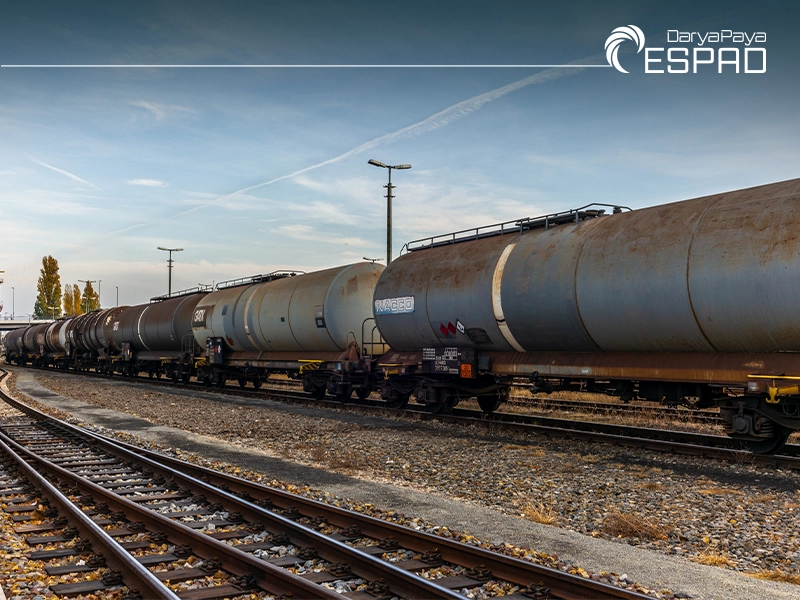
Rail transportation is considered one of the most economical ways to move large volumes of bitumen over long distances. Since bitumen has a semi‑solid nature, it must be heated to a specific temperature before loading in order to become liquid.
Once heated, bitumen can be packed and transported using various types of containers. However, each packaging method has its own advantages and limitations that should be carefully evaluated before shipment.
Common Packaging Methods for Rail Transport of Bitumen
In general, heated bitumen can be loaded into:
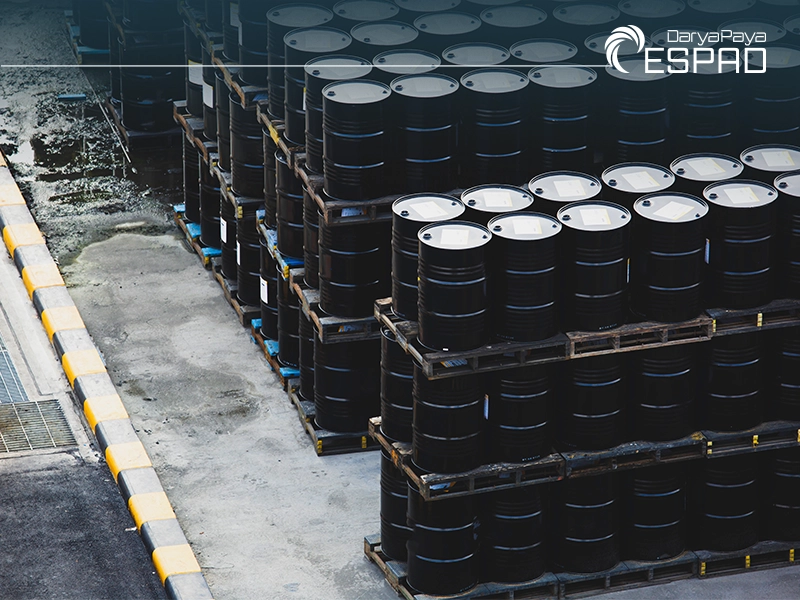
- 180‑kg steel drums
- One‑ton jumbo bags
- Flexitanks
- Rail tankers
One major challenge in rail transport is the long transit distance. During extended journeys, bitumen may cool down and return to a semi‑solid state. This makes unloading more difficult and increases handling costs at the destination.
Bitumen Packaging Options in Rail Transport
Freight trains use various types of wagons, some of which are specifically designed for transporting oil and petroleum products. Since rail transport is cost‑effective for bulk cargo over long distances, it can significantly reduce the overall cost of bitumen logistics.
Rail Bitumen Tank Wagons
The most efficient method for rail transportation of bitumen is the use of heated rail tank wagons. These cylindrical tanks are equipped with heating systems that keep bitumen in liquid form throughout the journey.
Proper insulation prevents heat loss and minimizes energy consumption. Additionally, these wagons reduce the risk of leakage, making them a reliable option for both domestic and international bitumen transport.
Bitumen Containers (Bitutainers)
Bitumen containers—also known as Bitutainers—are another effective solution. They have standardized capacity and allow the transport of different grades of bitumen.
Unlike heated rail tankers, these containers allow bitumen to cool during transit, which helps reduce unnecessary heating costs. For shorter rail routes, bitumen can be transported at higher temperatures so that reheating at destination is not required.
Each container typically carries 25 to 27 tons, and their ability to be fully discharged significantly reduces product loss.
Advantages of Rail Transportation of Bitumen
Transporting bitumen by rail offers several advantages, including:
- Lower cost compared to road transport
- High carrying capacity
- Continuous and uninterrupted movement
- No traffic congestion and timely delivery
- Reduced environmental impact
- Higher safety and lower risk of leakage
- Variety of rail wagons (tank wagons and containers)
- Cost‑effective for long‑distance transport
How Is Bitumen Transported by Sea?
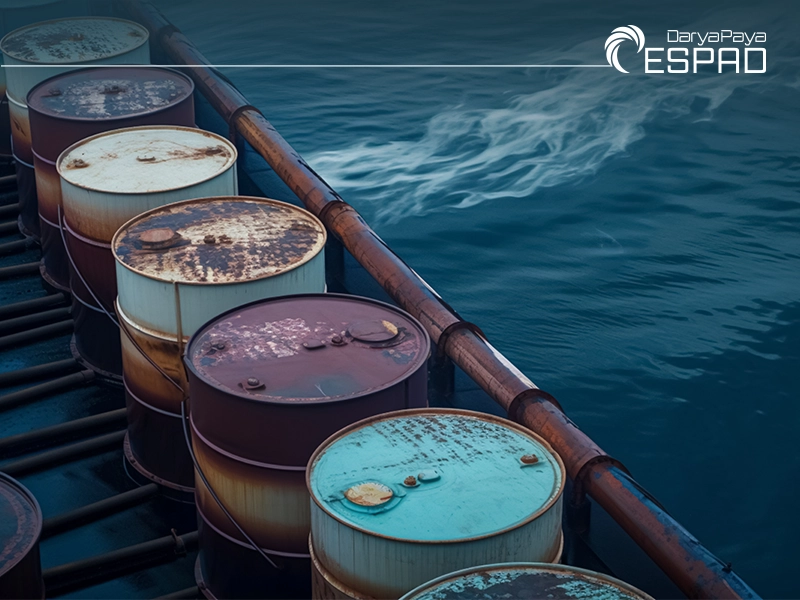
Similar to rail transport, sea transportation of bitumen can also be carried out using various packaging methods, including steel drums, jumbo bags, flexi‑bags, and bitumen containers.
However, the main advantage of sea transport lies in the use of hot bitumen carriers—vessels specifically designed to transport bitumen in bulk.
These ships are equipped with advanced heating systems that keep bitumen hot throughout the voyage. They also offer extremely high capacity, typically ranging from 5,000 to 50,000 tons, making them a game‑changer in bulk bitumen logistics.
Advantages of Sea Transportation of Bitumen
- Ability to transport bitumen in bulk using hot bitumen carriers
- Extremely high capacity compared to rail and road transport
- Ideal for very large shipments (5,000–50,000 tons)
- Access to distant international markets
- Reduced leakage risk with proper infrastructure
- Lower cost per ton as shipment volume increases
- Flexible packaging options (drums, jumbo bags, flexi‑bags, containers, and bulk vessels)
Key Differences Between Rail and Sea Transportation of Bitumen
To choose the best transportation method for bitumen trade—whether regional or international—it is essential to understand the main differences between rail and sea logistics.
Loading Capacity
Freight trains have a limited number of wagons, usually between 100 and 200 wagons per train. Track conditions, gradients, and safety regulations also limit the total length and weight of the train.
As a result, a single freight train typically transports 2,500 to 5,000 tons of bitumen.
In contrast, hot bitumen vessels can carry 5,000 to 50,000 tons in a single shipment. This makes capacity the most significant difference between rail and sea transportation of bitumen.
Transit Time
Rail transport operates at a controlled and moderate speed to ensure safety due to the heavy weight of tank wagons (20–25 tons per unit). While reliable, this speed limitation can affect delivery time.
Sea transport does not face the same structural limitations. In some cases, marine shipping can be faster than rail—especially for long international routes.
On‑Time Delivery
Rail transport is known for its high reliability. Trains follow fixed schedules, face no traffic congestion, and are rarely affected by weather conditions. As a result, delays in rail transport are minimal.
Sea transport, on the other hand, is more vulnerable to unpredictable weather, port congestion, and terminal delays. Therefore, delivery schedules in maritime shipping are generally less predictable.
Transportation Costs
While rail transport is often considered cheaper, this comparison depends heavily on shipment volume.
For equal volumes, rail transport is usually more affordable. However, because hot bitumen vessels carry several times more cargo than rail tankers, the cost per ton in sea transport decreases significantly as volume increases.
As a result, for large‑scale shipments, sea transportation of bitumen often becomes more economical than rail transport.
Rail vs. Sea Transportation of Bitumen: Final Comparison
Rail and sea transportation methods differ significantly, with capacity being the most decisive factor. Specialized bitumen vessels offer capacities far beyond rail capabilities.
- If you are transporting massive volumes, sea transport is the better option.
- If delivery time and schedule reliability are critical, rail transport may be more suitable.
Now that you understand the differences between rail and sea transportation of bitumen, you can choose the most efficient method based on your trade priorities.
For professional guidance and customized logistics solutions, you can consult the experts at Espad Shipping.