What Is the FAS Incoterm? A Comprehensive Guide to Its Application in International Trade
Incoterms are a standardized set of international commercial rules established by the International Chamber of Commerce (ICC), primarily intended to define the responsibilities and obligations of buyers and sellers in international transactions. One of these rules is FAS, which stands for Free Alongside Ship. In this article, we explain everything you need to know about the FAS Incoterm.
Understanding the FAS Term
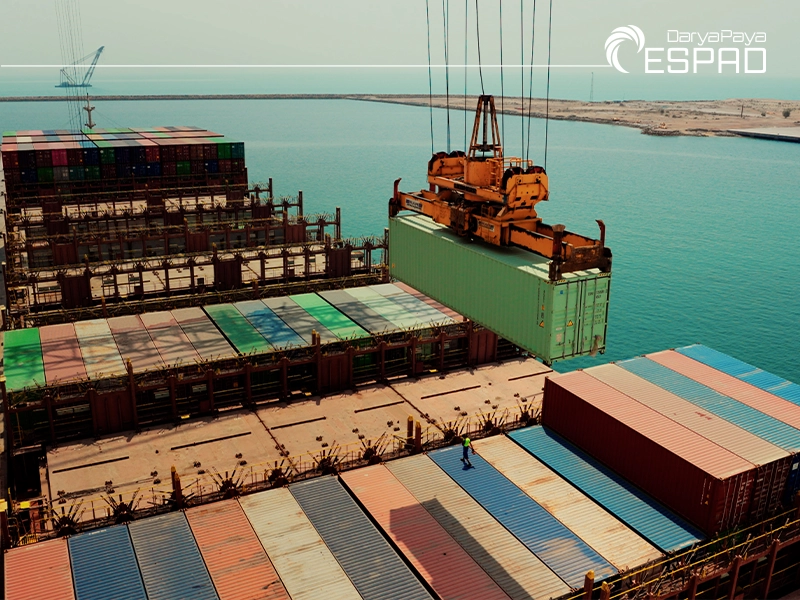
The FAS (Free Alongside Ship) term is used when goods, particularly bulk or non-containerized cargo, are placed directly alongside the vessel at the port of loading. This term is suitable where loading operations are carried out by the buyer or its representative and physical access to the quay is available. The use of FAS in containerized shipping is uncommon, as containerized cargo is generally delivered at the terminal yard rather than alongside the vessel.
Seller’s Obligations Under the FAS Term
The seller’s obligations under the FAS Incoterm are of critical importance, as the seller must deliver the goods at a designated point alongside the vessel at the port of shipment and ensure that the buyer is able to transfer the cargo from that point onto the vessel. The seller’s obligations under FAS are outlined below:
1. Supplying the Goods in Conformity With the Contract
The seller is obligated to provide the goods in accordance with the specifications set out in the sales contract, including quality, quantity, packaging, and related requirements.
2. Appropriate Packaging and Marking
The goods must be packaged in a manner suitable for maritime transportation unless packaging is unnecessary under the contract or falls under the buyer’s responsibility. In addition, the packages must bear the appropriate markings, labels, and cargo identification documents.
3. Completion of Export Customs Formalities
The seller is responsible for clearing the goods for export, including obtaining export licenses, carrying out statutory inspections, and paying export customs duties, taxes, and governmental charges related to exportation. This constitutes one of the principal distinctions between FAS and EXW, as under EXW even export formalities fall upon the buyer.
In Iran, export customs procedures generally include obtaining the DAE code and filing the export declaration through the customs system, both of which are the seller’s responsibility.
4. Delivery of the Goods Alongside the Vessel
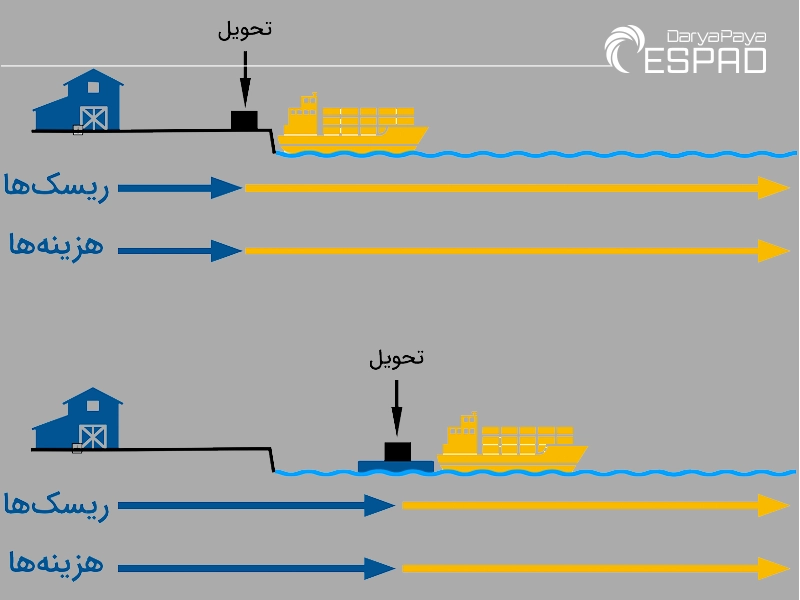
The seller must deliver the goods at the named port and alongside the vessel nominated by the buyer, namely on the quay or loading area adjacent to the vessel. The exact time and place of delivery must be coordinated with the buyer in advance. Delivery at this point means that the seller is not responsible for loading the cargo onto the vessel, but merely for placing it alongside the ship.
5. Notification to the Buyer
The seller must notify the buyer in a timely manner once the goods have been delivered, enabling the buyer to arrange loading operations onto the vessel. If the buyer requires specific information for transportation or insurance purposes, the seller must provide the necessary details.
6. Bearing Costs and Risks Until Delivery Alongside the Vessel
The seller bears all costs and risks relating to the goods until the cargo has been placed alongside the vessel. From that moment onward, all subsequent costs and risks transfer to the buyer.
7. Provision of Documents Required for Delivery and Export
The seller must provide documents such as the Commercial Invoice and export certificates. Where agreed, the seller must also cooperate in obtaining additional documents required by the buyer, such as the Certificate of Origin or inspection certificates.
Under FAS, the seller is not obligated to provide a transport document, such as an Ocean Bill of Lading, unless otherwise agreed contractually. Nevertheless, documents including the Commercial Invoice, Packing List, Certificate of Origin, and export certificates, where applicable, must be furnished.
Buyer’s Obligations Under FAS
Under the FAS rule, the majority of responsibilities transfer to the buyer once the goods have been delivered alongside the vessel. Unlike many other Incoterms, FAS requires the buyer to play an active role in transportation, loading operations, insurance arrangements, and import procedures. The buyer’s obligations under FAS are detailed below:
1. Payment of the Purchase Price
The buyer is obligated to pay the contract price in accordance with the agreed payment terms and schedule.
2. Obtaining Import Licenses and Other Official Authorizations
The buyer is responsible for securing all permits and approvals required for the importation of the goods into the destination country. Such permits may include import licenses, foreign exchange allocations where applicable, standard certifications, health approvals, or quarantine clearances.
3. Vessel Booking and Notification to the Seller
The buyer must select the appropriate vessel, reserve cargo space, and notify the seller in due course of the vessel’s details, arrival schedule, and loading location. Such notification must enable the seller to deliver the cargo alongside the vessel within the agreed timeframe.
The buyer is required to provide details including the vessel name, ETA (Estimated Time of Arrival), berthing location, and precise loading schedule at least several working days prior to the delivery date.
4. Taking Delivery and Loading the Cargo Onto the Vessel
Loading the cargo onto the vessel is entirely the buyer’s responsibility. If the vessel lacks the necessary loading equipment, the buyer must arrange the required facilities for transferring the cargo from the quay onto the ship. Any delays in loading operations shall be borne by the buyer unless caused by the seller’s delayed delivery.
5. Bearing Risks and Costs From the Moment of Delivery Alongside the Vessel
Once the seller has delivered the goods alongside the vessel, all subsequent risks and costs, including damage, theft, or delay, pass to the buyer. The buyer should ensure that adequate insurance coverage is arranged for this stage of transportation, although insurance is not mandatory under FAS.
6. Payment of Freight, Insurance, Discharge, and Import Clearance Costs
All transportation costs from the port of shipment to the destination, including ocean freight, cargo insurance, discharge expenses at the destination port, and import customs clearance costs such as duties, taxes, and inspections, are borne by the buyer.
7. Receipt of Documents and Payment of Related Charges
The buyer is responsible for receiving the documents provided by the seller, including invoices, Certificates of Origin, inspection certificates, and related documents, and for paying any associated issuance or courier charges where applicable.
8. Proper Notification to the Seller in the Event of Operational Issues
Should the buyer be unable to arrange the vessel on time or encounter any issue affecting the receipt of the goods, the buyer must promptly notify the seller in order to prevent potential losses or operational disruptions.
Making an Informed Decision When Choosing the FAS Term
The use of the FAS Incoterm in commercial contracts represents a suitable and cost-efficient option for buyers with experience in maritime logistics who are capable of managing loading operations and import formalities. Under this term, the seller’s responsibility extends only to the point at which the goods are delivered alongside the vessel, after which all risks and costs transfer to the buyer. Consequently, a precise understanding of each party’s obligations, together with effective coordination among the buyer, seller, and shipping company, is essential to the successful execution of such contracts.
In this regard, cooperation with reputable international shipping companies such as Espad Company, which specializes in ocean freight, vessel booking, and customs process management, can provide greater operational assurance for both buyers and sellers. Leveraging its experience and extensive service network, Espad Company has established itself as a reliable partner in the accurate and seamless execution of Incoterms, including FAS.
Accordingly, prior to selecting the FAS term, it is advisable to consult professional advisors in the field of international transportation and benefit from the specialized services offered by Espad Company in order to mitigate hidden operational and commercial risks.