Comprehensive Guide to Maritime Freight: China to Dubai
Due to international sanctions and restrictions on specific imports, Iran frequently utilizes intermediary jurisdictions to facilitate the inflow of essential goods. As direct shipping is often constrained, multi-modal or transshipment strategies are employed. The most efficient logistical framework involves shipping cargo from China to Dubai, followed by subsequent transit to Iranian ports. Given the operational complexities, this article examines the methodologies, strategic advantages, and cost-optimization techniques for the China-Dubai-Iran freight route.
Strategic Rationale for Maritime Shipping: China to Dubai
Importers seeking to optimize supply chain efficiency often evaluate routes beyond direct China-to-Iran services, which may be prohibited or cost-prohibitive. Dubai functions as a pivotal trade gateway to the Middle East. Understanding the strategic value of this transit hub allows stakeholders to make informed decisions regarding routing and final destination logistics.
Utilizing the China-to-Dubai cargo route empowers importers to effectively navigate sanction-related barriers, improve delivery lead times, and optimize terminal handling and clearance costs.
Selecting an Economical Transit Route
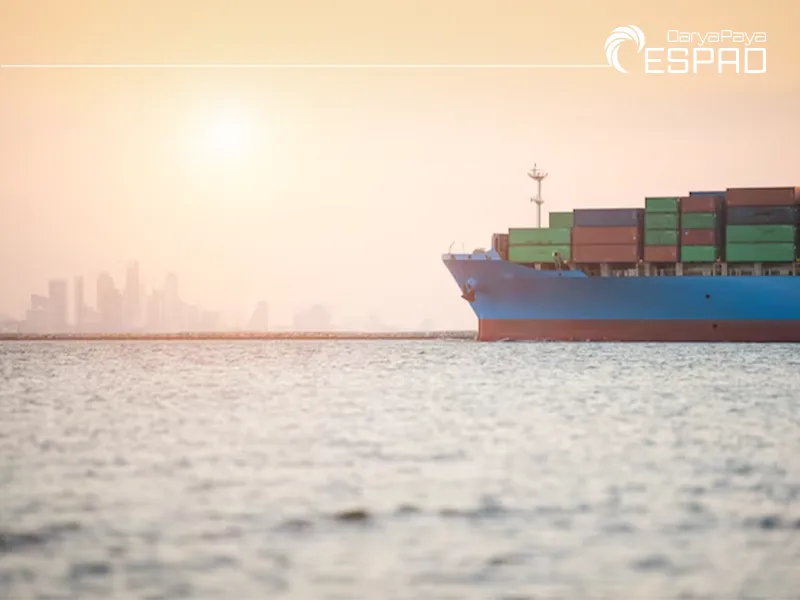
Direct shipping can incur significantly higher operational expenses. To enhance cost-effectiveness, enterprises adopt an indirect transit strategy: cargo is shipped from China to Dubai, processed, and then transshipped via dhows to major Iranian ports.
This import route enhances logistical throughput and reduces overall freight expenditure. By lowering landed costs, businesses can offer competitive market pricing, thereby increasing turnover and profit margins.
Streamlining Customs Clearance Processes
Direct shipments to Iranian ports can entail significant customs overhead and administrative complexity, often resulting in prolonged clearance times and increased demurrage/storage charges.
To mitigate these total logistical costs, traders often route shipments through Dubai. Once cargo is cleared within the Dubai port infrastructure, the subsequent transshipment to Iran via smaller craft (dhows) is often characterized by simplified customs procedures and reduced transit times.
Managing LCL Constraints
In instances where shipment volumes or weights are insufficient for full-container utilization, or where direct LCL (Less than Container Load) services to Iran are unavailable, traders utilize the Dubai transit route to aggregate cargo and overcome regional shipping restrictions.
Trade Restrictions and Sanctions
Intermediary jurisdictions like Dubai serve as critical hubs for bypassing direct trade barriers. This allows traders to secure essential commodities that are otherwise subject to stringent import prohibitions, ensuring the continuity of supply chains.
Primary Commodities Imported: China to Dubai
China maintains a substantial export volume to the Dubai market. Depending on market demand, Iranian enterprises routinely import various goods via this hub, including:
- Electronic equipment
- Apparel (clothing, handbags, and footwear)
- Automotive spare parts
- Home appliances
- Pet supplies
- Lighting equipment
Transit Times: China to Dubai
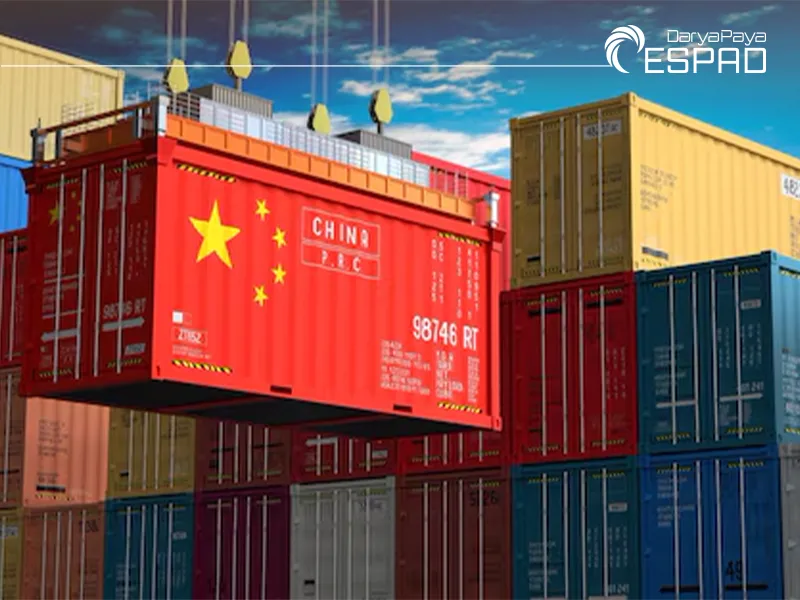
Typical maritime transit times from China to Dubai range between 30 and 40 days. Operational schedules are influenced by various factors, most notably meteorological conditions along the route—spanning the South China Sea, the Strait of Malacca, and the Indian Ocean—where monsoons and tropical storms can disrupt vessel schedules.
Furthermore, port capacity and terminal congestion at both origin and destination hubs impact overall transit speed. High traffic volumes in Dubai can occasionally lead to extended discharge and clearance operations.
LCL Transit Timelines (Estimated)
| Origin Port (China) | Destination Port (Dubai) | Transit Time (Days) |
|---|---|---|
| Zhongshan | Jebel Ali | 23 |
| Shekou | Jebel Ali | 27 |
| Xiamen | Jebel Ali | 30 |
| Shanghai | Abu Dhabi | 30 |
| Guangzhou | Sharjah | 38 |
FCL Transit Timelines (Estimated)
| Origin Port (China) | Destination Port (Dubai) | Transit Time (Days) |
|---|---|---|
| Chiwan | Jebel Ali | 18 |
| Guangzhou | Sharjah | 25 |
| Wuhan | Jebel Ali | 29 |
| Shanghai | Jebel Ali | 30 |
| Ningbo | Sharjah | 36 |
Note: Transit times are highly dependent on specific vessel schedules and port operations.
Freight Cost Determinants
The cost of shipping from China to Dubai is contingent upon several variables:
- Commodity type and value
- Cargo weight and volumetric dimensions
- Sensitivity and handling requirements
- Origin and destination port selection
- Maritime shipping mode and equipment type
- Logistical fees: Loading, terminal handling, customs duties, storage, documentation (B/L), and marine insurance.
Volume is a critical cost driver. Shipments that utilize full container capacity should be booked as FCL (Full Container Load), whereas smaller consignments require LCL (Less than Container Load) services. Availability of equipment and carrier capacity further influence these rates.
Cost Optimization Strategies for China-Dubai Cargo
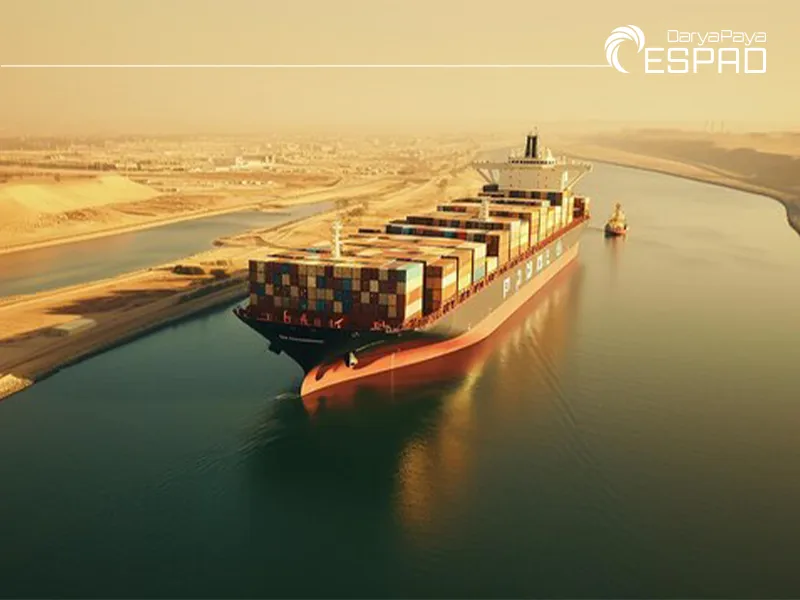
Optimizing container utilization is paramount to reducing landed costs. Importers should conduct precise volumetric and weight analysis to determine the most cost-efficient container configuration.
- FCL: Ideal for consignments filling a 20’ or 40’ container.
- LCL: Necessary for smaller shipments to avoid paying for unused capacity.
Strategic selection of equipment and shipping modes is essential for fiscal discipline in your supply chain.
Partnering with Specialized Freight Forwarders
Due to complex sanction landscapes, managing cargo from China to Dubai and the subsequent transit to Iran requires profound logistical expertise. A professional shipping partner can significantly impact transit times and total costs.
Espad Shipping Company provides comprehensive, professional maritime services, ensuring your cargo is handled safely at Dubai ports and efficiently transshipped to Iran. Contact our team to optimize your logistics operations.