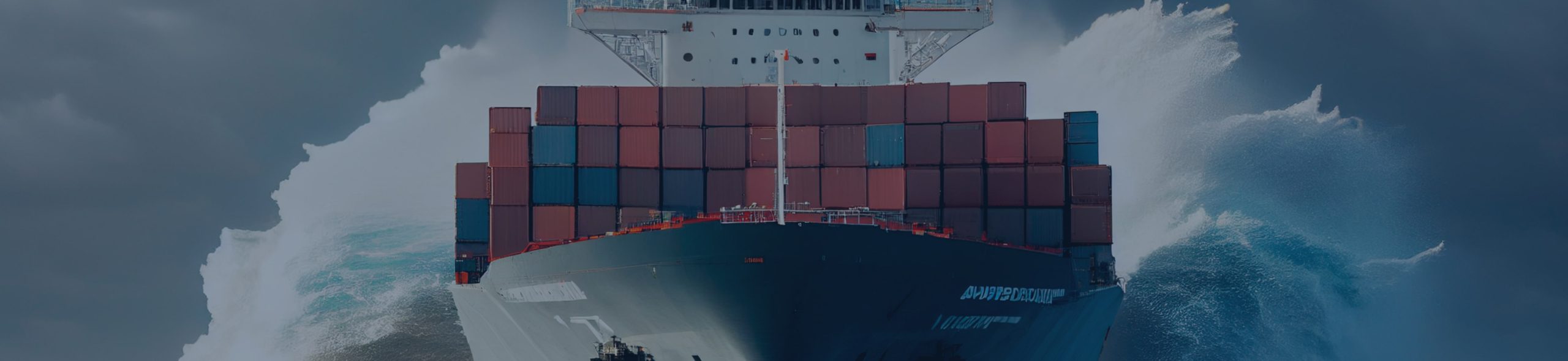
Aging Maritime Fleets, Marine Insurance, and Charter Market Stability
Maritime transportation continues to serve as the foundation of global commerce. A significant share of international trade—raw materials, energy products, manufactured goods, and consumer cargo—moves across ocean routes every day. While many countries possess the geographic advantage of coastal access, sustaining competitiveness in today’s maritime landscape requires far more than location. It demands modern fleets, resilient infrastructure, sound regulatory frameworks, and comprehensive insurance protection.
This analysis explores three interconnected dimensions of the maritime sector: the challenges posed by aging fleets, the current stability of the container ship charter market, and the critical role of marine insurance in safeguarding trade operations.
The Structural Challenge of Aging Maritime Fleets
Rising Average Vessel Age
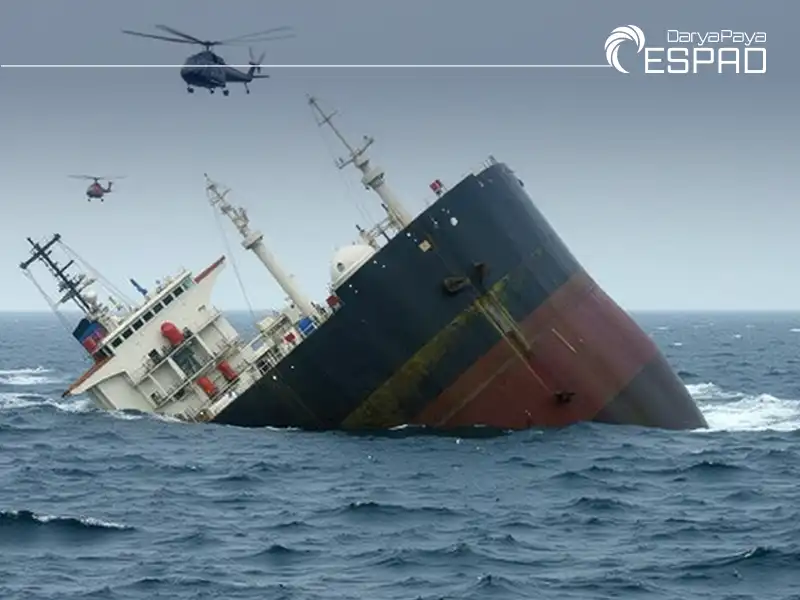
Across various regions, the average age of commercial vessels—particularly tankers, bulk carriers, and container ships—has steadily increased. In many fleets, vessels now exceed 18 to 22 years of service. Within the global shipping industry, ships beyond 15 years of age often face diminishing efficiency, higher fuel consumption, and escalating maintenance costs.
Aging vessels are not merely a technical concern; they represent a strategic vulnerability. Older ships struggle to comply with evolving environmental standards, including emissions regulations and energy‑efficiency requirements. As sustainability benchmarks tighten worldwide, the gap between modern eco‑efficient tonnage and legacy vessels continues to widen.
Economic and Operational Implications
An outdated fleet directly affects trade competitiveness. Higher fuel consumption translates into increased operating expenses. Maintenance downtime disrupts reliability. Insurance premiums may rise due to elevated risk exposure. Collectively, these factors reduce the ability of carriers and exporters to offer cost‑effective and dependable services in global markets.
Moreover, dependence on foreign‑flag or chartered tonnage may increase when domestic fleets lack sufficient modern capacity. This shift can influence freight pricing power and long‑term strategic autonomy in shipping operations.
Pathways to Modernization
Industry experts consistently emphasize several modernization strategies:
- Targeted renewal of container and tanker fleets operating on major trade lanes
- Strategic partnerships with international shipyards for energy‑efficient vessel construction
- Investment in LNG‑powered, dual‑fuel, hybrid, or alternative‑fuel vessels
- Deployment of predictive maintenance systems supported by AI‑driven diagnostics
- Expansion of green port infrastructure capable of servicing next‑generation ships
- Public‑private financing models to accelerate capital investment
Fleet renewal is not merely a technical upgrade—it is an economic strategy designed to secure long‑term competitiveness.
Container Ship Charter Market Stability in Late 2025
Market Indicators and Rate Trends
As of December 2025, the container ship charter market demonstrates notable structural balance. The New ConTex Index registered 1487 on December 11, reflecting a marginal weekly increase of 0.1 percent. Although the index experienced a modest month‑over‑month decline, it remains significantly higher than levels recorded during the same period last year.
This stability is largely attributed to limited vessel availability and the prevalence of long‑term charter agreements. Multi‑year contracts have reduced open‑market tonnage supply, while strong second‑hand market activity has encouraged vessel owners to retain assets rather than divest.
Performance by Vessel Segment
Smaller feeder vessels (1,100–1,700 TEU) have shown minor weekly softening, yet their annual performance remains strong. Mid‑sized vessels (2,500–4,250 TEU) continue to exhibit the highest degree of rate stability, with one‑year charters averaging approximately USD 51,000 per day.
Panamax and post‑Panamax segments reflect moderate fluctuations but no structural decline. Recent multi‑year fixtures by major carriers underscore market confidence and reinforce expectations of rate resilience.
Vision for 2026
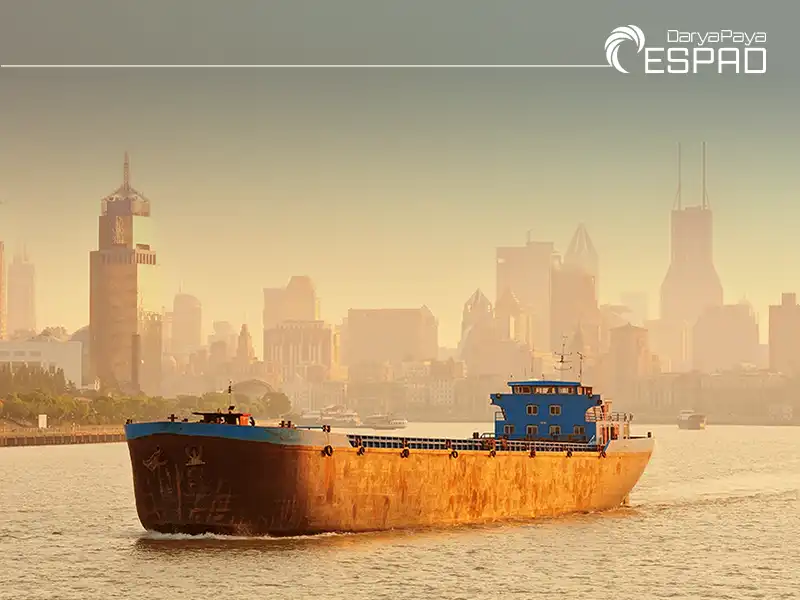
Looking ahead, the Vision for 2026 centers on measured equilibrium rather than volatility. While newbuild deliveries scheduled for 2026 and 2027 will gradually expand supply, demand fundamentals—supported by global trade flows and long‑term charter coverage—are expected to maintain relative balance in the charter market.
Instead of dramatic rate spikes or collapses, industry projections suggest a controlled normalization phase, where disciplined fleet management and strategic contracting will determine competitive advantage.
Infrastructure, Regulation, and the Ocean Economy
Beyond fleet composition, maritime competitiveness depends heavily on infrastructure integration and regulatory clarity. Efficient port operations, digital customs platforms, and seamless rail‑to‑port connectivity significantly reduce transit times and enhance supply chain resilience.
Countries investing in port automation, intermodal transport corridors, and regulatory harmonization are better positioned to capture value from the expanding ocean economy. Modern infrastructure complements fleet renewal and strengthens overall maritime performance.
Marine Insurance as a Strategic Safeguard
The Importance of Risk Management
Shipping inherently involves exposure to environmental hazards, mechanical failures, and third‑party liabilities. Marine insurance provides the financial stability necessary to manage these uncertainties. Without adequate coverage, a single maritime incident can result in substantial financial and legal consequences.
Hull & Machinery (H&M)
H&M insurance covers physical damage to a vessel’s hull, engines, and onboard systems resulting from events such as:
- Severe weather
- Grounding or stranding
- Collision
- Fire or explosion
- Piracy
Standard exclusions typically include ordinary wear and tear, willful misconduct, war risks, and nuclear hazards.
Cargo Insurance (ICC A, B, C)
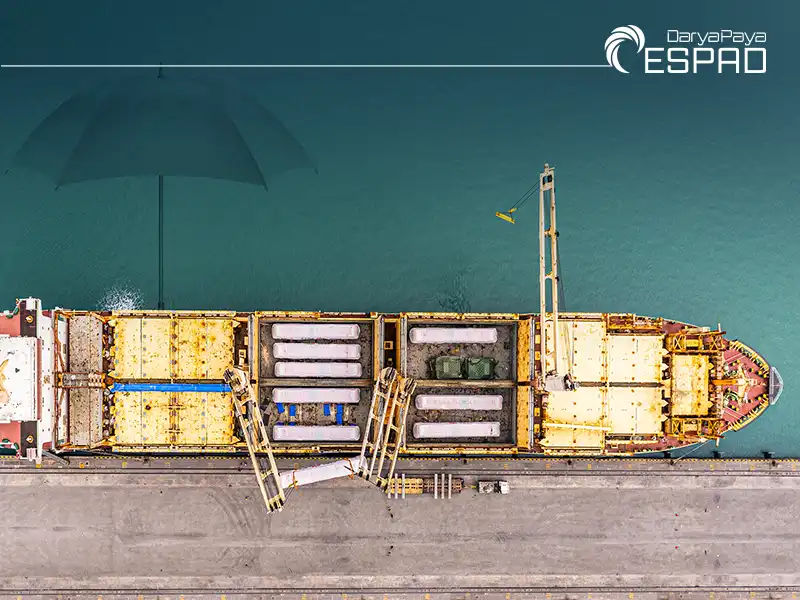
Cargo insurance protects goods in transit:
- ICC A: Comprehensive all‑risk coverage
- ICC B: Named perils coverage
- ICC C: Limited coverage for major incidents
Selecting the appropriate level depends on cargo value, sensitivity, and transit route exposure.
Protection & Indemnity (P&I)
P&I insurance addresses third‑party liabilities, including pollution damage, crew injury claims, and damage to port infrastructure. For vessel operators, P&I coverage is indispensable in managing legal exposure.
Strategic Considerations for Industry Stakeholders
To remain competitive in a shifting maritime environment, stakeholders should:
- Prioritize investment in modern, fuel‑efficient vessels
- Secure long‑term charter agreements to reduce revenue volatility
- Strengthen port and intermodal infrastructure integration
- Develop comprehensive insurance portfolios tailored to operational risk profiles
- Foster collaboration among carriers, insurers, and financial institutions
A resilient maritime sector depends on modernization, disciplined market participation, and proactive risk management. Aging fleets, charter market dynamics, and insurance frameworks are not isolated issues; they are interdependent elements of a broader strategy aimed at sustaining global trade stability.