Stages and Requirements for Bitumen Export to India: Everything You Need to Know
According to the Chairman of the Board of the Iran Bitumen Association, more than 4 million tons of bitumen are exported annually from Iran to various countries, generating substantial foreign currency revenues and significantly contributing to the national economic cycle. The profitability of this trade is undeniable; however, why should this product be exported specifically to India? Are countries such as Turkey, Armenia, or Turkmenistan not better alternatives? In this article, we examine the rationale behind this market choice and outline the advantages and challenges of exporting bitumen to India.
The Importance of Bitumen Exports to India
In recent years, bitumen consumption in India has increased significantly. According to Argus, one of the world’s leading energy and commodities intelligence providers, India consumed approximately 8.8 million tons of bitumen during the 2023–2024 fiscal year, and projections indicate that demand may grow by around 14% in the coming year.
This growth is primarily driven by the rapid expansion of the country’s construction and road infrastructure sectors. The Ministry of Road Transport and Highways of India (MoRTH) alone constructed approximately 12,349 kilometers of highways last year, marking the second-highest record in the country’s history.
More than 40% of India’s bitumen demand is supplied through imports. The principal suppliers include Iran, Bahrain, and the United Arab Emirates. Consequently, the Indian market represents a highly attractive opportunity for companies seeking to expand their bitumen export operations.
But what advantages does this trade offer for Iran?
From a geographical perspective, Iran is located relatively close to India, enabling efficient maritime transport of bitumen from southern Iranian ports such as Bandar Abbas directly to Indian ports. This proximity reduces freight costs and shortens transit times. However, to fully capitalize on this logistical advantage, further development of port infrastructure and maritime transport capacity remains essential.
It should also be noted that political and economic relations between Iran and India are generally stable, which facilitates smoother export procedures with fewer regulatory barriers.
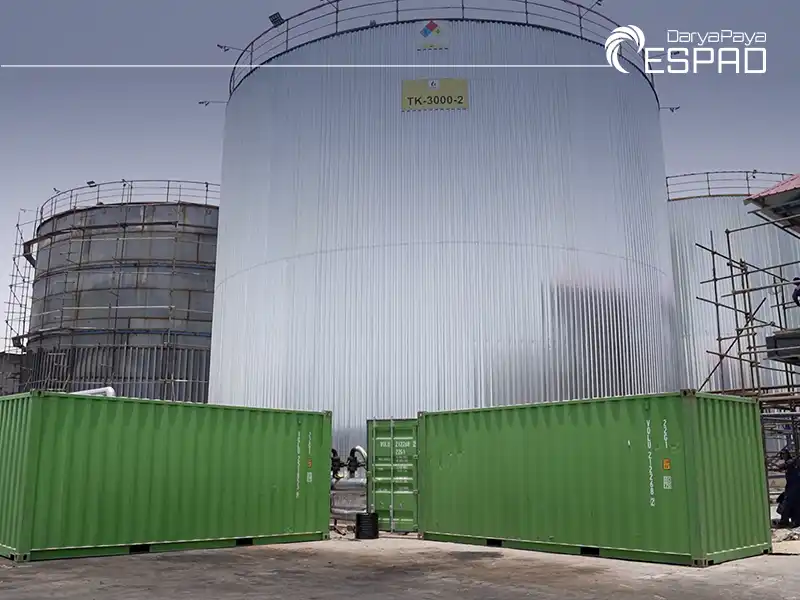
Stages and Operational Processes of Exporting Bitumen to India
Exporting bitumen to India involves a multi-stage operational process. Familiarity with these stages enables exporters to enter the market with better planning and greater operational efficiency.
1. Order Placement and Commercial Agreement
The process begins with securing a purchase order from Indian construction companies, road contractors, or trading firms. The order specifies key parameters such as the bitumen grade (e.g., 60/70 or 80/100), quantity, packaging type, final destination, and delivery schedule. At this stage, the parties must also reach agreement on pricing, payment terms, and delivery conditions, typically under Incoterms such as FOB or CIF.
2. Procurement and Cargo Preparation
Once the order is finalized, the exporter must source the bitumen from the designated refinery or storage facility. Bitumen exported to India must comply with Indian national standards (IS) as well as international standards such as ASTM.
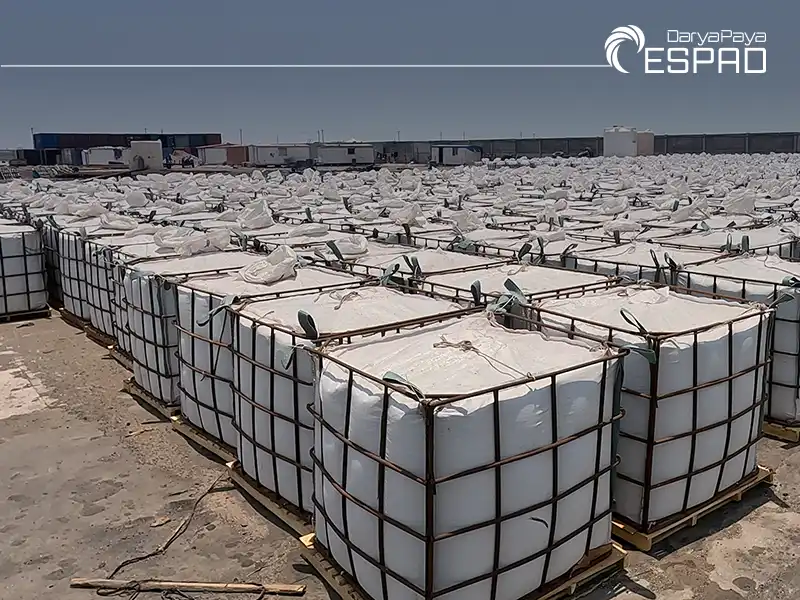
Accordingly, comprehensive quality control tests should be conducted to verify compliance with these standards in order to avoid acceptance issues upon arrival in India. The cargo is then prepared for shipment using appropriate packaging methods such as steel drums, bitumen drums, jumbo bags, or bulk shipment.
3. Loading at Export Ports
At this stage, the cargo is transported to one of Iran’s major export ports such as Bandar Abbas, Imam Khomeini Port, or Bushehr Port. Prior to export clearance, shipment details must be registered in the EPL customs system, required export permits must be obtained, and the cargo must be sealed under customs supervision.
Depending on the shipment type, the cargo is then loaded onto container vessels or tanker vessels.
4. Maritime Transportation to India
Once loaded at the Iranian port, the bitumen shipment proceeds by sea toward India. The most common route for bitumen exports runs from Bandar Abbas to major western Indian ports such as Nhava Sheva (JNPT) and Mundra. This route is both geographically efficient and supported by well-developed port infrastructure.
Some companies also utilize multimodal transport routes, such as the International North–South Transport Corridor (INSTC), which connects ports like Bandar Abbas or Chabahar with commercial hubs in Mumbai and Gujarat.
Transit time depends on factors such as distance between ports, weather conditions, and the selected shipping route, making it difficult to determine a fixed delivery timeframe. During transit—particularly when bitumen is transported in bulk—temperature control is critical, as excessive cooling or overheating can compromise product quality. Continuous coordination with the shipping company is therefore necessary to monitor cargo conditions throughout the voyage.
5. Arrival at Indian Ports and Transfer to Final Destination
Upon arrival at an Indian port, the cargo is discharged. Depending on the contractual agreement with the buyer, the bitumen may either be delivered directly to the buyer’s storage facilities or temporarily stored in bonded warehouses pending customs clearance.
For the formal import of bitumen into India, obtaining an import authorization from the Directorate General of Foreign Trade (DGFT) is mandatory. This authorization is typically secured by the Indian buyer or their authorized representative, and without it, customs clearance at Indian ports is not permitted.
The licensing process generally involves submitting an application through the DGFT online system, using the Importer Exporter Code (IEC). Required documentation includes commercial purchase documents, technical specifications of the product, and laboratory documentation such as the Certificate of Analysis (COA) and bitumen quality reports.
Depending on the bitumen grade and intended application, additional approvals from authorities such as the Bureau of Indian Standards (BIS) may also be required.
For this reason, exporters are strongly advised to ensure full coordination with the importer and confirm that all required permits have been secured prior to shipment, thereby avoiding delays or penalties during the clearance process at the destination port.
Customs Clearance and Final Delivery
Finally, the buyer or their authorized customs broker completes the customs clearance process by submitting the required documentation. These documents typically include the commercial invoice, bill of lading, certificate of origin, and quality or standards certificates.
After payment of customs duties and applicable taxes, the shipment is released and transported to the final point of consumption, usually for use in road construction or infrastructure development projects.
Key Considerations for Shipping Bitumen to India
Several operational considerations must be observed during the transportation and storage of bitumen in order to maintain product integrity throughout the supply chain.
Maintaining Appropriate Transport Temperature:
Bitumen must be maintained at approximately 180–220°C to remain in a liquid state. If the temperature drops below this range, the bitumen solidifies, making discharge difficult or even impossible.
To regulate temperature in tanker units, steam heating systems or thermal sensors are commonly used. These tankers are also equipped with high-capacity pumping systems to enable efficient and loss-free discharge operations.
Ensuring Transport Safety:
Because bitumen is transported at elevated temperatures, it is classified as a hazardous cargo. Therefore, appropriate safety equipment must be used, and personnel involved in handling and transport operations must receive proper training.
Compliance with Packaging Standards:
Bitumen packaging must conform to international safety and transport standards and be compatible with the selected transport mode. Proper packaging prevents leakage and ensures that product quality remains intact throughout transit.
Espad Darya: A Reliable Partner for Bitumen Exports to India
Successful bitumen exports to India depend significantly on the operational performance of the shipping and logistics provider. The use of modern and appropriate equipment, precise temperature control, skilled operational personnel, and strict adherence to safety standards are all essential for maintaining cargo quality and preventing potential losses.
For this reason, Espad Darya Shipping Company can play a decisive role in facilitating the export process. With its operational experience, well-equipped fleet, and strong expertise in South Asian maritime routes, the company enables exporters to deliver shipments to the Indian market with greater security, faster transit times, and more competitive costs. If you require professional consultation for exporting bitumen to India, you can rely on the expertise of Espad’s specialists.