Navigating FCL and LCL Shipping: Key Differences and Operational Insights
In maritime logistics, two primary methods are utilized for transporting containerized cargo: FCL (Full Container Load) and LCL (Less than Container Load). Shipping lines recommend one of these modes based on the specific characteristics of the consignment, including volume, weight, and dimensions. Both methods present distinct advantages and operational constraints that must be meticulously evaluated prior to selection.
LCL shipping is tailored for smaller consignments where the cargo volume does not justify the use of an entire container. Conversely, FCL shipping is deployed for shipments that occupy the full capacity of a container. Understanding the nuances between these two modes is critical, as the choice directly impacts the total landed cost and supply chain efficiency. In this article, provided by the Espad Shipping blog, we define both methods and analyze their fundamental differences.
What is FCL Shipping?
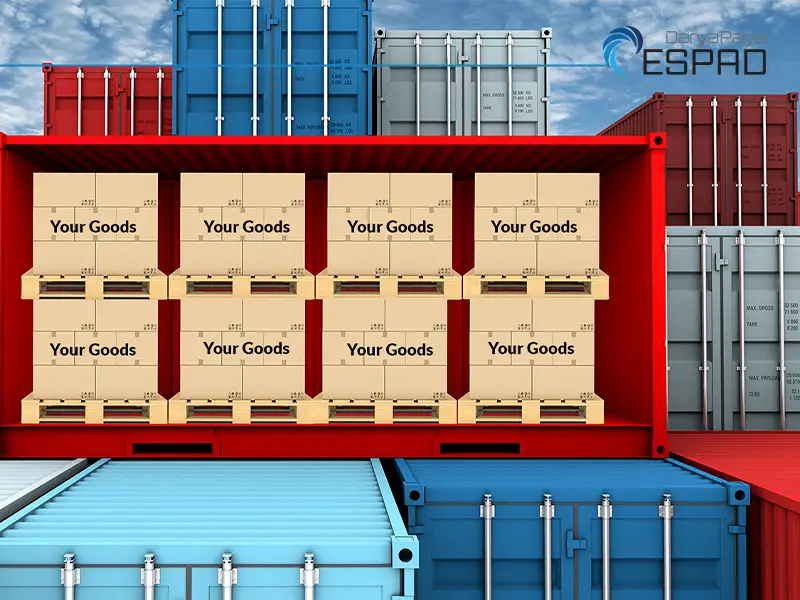
FCL stands for Full Container Load. As the terminology implies, the shipper or seller utilizes the entire capacity of the container and bears the cost for the full unit. Consequently, in a 20-foot or 40-foot container, only the cargo belonging to a single shipper is loaded.
Because the entire container is dedicated to one consignor, it is often referred to as “exclusive use” shipping, as the shipper effectively leases the container’s total cubic capacity.
The container size (typically 20ft or 40ft) dictates whether this mode is the most efficient choice for cargo movement. Most enterprises opt for FCL when they have sufficient volume to achieve high container utilization.
What is LCL Shipping?
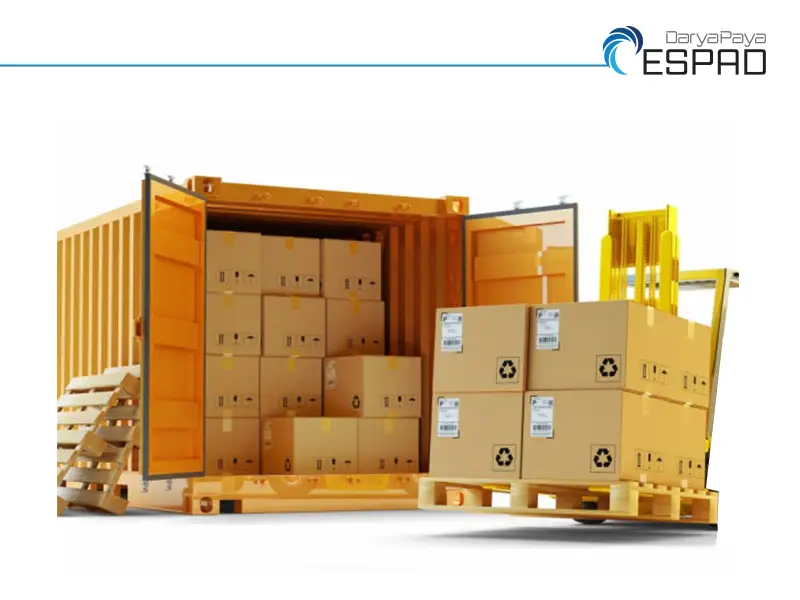
LCL stands for Less than a Container Load. In this maritime transport mode, the consignment occupies only a fraction of the container’s total capacity. The remaining space is consolidated with cargo belonging to other shippers or sellers.
Operationally, if a shipment is low-volume—consisting of only a few cartons or a single pallet—LCL serves as an excellent option for cost optimization, as there is no requirement to lease an entire container. This method is frequently referred to as “shared shipping” or “consolidation” (Groupage), where container space is partitioned among multiple shippers.
Key Differences Between FCL and LCL
The decision-making process for choosing between these two modes extends beyond mere cost or dimensions. Numerous operational variables influence the optimal choice. It is vital to examine the following factors to distinguish between FCL and LCL effectively.
Cargo Security and Integrity
Many businesses prioritize FCL transport to ensure maximum cargo security. Since the container holds goods from only one shipper, the consignor maintains full control over stowage, lashing, and cargo arrangement. This mitigates the risk of “cross-contamination” or damage caused by the improper packaging or hazardous nature of another party’s goods.
While the risk of damage, theft, or loss is minimal when utilizing a reputable maritime carrier, FCL remains the preferred choice for high-value or fragile shipments due to reduced handling.
Transit Speed and Lead Times
When container capacity is shared among multiple consignments, processing times inevitably increase. The time required for consolidation (at origin) and de-consolidation (at destination) makes LCL lead times significantly longer than FCL. Furthermore, in LCL shipping, each shipper must wait for the consolidation of all other shipments before the container can be gated into the terminal. FCL cargo, by contrast, arrives at the port and is loaded as a single unit, bypassing the waiting period for third-party cargo completion.
Operational Flexibility
If a shipment needs to be segmented for delivery to multiple final destinations, LCL is often the superior strategic choice. LCL offers greater flexibility compared to FCL in distributed logistics.
LCL allows a shipper to split a large order across several shared containers destined for different ports. This approach can reduce downstream costs related to warehousing, handling, and sorting upon arrival at the Port of Discharge (POD). For instance, when shipping to the United States, LCL can be used to categorize cargo into containers bound for specific regional hubs, saving both time and inland haulage costs.
Delivery Schedules
In FCL shipping, delivery timelines are generally shorter and more predictable. The shipper manages the loading and customs formalities independently without being tethered to other parties. In LCL shipping, lead times are extended because the container’s release depends on the documentation and customs status of every seller sharing the space. Consequently, LCL may not be suitable for time-critical or “Just-in-Time” (JIT) supply chains.
Maritime Freight Costs
Contrary to common perception, FCL is not always more expensive than LCL. Freight forwarders and carriers often quote LCL rates based on CBM (Cubic Meter) or weight, whichever is higher.
Depending on the total volume and the specific freight rate per CBM, the total cost of an FCL unit may actually be lower than the cumulative LCL charges for the same volume. It is essential to perform a cost-benefit analysis of the per-CBM rate for both modes before booking. In some instances, shippers choose FCL even for partially filled containers to maintain exclusivity and avoid the administrative overhead of LCL.
Ultimately, for small palletized loads or loose cartons, LCL is typically the most economical route. However, as the volume approaches the “break-even point” (usually around 15-20 CBM for a 20ft container), FCL becomes the more cost-effective solution.
Cargo Sensitivity
Highly sensitive goods requiring specific environmental controls or specialized handling are best suited for FCL. Sharing container space in an LCL environment introduces variables that could jeopardize the integrity of sensitive cargo. For such requirements, LCL is rarely recommended.
Capacity Availability
In many scenarios, shippers opt for LCL due to equipment availability. During peak seasons (e.g., the period leading up to Chinese New Year), FCL container equipment and vessel space experience surged demand and tight capacity. During these bottlenecks, LCL space is often more readily available through consolidators.
Shipping Volume (CBM)
Volume is the primary determinant in the FCL vs. LCL debate. Volume is measured in cubic meters (CBM) or cubic feet (CFT). LCL is the logical choice for SMEs (Small and Medium Enterprises) with lower international trade volumes.
As a general rule of thumb, once a shipment exceeds 10 standard pallets, it is usually more economically and operationally sound for both the shipper and the consignee to secure a full container (FCL).
Conclusion: Choosing the Optimal Maritime Solution
Selecting the right maritime transport mode requires a balance of volume, dimensions, budget, and urgency. While LCL is the go-to for smaller, non-urgent consignments to minimize costs, FCL offers the speed, security, and dedicated capacity required for larger operations.
Espad Shipping, as the nation’s largest private shipping line, provides comprehensive solutions for both FCL and LCL requirements. Whether you are managing complex international trade routes or boutique imports, you can request a specialized freight quotation directly via our homepage to optimize your maritime logistics.