verything You Need to Know About Cross Stuffing:
Definition, Operational Uses, and Benefits
Cross stuffing is a practical, operations-driven solution in ocean freight that helps businesses maintain cargo flows under sanctions, regulatory constraints, or routing limitations. It reduces operational bottlenecks across the supply chain and provides additional flexibility in network design. In this method, cargo is physically transferred from one container (and often one vessel or carrier) to another while en route to its final destination. In the following sections, we will explain what cross stuffing is, how it is operationally deployed, and what the main execution steps are.
What Is Cross Stuffing?
Cross stuffing is an operational process within the international supply chain whereby cargo is transferred from one container, vessel, or carrier to another for political, commercial, or logistical reasons, without the cargo entering the customs territory of the final country of destination. This operation is typically conducted in free zones, bonded areas, or major transit hubs.
In ocean freight, cross stuffing is usually carried out at an intermediate or hub port (often in a third country). At this port, the cargo is discharged from the original container and restuffed into a new container, often on a different vessel or shipping line, so that it can continue its journey towards the final destination. For this reason, this method is sometimes also referred to as “container substitution” or “container exchange”. Cross stuffing is implemented whenever, for any reason, a direct, single-carrier shipment to the final destination is not commercially, politically, or operationally feasible.
Operational Uses of Cross Stuffing
Cross stuffing is primarily adopted as an operational workaround to overcome technical, regulatory, or infrastructural constraints in ocean transport. Typical use cases include:
-
Insufficient port infrastructure or handling capacity at the destination:
When the mother vessel is too large, or the destination port lacks the required draft, berth capacity, or stevedoring equipment, direct calls are not feasible. In such cases, the cargo is discharged at a hub port, split into smaller lots if needed, and loaded onto smaller feeder vessels that can physically call at the final port.
-
Sanctions, restrictions, or political tensions:
When the country of origin or destination is subject to sanctions, war, or political tensions, many liner operators may refuse to call directly at its ports. In these situations, cargo is first routed to a third-country port and, after cross stuffing, is forwarded from there to the final destination under a different flag, carrier, or documentation pattern.
-
No direct service or route between origin and destination:
In many trade lanes, there is no single direct service connecting the port of loading to the final port of discharge. When using a single carrier end-to-end is not possible or not optimal, cross stuffing allows the shipper or freight forwarder to transfer cargo mid-route to another line, vessel, or service to complete the journey.
Operationally, cross stuffing increases routing flexibility, enables network reconfiguration, and creates additional options for shippers and forwarders to bypass constraints and secure capacity so that cargo can still reach its ultimate destination.
The Importance of Cross Stuffing in Iran
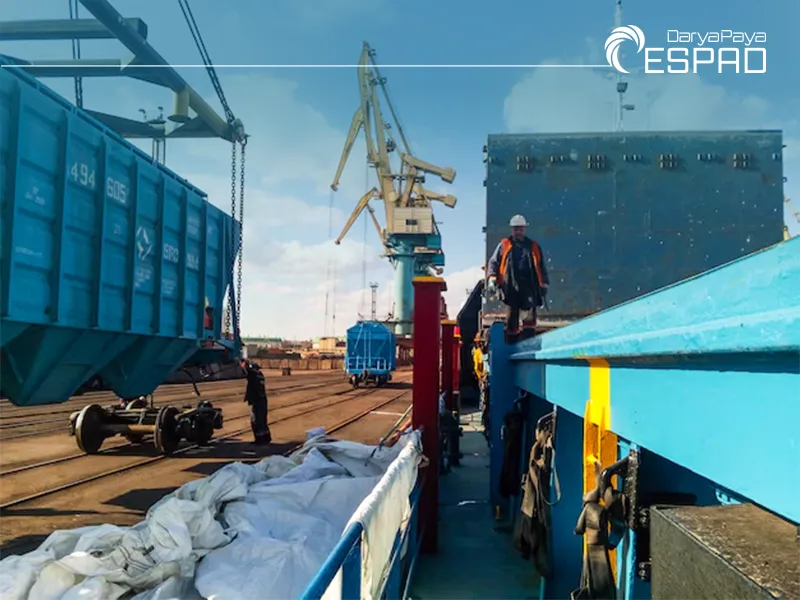
In the Iranian context, cross stuffing is widely used as an operational tool to circumvent economic and political sanctions and maintain continuity of trade flows. Direct shipment of certain cargoes to and from Iran is often restricted or commercially unattractive; as a result, foreign vessels discharge their cargo at an intermediate hub, from which it is then routed onward to Iranian ports.
The reverse pattern is also common: Iranian-related cargo may be discharged at a third-country port, cross stuffed, and then shipped onward to the final destination under a different carrier, flag, or documentation structure. In this way, exposure to sanctions and related risks is managed or reduced at the operational level.
Where Does Cross Stuffing for Iran Take Place?
In the Middle East region, two major regional hubs serve as key platforms for cross stuffing operations related to Iran:
- Jebel Ali Port (UAE)
- Mersin Port (Turkey)
Cargoes that cannot move directly into or out of Iran are first routed to these ports. After discharge and cross stuffing into new containers and/or onto different vessels, they are forwarded to their final destinations, including Iranian ports or third-country ports, depending on the trade and routing strategy.
Stages of Cross Stuffing
The cross stuffing process consists of several critical operational steps that must be executed with strict adherence to procedures, documentation requirements, and timing.
1. Preparation and Submission of Documents to the Intermediate Port
Before the cargo arrives at Jebel Ali or any other hub port, the following shipping documents must be provided to a reputable and trusted logistics or forwarding company based in the UAE (or the relevant hub country):
- Bill of Lading (B/L)
- Commercial Invoice
- Packing List
- Certificate of Origin (C/O)
Without accurate, consistent, and timely submission of these documents, it will not be possible to initiate and complete cross stuffing operations. Any discrepancy may lead to delays, additional costs, or compliance issues with port and customs authorities.
2. Discharge and Restuffing of Cargo at the Intermediate Port
Once the vessel berths and the cargo arrives at the hub port, the containers are discharged and the goods are unloaded from the original container into a designated bonded or secured area within the port or free zone. The local UAE-based company, as the cargo owner’s representative, then applies to the shipping line’s local agent to obtain the warehouse receipt and delivery order.
The cargo is then declared and re-manifested for the new destination (for example, an Iranian port), a new container is booked with the chosen carrier, and the cargo is physically restuffed into that booked container. At this stage, correct handling, stowage, and securing of the cargo are essential to minimize damage risk and ensure compliance with carrier and port regulations.
3. Issuance of a New Bill of Lading to the Final Destination
After the discharge and restuffing process is completed and the new container is accepted for loading, a new Bill of Lading is issued for the onward leg (from the intermediate hub to the final port of discharge). This new B/L must be issued in the name of the final consignee or the designated party and constitutes the legal document of title for this segment of the transport.
From an operational and compliance standpoint, this new B/L effectively “resets” the visible trade lane, which can be important in sanction-sensitive or politically sensitive trades.
What Is the Difference Between Cross Stuffing and Transshipment?
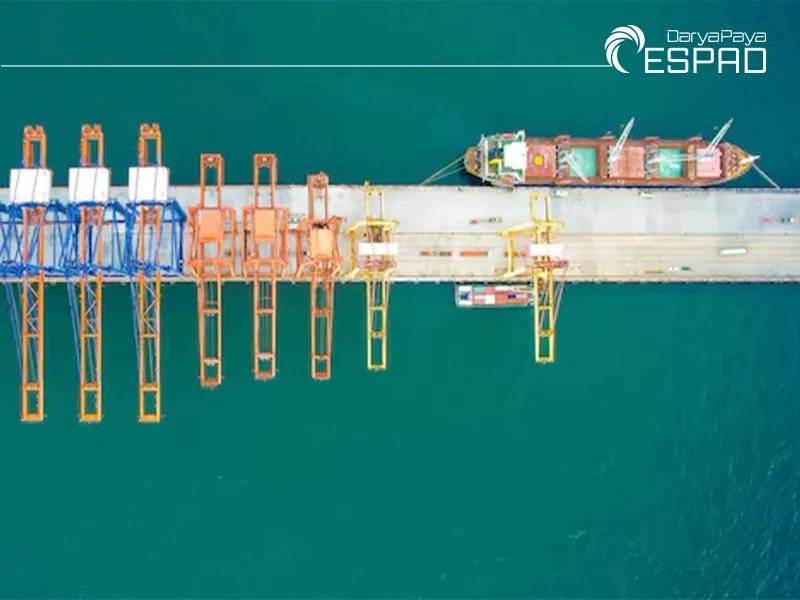
In international shipping, cross stuffing and transshipment are sometimes loosely used as if they were the same, but from an operational and documentary perspective, they differ in key aspects.
In Transshipment, the container itself remains sealed and intact. The sealed container is simply transferred from one vessel or carrier to another at an intermediate port. This is primarily a routing or network operation: the shipper and consignee details usually do not change, and the original Bill of Lading remains valid throughout the entire journey, unless a Switch B/L is explicitly requested for commercial reasons.
In Cross Stuffing, by contrast, the cargo is physically unloaded from one container and then reloaded into a different container (and potentially placed onto another vessel, service, or carrier). This is a more intrusive operation and is often deployed when the shipper’s details, origin, or actual consignee must be concealed, or when the transport route and documentation pattern need to be fundamentally restructured.
From a documentation standpoint:
- In transshipment, a new Bill of Lading is not automatically issued. A Switch B/L may be issued in specific cases, but the original B/L can remain valid for the full trip.
- In cross stuffing, a new Bill of Lading is almost always issued from the intermediate country, reflecting the new leg of the shipment. This process may take one or two days and may extend overall transit time.
In many cross stuffing operations, the new Bills of Lading can take the form of a Switch B/L in order to conceal the original shipper, consignee, or origin. Distinguishing between the Master B/L (issued by the ocean carrier) and the House B/L (issued by the freight forwarder or NVOCC) is operationally critical, as modifications to these documents may be intentionally made for sanction-related, commercial, or strategic reasons.
Advantages of Cross Stuffing
From an operational and strategic perspective, cross stuffing offers several key advantages:
- Maintaining continuity of trade and cargo flows under sanctions or regulatory restrictions
- Increasing flexibility in supply chain and network design
- Reducing dwell time at politically or operationally sensitive entry points
- Enabling customized routing and tailored transport solutions for each customer or trade lane
- Leveraging competitive freight rates and service offerings across multiple carriers and alliances
Operational Drawbacks and Risks of Cross Stuffing
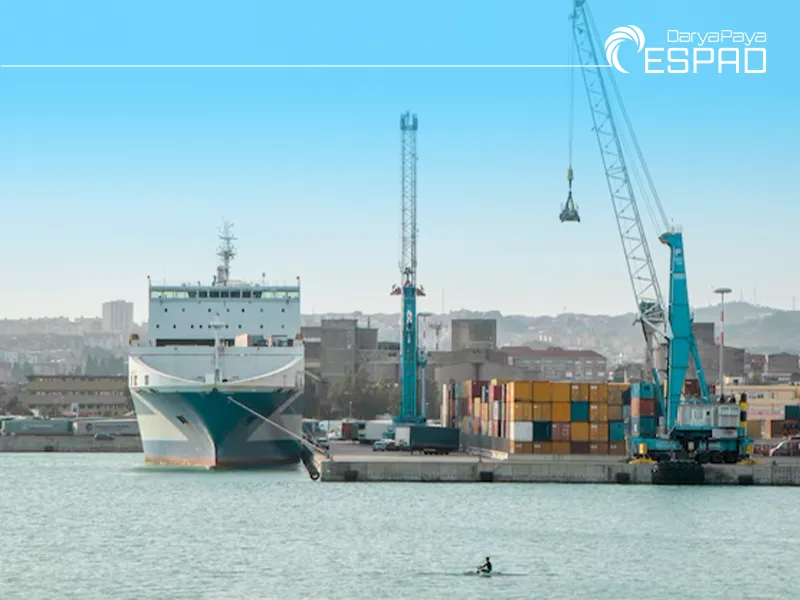
While cross stuffing enables trade continuity and enhances operational flexibility, its potential drawbacks and risks must be carefully assessed and managed:
-
Higher total logistics costs:
An additional operational leg is introduced: cargo is discharged, handled, stored, and restuffed, and an extra voyage segment is added. This leads to higher costs related to ocean freight, port charges, handling, storage, and customs or documentation fees.
-
Increased cargo damage risk:
Each additional handling step increases exposure to damage, loss, or misplacement, especially if the hub port lacks appropriate equipment, trained stevedores, or if cargo securing and stuffing processes are not rigorously controlled.
-
Risk of seizure, detention, or severe financial loss:
In sanction-sensitive trades, if the true destination, ownership, or Iranian nexus of the cargo is identified, the vessel may face detention, the cargo may be seized, or parties may be subject to penalties. This can translate into substantial financial losses and reputational risk for all stakeholders involved.
Reducing Cross Stuffing Risk by Choosing the Right Operational Partner
Overall, cross stuffing is a high-sensitivity, high-stakes operational process. Successful implementation depends on:
- Detailed pre-planning of routes and services
- Strong compliance and documentation control
- Robust risk management and contingency planning
- Cooperation with experienced and trustworthy logistics partners
Professional shipping and forwarding companies with proven experience in such trades are familiar with alternative routings, regulatory limitations, and the correct operational execution of cross stuffing. With access to specialized equipment (such as heavy-duty cranes, advanced cargo securing systems, and modern terminal facilities), they can significantly reduce operational risk and minimize the probability of cargo damage or delays.
Espad Darya, leveraging its operational experience and technical infrastructure, can act as a reliable strategic and operational partner in designing and executing cross stuffing solutions. For tailored advisory services and customized routing scenarios, you can contact their team of specialists.