What Is Demurrage and How Can Its Costs Be Reduced?
Traders and merchants engaged in international commerce must account for numerous operational variables to avoid unnecessary charges. One of the most common sources of additional costs for cargo owners is the delayed return of leased containers. When the container lessee fails to return the equipment within the contractually agreed timeframe, a penalty is imposed, commonly referred to as demurrage.
In addition to demurrage, delays in returning containers may also trigger other operational charges. Therefore, if you want your import or export operations to remain profitable rather than cost‑burdened, careful attention must be given to these factors. Given the financial significance of container delays and the often substantial fees involved, this article from the Espad Shipping Blog examines various types of delay penalties and explains their differences from detention and dispatch.
What Is Demurrage?
The term Demurrage arises when the contractual conditions of a transport agreement are not fulfilled. In simple terms, demurrage refers to the charge incurred for the idle time of a container or commercial vessel when it is not returned or utilized within the agreed timeframe.
Accordingly, the term denotes a penalty for the late return of a container or vessel beyond the stipulated deadline. It is important to note that many people mistakenly use the term detention interchangeably with demurrage, whereas the two concepts have distinct operational meanings.
Demurrage specifically applies when loading or unloading operations are not completed within the agreed laytime. Under such circumstances, compensation must be paid to the owner of the chartered vessel or container. Typically, shipping lines allocate a number of free days (Free Time) to importers and exporters to allow cargo to be moved in or out of port terminals.
Trading companies and importers commonly lease containers or even entire commercial vessels for a specified period to move their cargo. If the container is returned later than the agreed deadline, container demurrage charges will be imposed.
In containerized shipping, cargo owners and carriers agree on the container return timeframe, alongside a designated period known as Free Time. Once the free time period expires, the importer or exporter must return the container. Otherwise, daily demurrage charges will be applied.
It is important to understand that container demurrage is calculated on a daily basis, and the fee must be paid to the container owner or leasing line. The rental period, free time allowance, and delay penalties are typically defined within the shipping contract.
Beyond standard maritime freight charges, additional costs such as container demurrage can significantly impact the profitability of a trade transaction. Therefore, determining the optimal time for returning leased containers is crucial to maintaining cost efficiency in international trade operations.
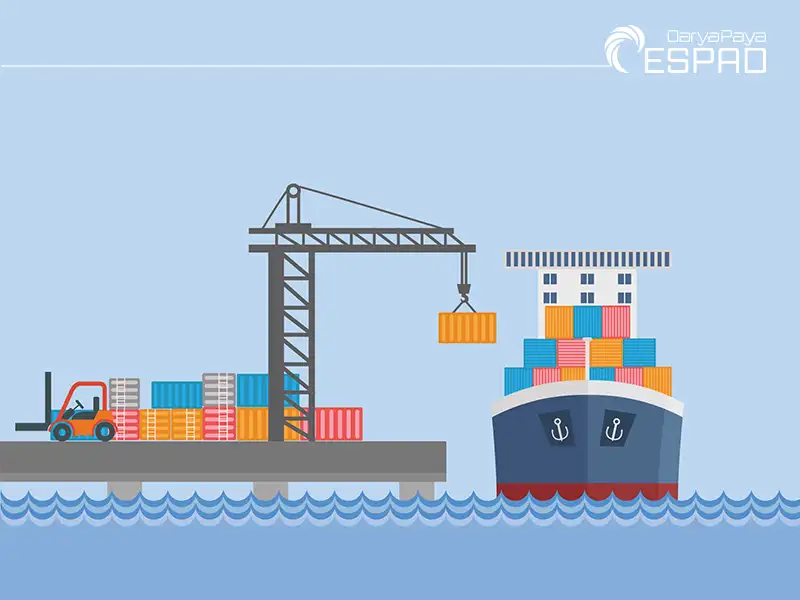
Demurrage for Importers
For import shipments, the demurrage period refers to the time between the container’s arrival at the port terminal and its release from the terminal.
If the container remains within the port terminal beyond the allocated free days, demurrage charges will be applied.
Demurrage for Exporters
For export shipments, the demurrage period refers to the time from when the container arrives at the port terminal until it is loaded onto the vessel.
If the container remains at the port terminal after the free time period has expired, demurrage charges will be incurred.
What Is Detention?
Detention refers to the charge imposed when a container is not returned to the shipping line within the agreed timeframe after it has been removed from the port terminal.
Demurrage and detention differ in the following ways:
- Demurrage: Applies when cargo unloading or customs clearance is delayed while the container remains inside the port or customs yard.
- Detention: Applies when the container has already exited the port or customs area but is not returned to the shipping line within the agreed period.
What Is Dispatch?
Dispatch (Despatch) occurs when cargo loading or unloading is completed before the expiration of the agreed free time. In operational terms, dispatch is the opposite of demurrage.
In such cases, according to the contractual agreement between the shipping company and the cargo owner, the shipping line may grant a financial incentive if operations are completed ahead of schedule. Typically, considering the agreed free time (commonly between 7 and 14 days), the carrier refunds a portion of the freight as a dispatch reward to the cargo owner or charterer.
Types of Demurrage in Transportation
Holding cargo inside containers prevents those containers from being redeployed by the carrier. As a result, the shipping company loses potential revenue-generating opportunities. It is important to note that carriers derive most of their revenue from cargo movement rather than demurrage charges. Consequently, they seek to return containers to operational circulation as quickly as possible.
To regulate delays, several forms of demurrage penalties are applied, including the following:
Vessel Demurrage
Vessel demurrage occurs when a commercial vessel remains idle longer than the laytime specified in the charter party or transport contract.
The financial implications of vessel delays can be substantial, as commercial vessels generate revenue primarily through cargo transportation. Every additional day a vessel remains idle outside its operational schedule results in significant financial losses for shipping companies.
Container Demurrage
Container demurrage occurs when a leased container is not returned to the carrier or container owner within the agreed timeframe.
In such situations, the cargo owner must pay container demurrage charges. Additionally, the risk of container damage or equipment deterioration may increase. At the same time, limited access to empty containers for other shippers can negatively affect the operational efficiency and revenue of the carrier.
Rail Demurrage
Rail demurrage applies when freight railcars carrying cargo are not unloaded within the agreed timeframe.
In these situations, clearance and delay costs can become significant because each day of delay prevents the rail wagons from returning to the rail transport cycle, potentially causing operational losses for rail operators.
Terminal Demurrage
Terminal demurrage occurs when cargo is not removed from the terminal within the agreed timeframe.
This type of delay can generate substantial costs for businesses because prolonged cargo dwell time reduces terminal efficiency and operational flexibility. As a result, such penalties are imposed to encourage cargo owners to remove shipments from the terminal as quickly as possible.
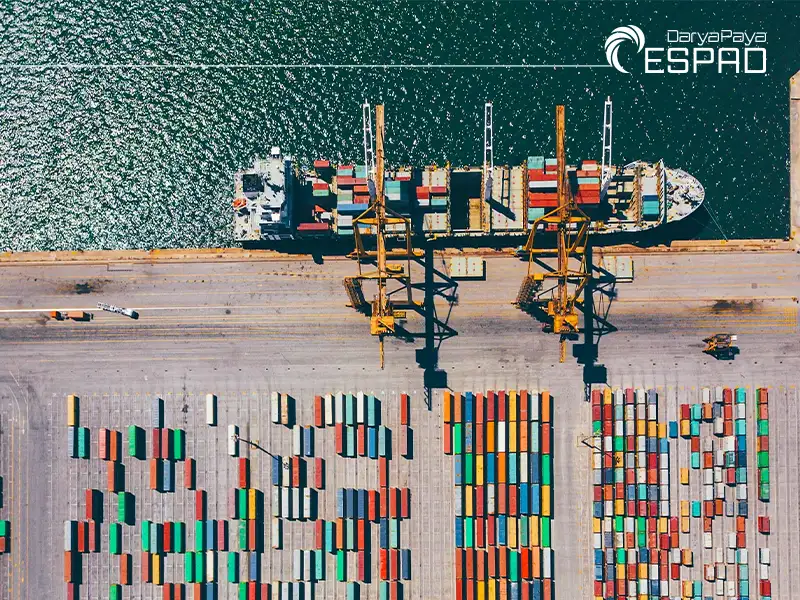
Factors Affecting Demurrage Costs
In addition to the allocated free time period, several other factors influence demurrage charges.
Port Congestion
Port congestion increases the time required for loading and unloading containers, which may lead to delays in container return.
Customs Issues
Delays in customs clearance procedures—particularly when customs offices are experiencing high workloads—can postpone container release.
Loading or Unloading Delays
When container loading or unloading operations are not completed on time, container return may be delayed.
Allowed Period or Free Time
Cargo owners and traders are typically granted a specific timeframe for returning containers, which is stipulated in the shipping contract. This period depends on the agreement between the cargo owner and the shipping line but generally ranges between 7 and 14 days.
Once the free time period expires, the shipping line will begin charging demurrage fees.
Shipping lines typically allocate two types of free time, as follows:
Free Time at Origin
Free time at origin refers to the period from when an empty container is released from the container yard to the lessee until the container is returned fully loaded.
Free Time at Destination
Free time at destination refers to the period from when the loaded container is delivered to the consignee until it is unloaded and returned empty to the container yard.
When concluding a transport contract with a shipping line or container leasing company, it is essential to clearly define free time, demurrage charges, and dispatch conditions before signing the agreement.
What Are Demurrage and Detention Rates?
Demurrage and detention rates depend on several factors, including:
- Shipping line
- Container type and size
- Duration of delay
- Destination country
- Customs regulations
Each shipping line may apply its own demurrage tariff. Therefore, it is advisable to determine the daily delay penalty rate prior to concluding a transport contract.
Another critical factor in calculating demurrage and detention is the length of delay, as longer delays inevitably result in higher charges.

Typical Demurrage and Detention Rates
Typical daily delay penalties are generally as follows:
- 20‑foot container: approximately 30to30 to 100 per day
- 40‑foot container: approximately 50to50 to 150 per day
- Reefer container: typically higher, ranging between 100and100 and 300 per day
How to Avoid Demurrage Charges
To reduce costs and prevent demurrage charges, the following strategies are recommended:
- Develop a precise plan for cargo clearance from the port.
- Prepare all customs documentation in advance to avoid clearance delays.
- Carefully negotiate the free time period when concluding the shipping contract.
- Use alternative warehouses to unload cargo quickly and return containers on time.
- Ensure cargo is ready at the port to avoid loading delays.
- Select less congested ports and routes for imports and exports.
- Work with experienced logistics and shipping companies for cargo transportation.
Container Demurrage and Associated Costs
International freight transportation, export, and import operations are inherently complex. Even minor operational errors can delay cargo delivery and lead to additional costs.
In this article, we reviewed comprehensive information regarding demurrage charges, detention fees, and dispatch incentives. As discussed, avoiding such expenses requires timely unloading of containers and their prompt return to the shipping line.
Since the operational capabilities and infrastructure of a shipping company significantly influence the timely delivery of cargo, partnering with a reliable carrier is essential. For efficient and reliable international shipping services, you can collaborate with Espad Shipping to support your global trade operations.